


In Italy, beer has often played the role of the eternal second, somewhat in the shadow of wine. But one name has made its way among glasses and toasts for almost two centuries, winning a place of honour: Birra Peroni. Today, it is one of the most recognisable symbols of “Made in Italy” in the world. It all began in a small town in the North of Italy, and has traversed history and generations, bringing with it a legacy of quality and passion, able to unite Italians and fascinate beer lovers.
An idea grew with Italy
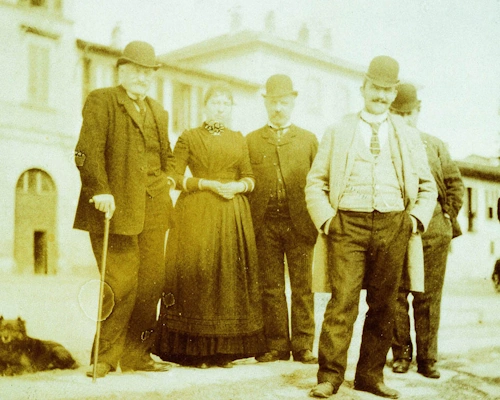
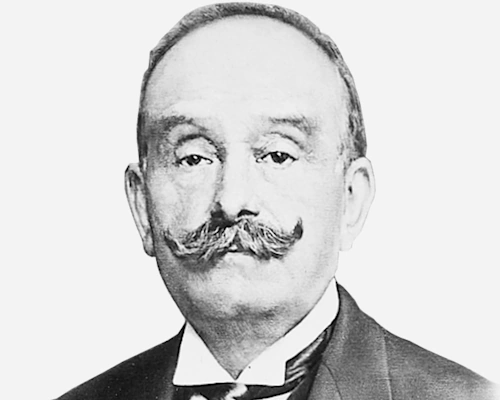
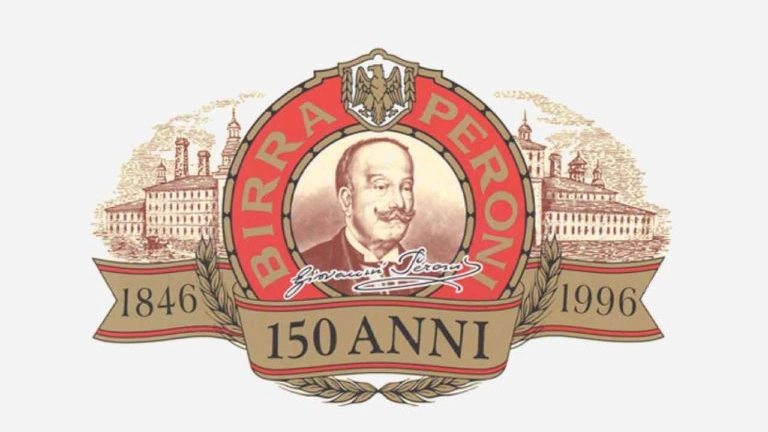
It all began in 1846, when Francesco Peroni founded the first brewery in Vigevano, Lombardy, with the idea of producing a beer that reflected Italian taste. His idea took shape in a small brewery, where a light, drinkable, sincere beer was born. A beer that could be drunk under the sun, with a slice of bread and salami, or in the evening at dinner. In a short time, Peroni’s unique and refreshing flavour won over more and more fans, leading the brand to grow and open new plants.
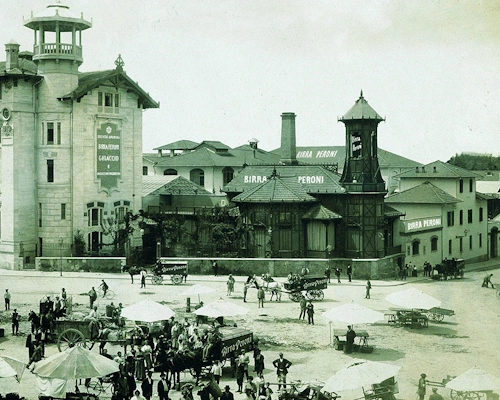
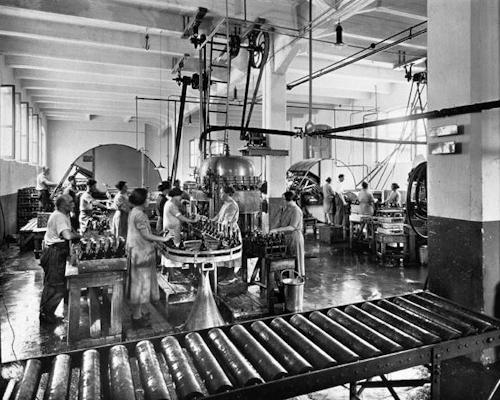
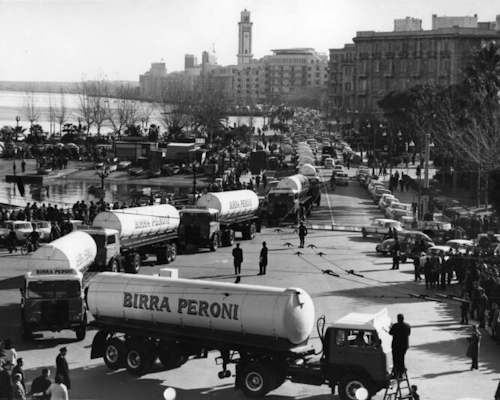
In 1864, Peroni opened a factory in Rome near Piazza di Spagna as a springboard to the central Italian market. From here, expansion southward continued with the opening of the Bari factory in 1924, one of the company’s most important plants, with a production capacity of 25,000 hectolitres of beer per year.
An unstoppable expansion
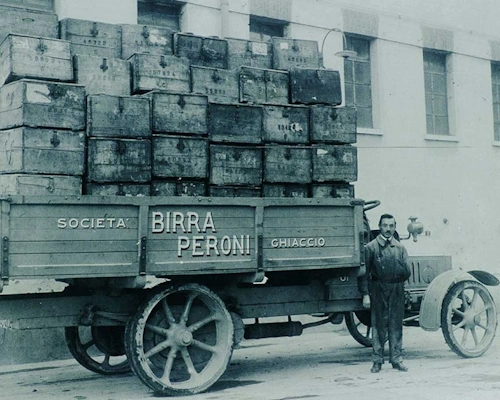
The company’s growth continued in the years before the war by acquiring several small and medium-sized factories. The brand also entered foreign markets and landed in the United States, Africa, Albania and the islands of the Peloponnese. The economic boom years saw Peroni play a leading role, with a widespread distribution network and numerous bottling plants.
In 1963, the company launched a beer destined to become iconic: the Nastro Azzurro, a premium lager with a drier, more refined taste. The name was inspired by the award given to the fastest ship to cross the Atlantic, which the Italian liner Rex won in 1933.
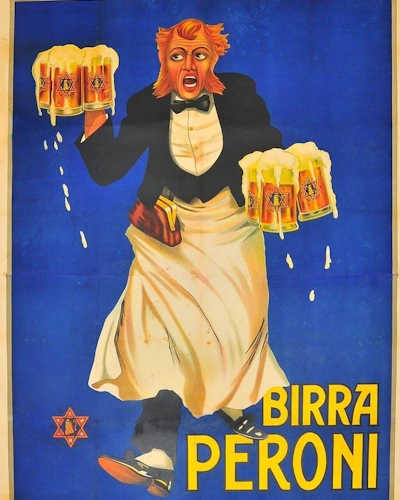


And then there is communication: iconic commercials, such as the one with the classic slogan “Chiamami Peroni, sarò la tua birra” (Call me Peroni, I’ll be your beer), evocative images and a strong link with cinema and pop culture have contributed to making Peroni a symbol of Italian style around the world.
Behind the scenes: stories and curiosities of an icon
It is not uncommon to find a bottle of Peroni in scenes from famous Italian films or to hear it mentioned in conversations in bars and squares. The name has become synonymous with moments of sharing and celebration. In recent years, the historic beer has also embraced sustainability, adopting greener production practices and recyclable packaging solutions.


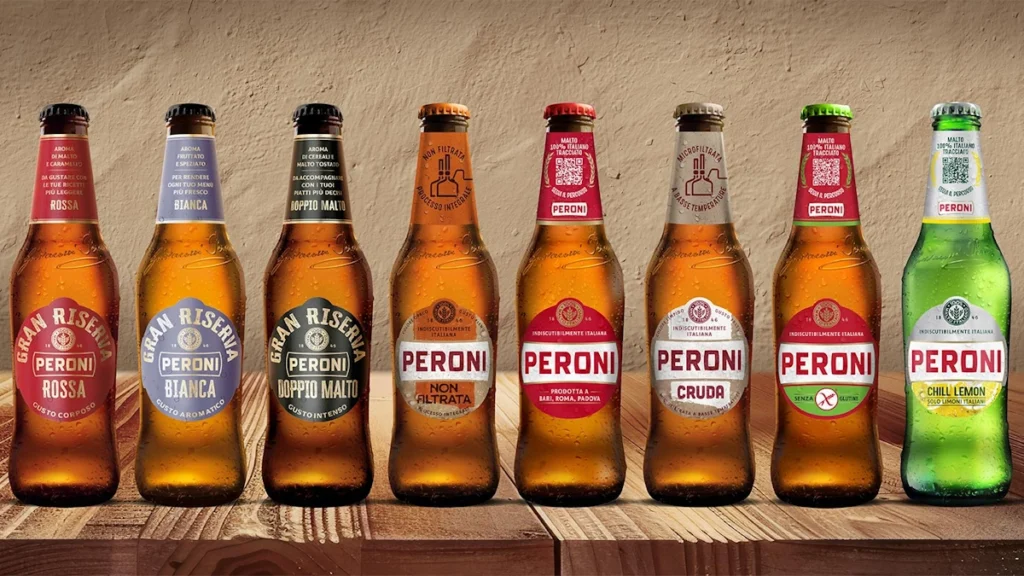
In addition to the classic Peroni, the brand has expanded its range with variants designed for different tastes and needs such as Peroni Gran Riserva, a premium line, dedicated to the most discerning palates, Peroni Cruda, an unpasteurised lager microfiltered at low temperatures to preserve the taste, and Peroni Senza Glutine, which, like the traditional Peroni, has a perfect balance of sweet and bitter, but without gluten.
A family of historic beers
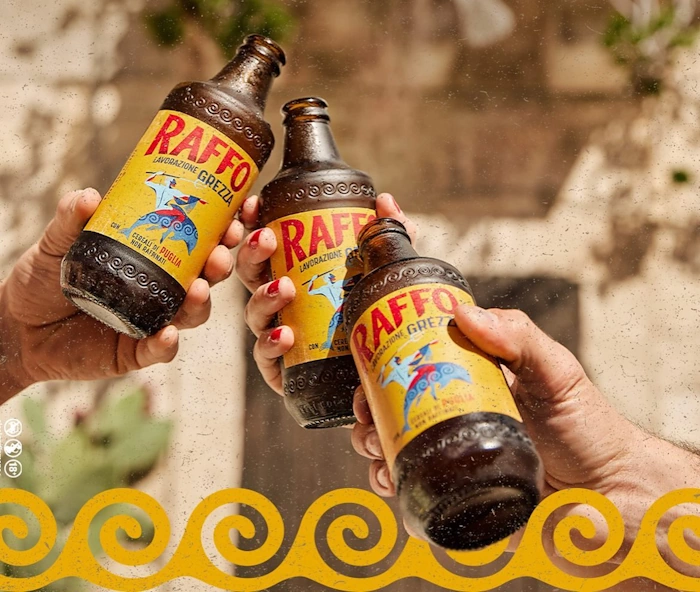
The Peroni world is also rich in local stories, ancient traditions and flavours linked to territories. Just think of Wührer, Itala Pilsen, and Raffo, three beers, three cities, three different ways of telling Italy through a glass.
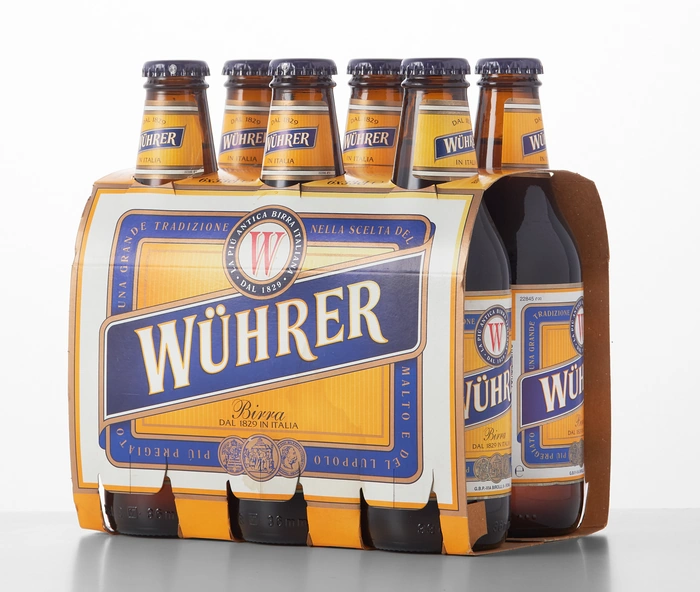

Wührer is the oldest beer produced in Italy. Founded in Brescia as far back as 1829 by Franz Xaver Wührer, a master brewer of Austrian origin, it was born at a time when beer was an elite and rare product destined for a few connoisseurs. Then, it established itself as a popular lager, genuine and straightforward, designed for the everyday table.
Itala Pilsen and Raffo: same year of birth, 1919, different cities and regions. Itala Pilsen, founded in Padua by Arrigo Olivieri, immediately stood out for its style inspired by Central European Pilsners, but with a clear Italian soul. Its recipe has remained largely faithful to its origins, testifying to an identity that endures over time.
Going south, we find a beer that smells of the sea: Birra Raffo. It was Vitantonio Raffo who started the brewery in Taranto and created a beer that has become the city’s identity symbol. Linked to the working class, Raffo is the beer of summer family lunches, games watched in a bar, and sunset toasts on the seafront.
Sustainability and Innovation
In recent years, Birra Peroni has invested heavily in sustainable production practices: using 100% Italian malt, saving water, reducing emissions, and supporting local agricultural supply chains. In addition, 2018 saw the birth of Campus Peroni, an exchange project between academia, research and production, oriented towards promoting and disseminating the culture of quality and sustainability in agriculture and cereals.
Looking forward, with roots firmly in the past
Today, Peroni is part of the Asahi Europe & International group, but firmly retains its Italian roots. With an annual production of more than 6.5 million hectolitres of beer, the company employs more than 800 people among offices, sales force, three plants (Bari, Rome, Padua) and the malting plant in Pomezia.
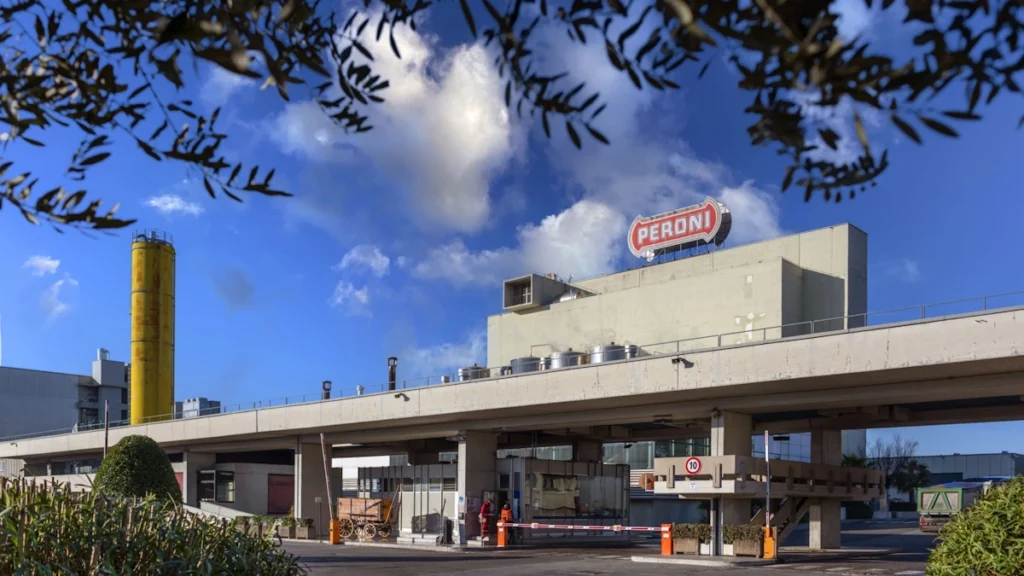
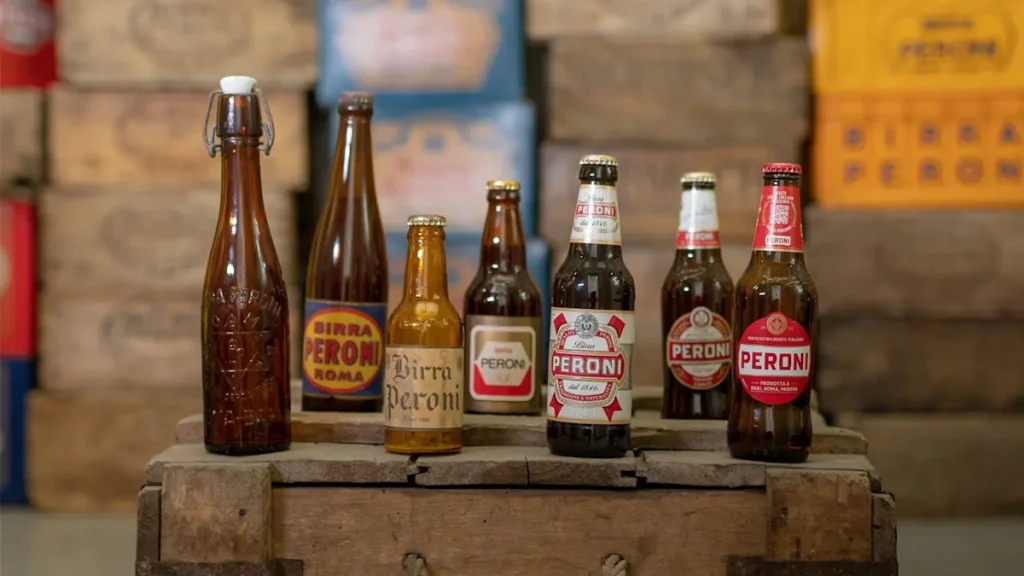
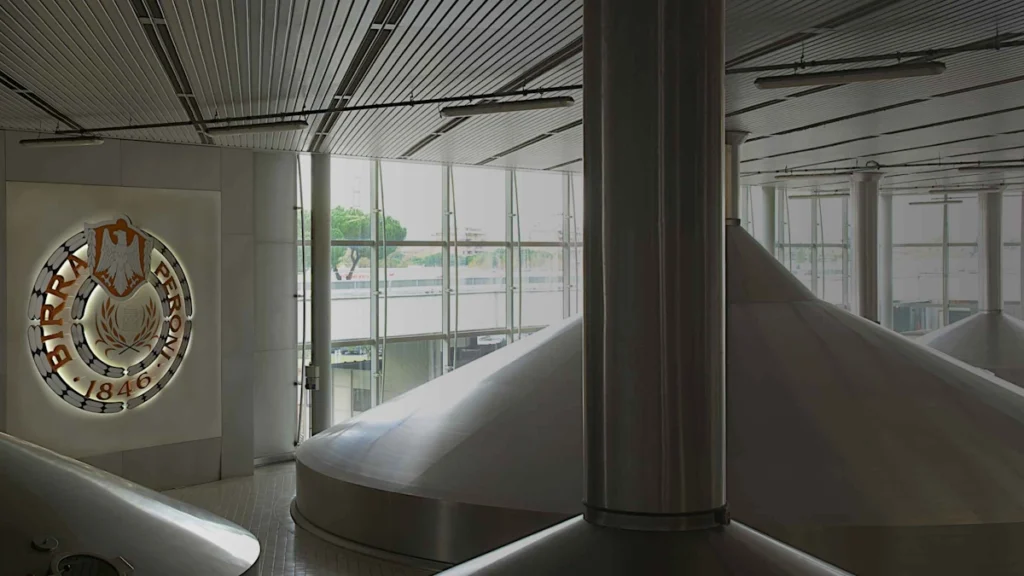
From mid-nineteenth-century Vigevano to the shelves of international supermarkets, Birra Peroni has travelled through monarchies, wars, economic booms, and cultural revolutions. It has grown with Italy and chronicled its evolution, sip after sip. It continues to be one of the most loved and recognised beers in the country and is appreciated beyond national borders, taking a piece of our tradition with it wherever it is poured.
To drink a Peroni today is also to toast to a history spanning almost two centuries — a story of intuition, generational transitions, resilience, and love of authentic taste.