
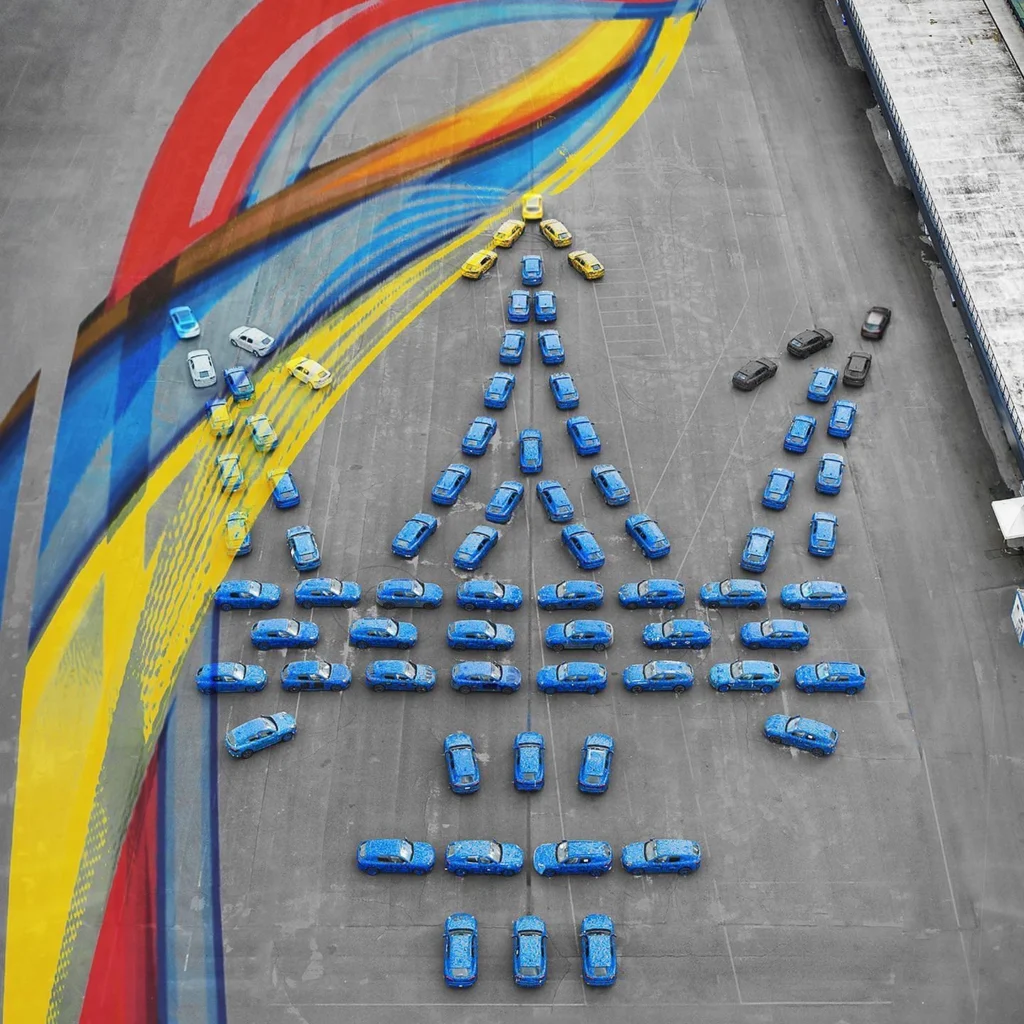

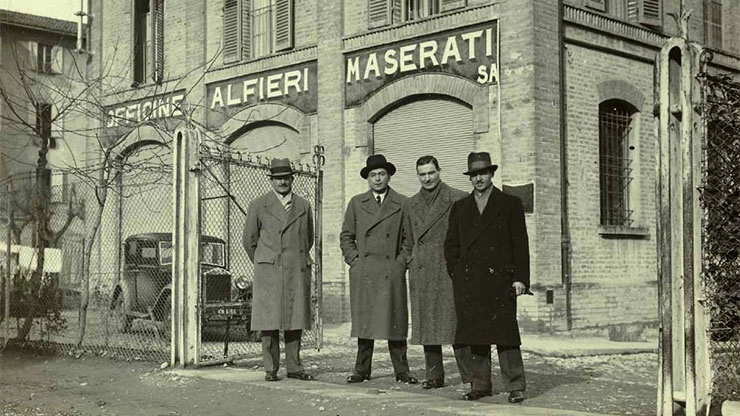
There are stories born of passion, and then there are legends like that of Maserati, a marque that has embodied the best of Made in Italy engineering and style for over a century. It was 1 December 1914 when four brothers – Alfieri, Ettore, Ernesto and Bindo – with a passion for speed and mechanics, gave life to a dream and founded the Società Anonima Officine Alfieri Maserati in Bologna. Initially, the workshop dealt with preparing and building engines for racing cars, but it would soon become synonymous with excellence and prestige.
1926: the turning point
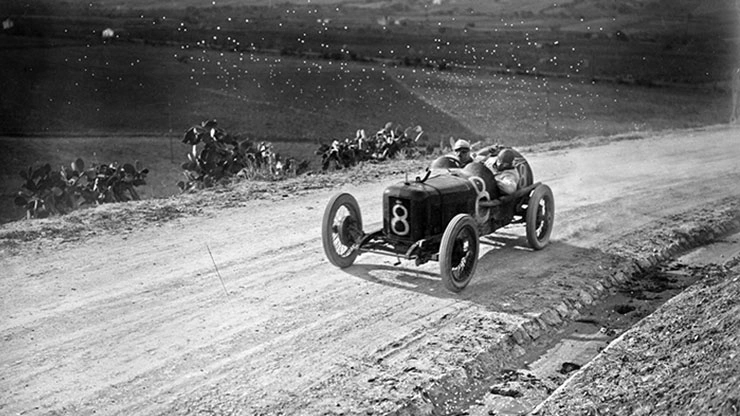
After a long planning period, Maserati’s first racing car, the Tipo 26, made its debut in 1926. It participated in the prestigious Targa Florio and finished ninth overall. It was also the first car to sport the famous Trident, a logo designed by Mario Maserati, the only brother with artistic inclinations, inspired by the statue of Neptune in Piazza Maggiore in Bologna, the god of the seas.


Over time, the logo has undergone only slight modifications, remaining faithful to its original essence. The first, presented in 1926, depicted a red Trident on a white and blue background, the symbolic colours of Bologna. Over the years, the design has evolved to reflect the brand’s elegance and modernity, but the beating heart has remained the same: a tradition of excellence that spans the ages.
The 1930s between joys and sorrows
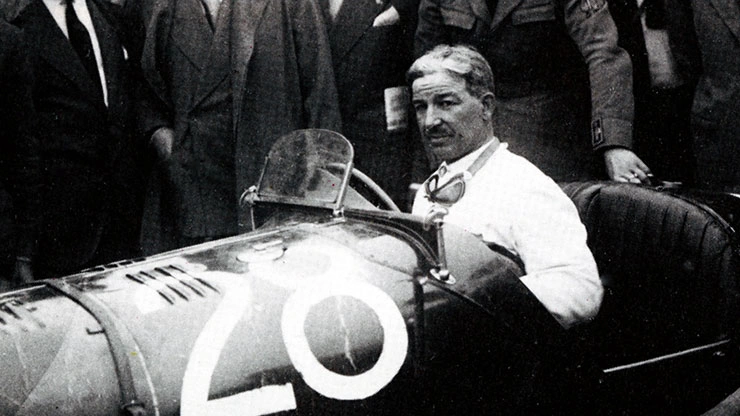
The 1930s were a period of glory, with Maseratis dominating competition. In 1933, Maserati hired Tazio Nuvolari, who won the Belgian Grand Prix, the Nice Grand Prix and the Tourist Trophy driving the 8CM single-seater. Towards the end of the decade, the car manufacturer won other prestigious victories, including the Targa Florio four times and the Indianapolis 500 twice, in 1939 and 1940.
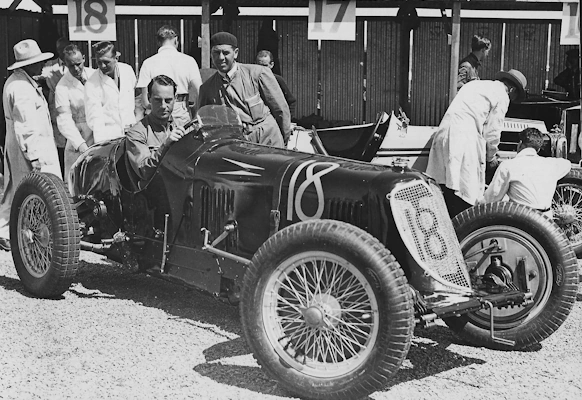
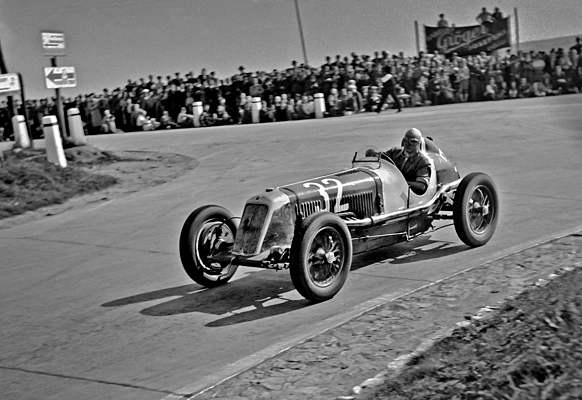
Despite its many successes, the period was marked by difficulties, including the death of Alfieri Maserati in 1932, and financial problems that in 1937 led the brothers to sell the company to entrepreneur Adolfo Orsi, who moved the headquarters to Modena, where it is still located today.
From tracks to history
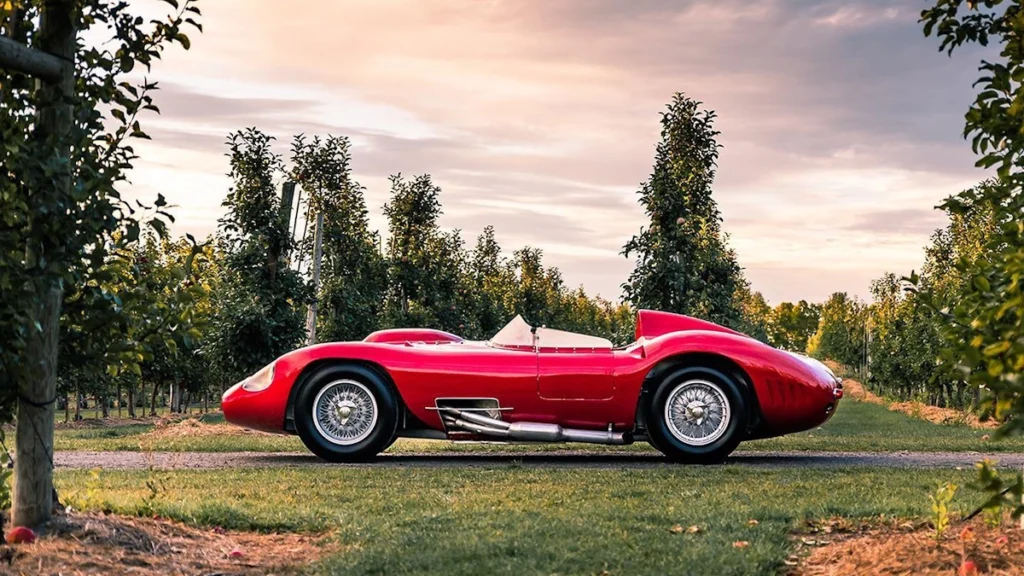
The company’s sporting soul established itself in the 1950s thanks to the Maserati 250F, an extraordinary single-seater that enabled Juan Manuel Fangio to win the Formula 1 World Championship in 1957. The Nürburgring Grand Prix of that year has gone down in history: after a pit stop that lost him almost a minute, Fangio made up ground with a series of record laps, overtaking the Ferraris of Mike Hawthorn and Peter Collins for a legendary victory.
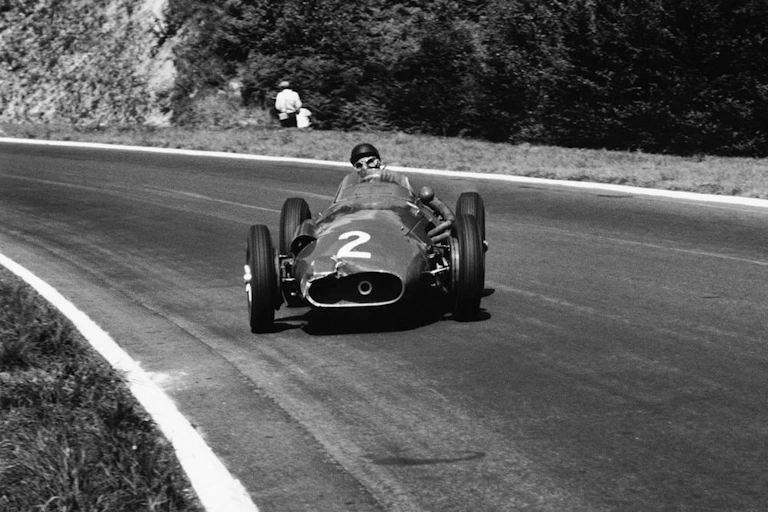
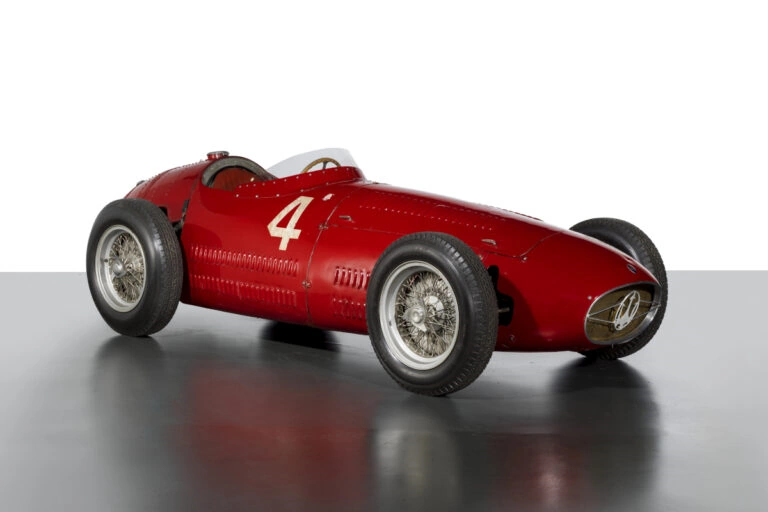
After this historic victory, the company decided to abandon racing to concentrate on the production of luxury sports cars. The 2000s marked the company’s return to racing, with the extraordinary MC12, which excelled in the FIA GT Championship between 2004 and 2010, collecting titles and successes.
Today, the Trident is back on the tracks with Maserati MSG Racing in Formula E, embracing electrification without sacrificing performance. Formula E is not just a sporting challenge, but a test bed for the technological innovations that will define future mobility.
Iconic models: from past to future
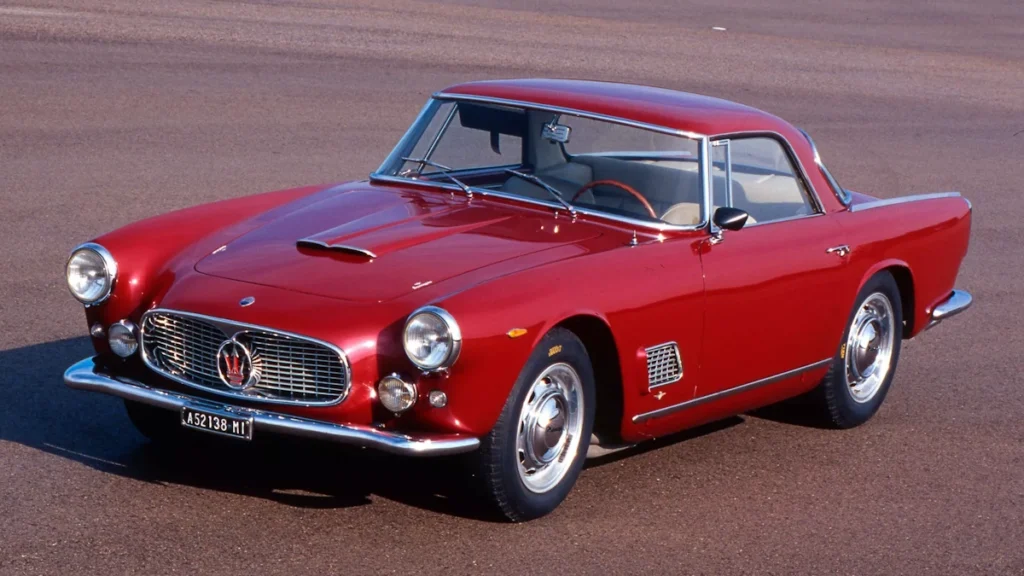
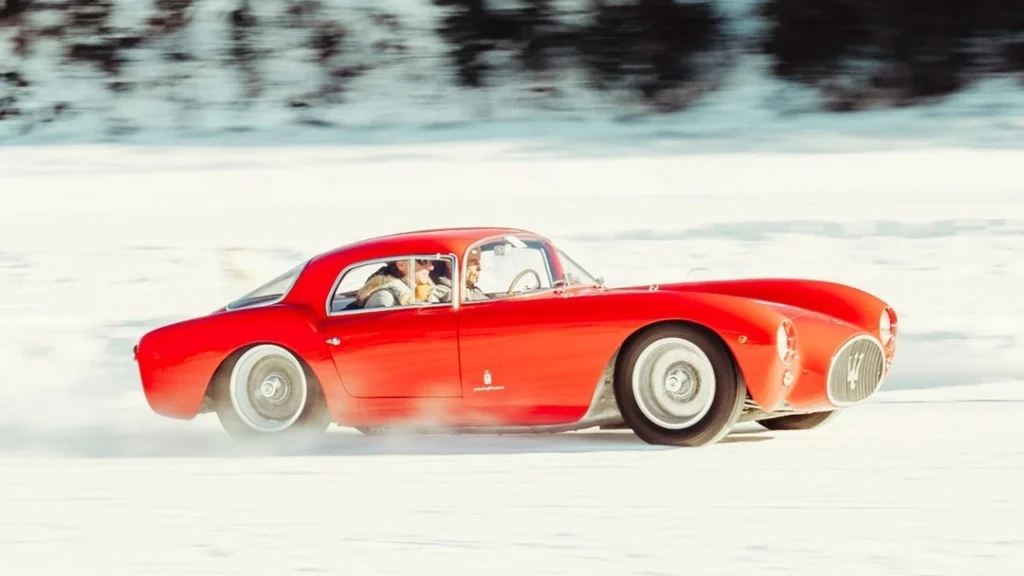
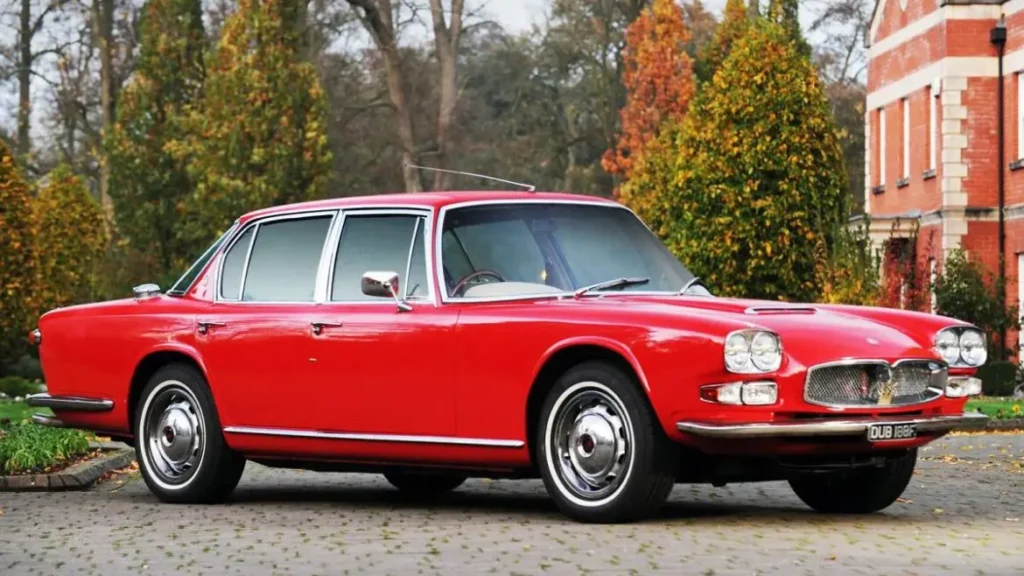
Throughout its history, Maserati has created some of the most fascinating cars representing Made in Italy excellence, starting with the 3500 GT that marked the company’s transition from a racing car manufacturer to a grand touring brand in 1957. The 1963 Quattroporte was the world’s first high-performance luxury sports saloon, and in 1967, the Ghibli was released, combining high performance with Giorgetto Giugiaro’s innovative design. In the 1970s, it was the turn of other revolutionary models, such as the Bora, the Merak and the Khamsin, an evolution of the Ghibli.
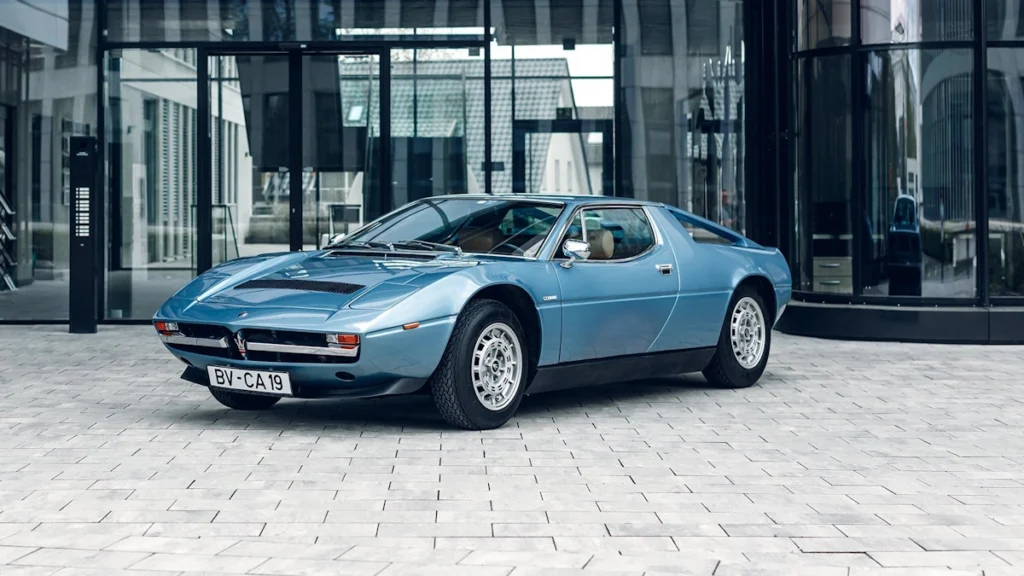
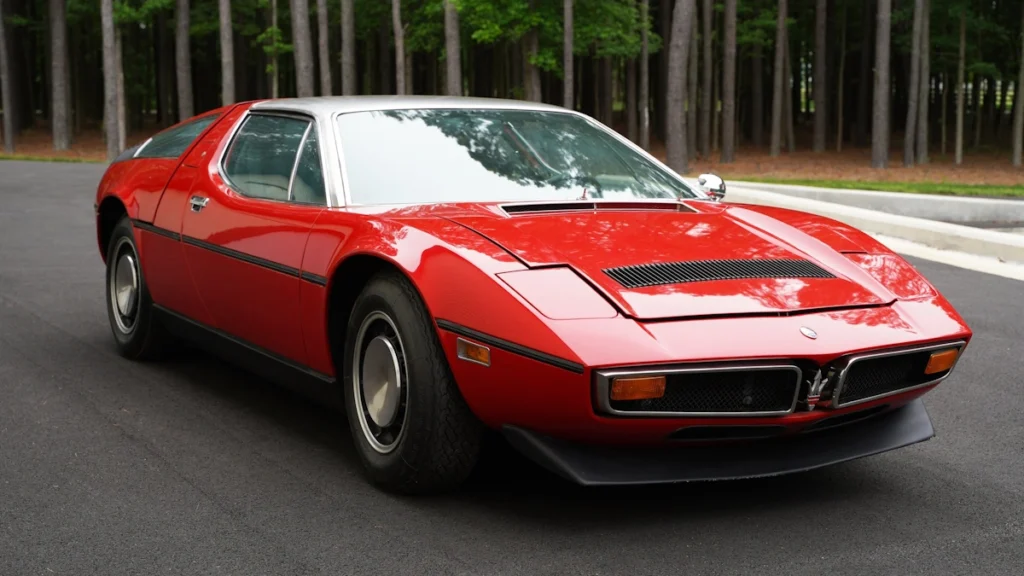
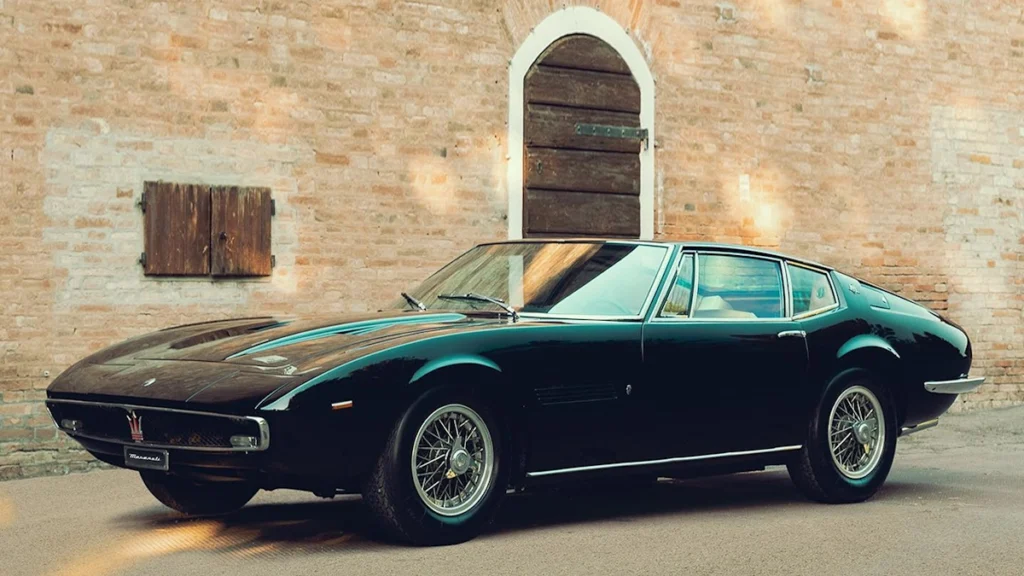
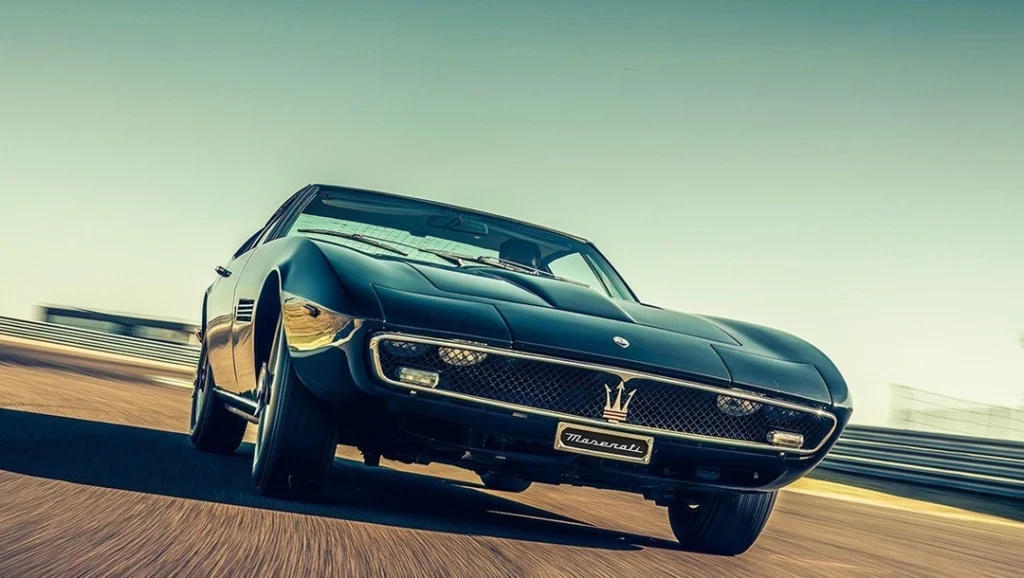
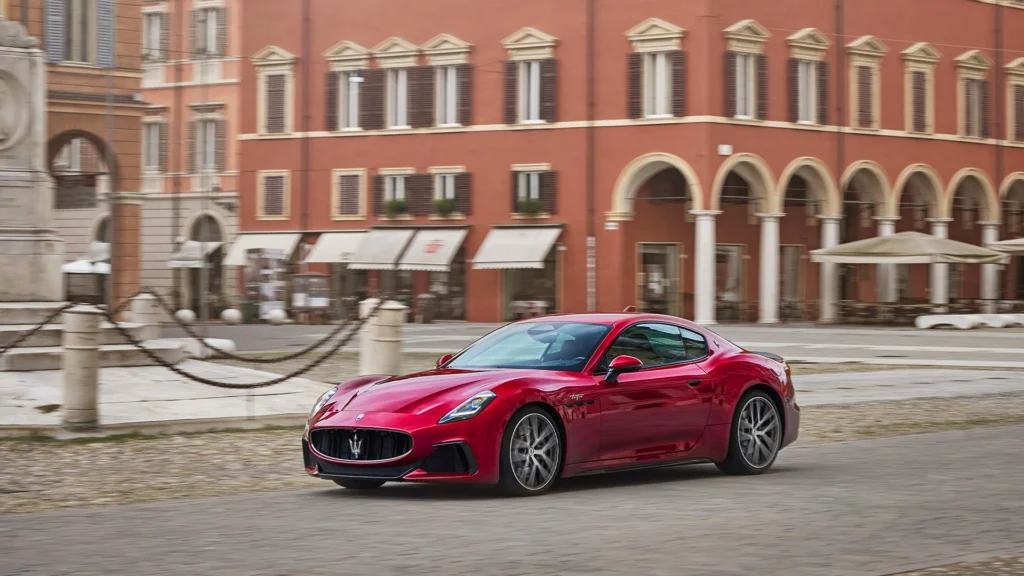
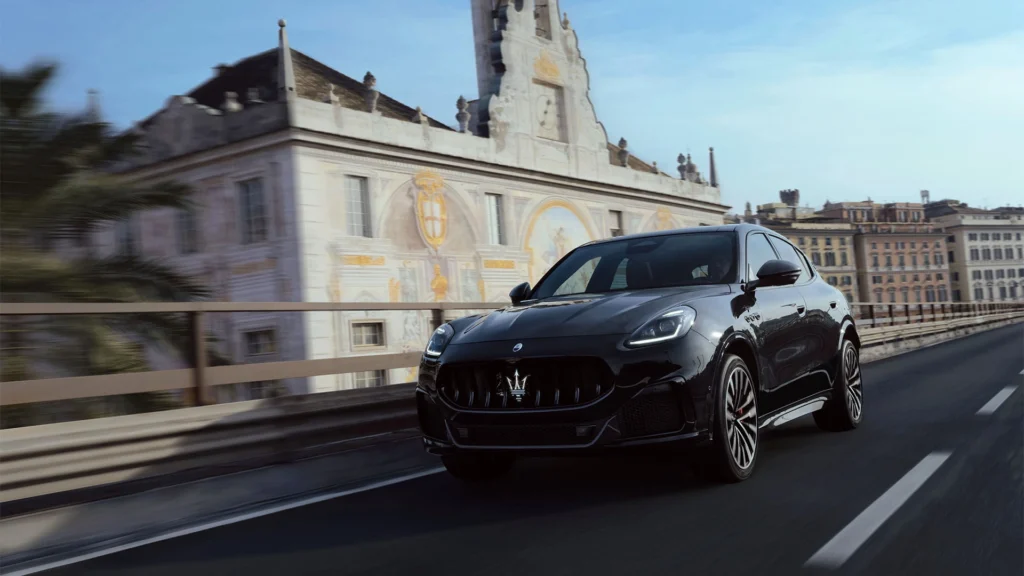
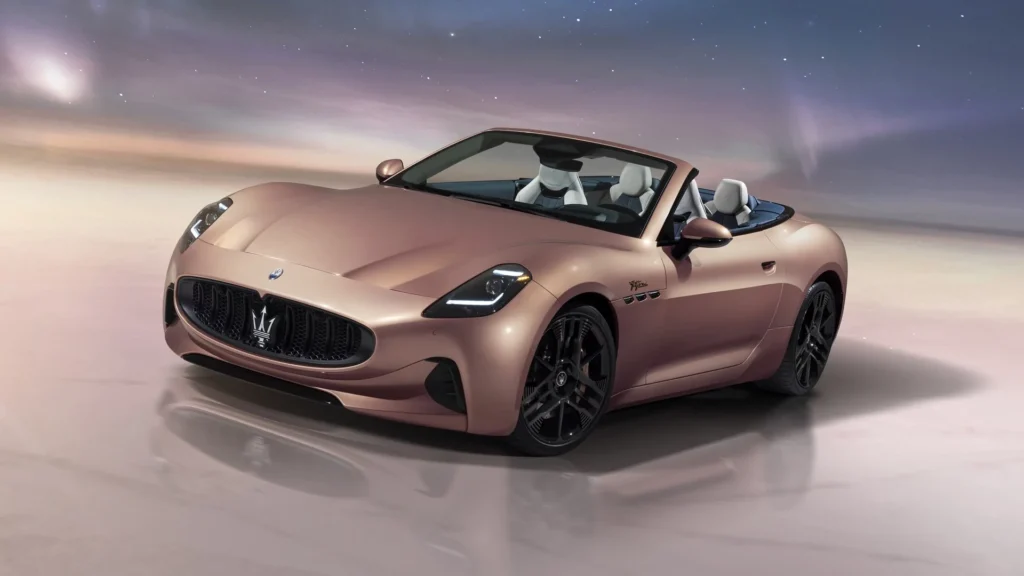
Maserati’s current range includes Grecale, the “exceptional everyday” SUV, GranTurismo, a car with refined styling and a strong personality, and GranCabrio, the Trident’s new cabriolet. All models are characterised by the use of top-quality materials and exceptional technical solutions.
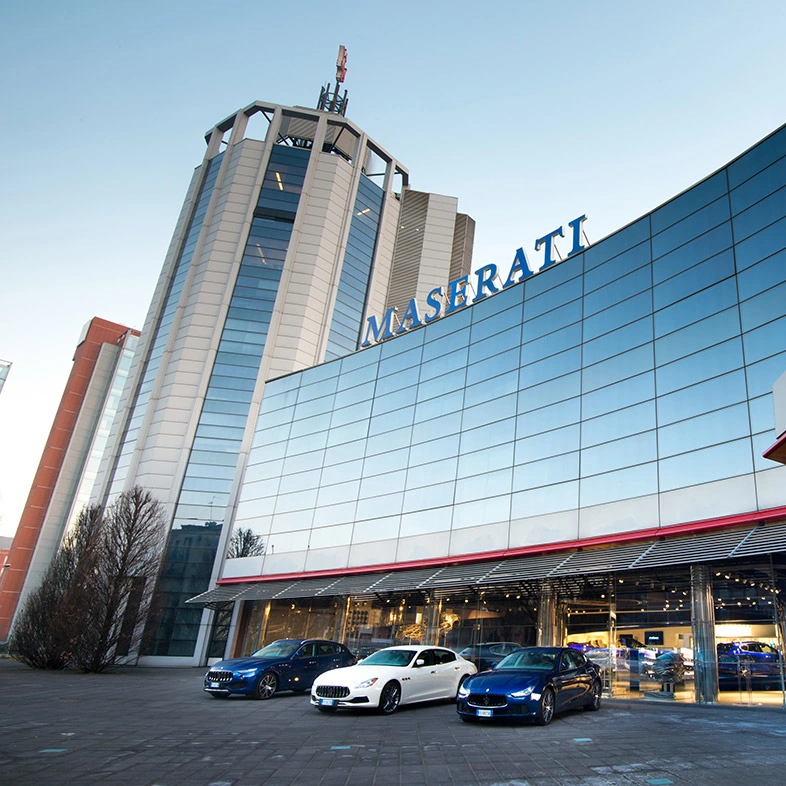
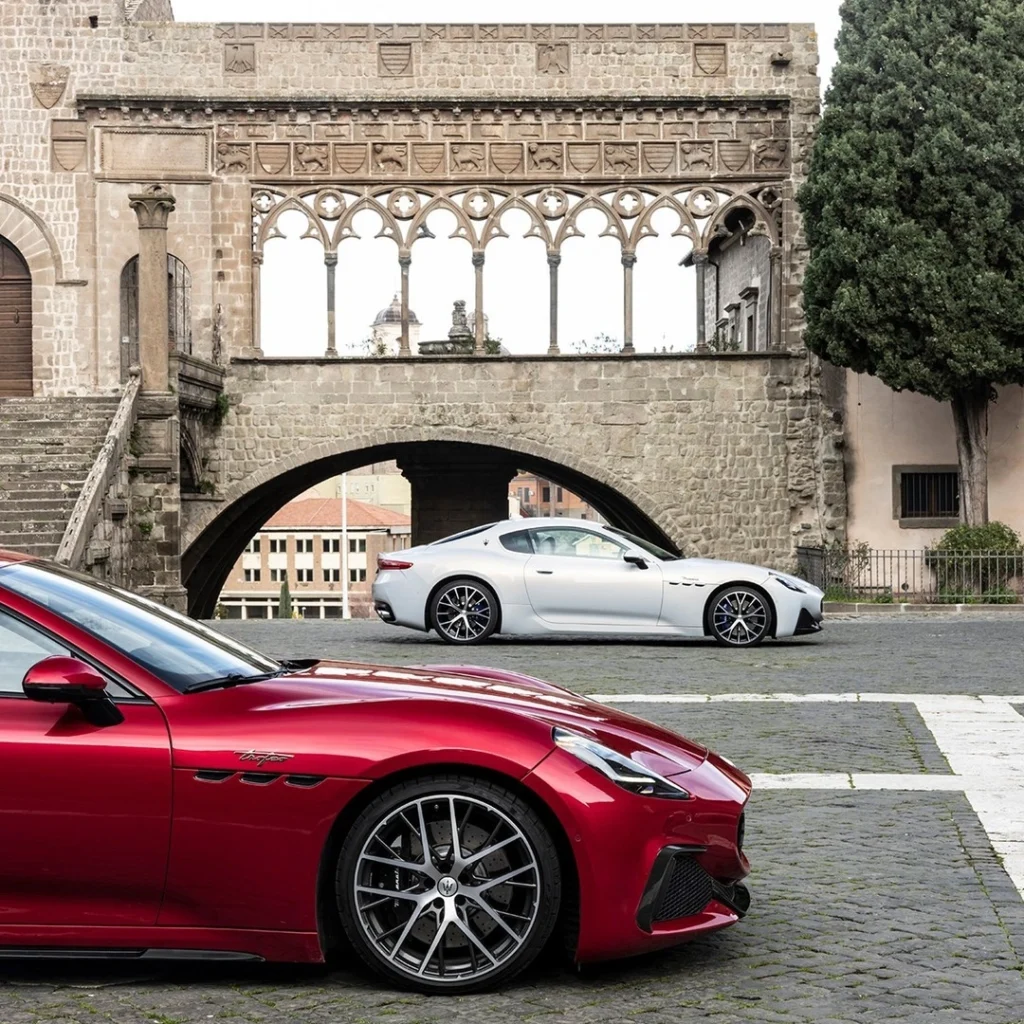
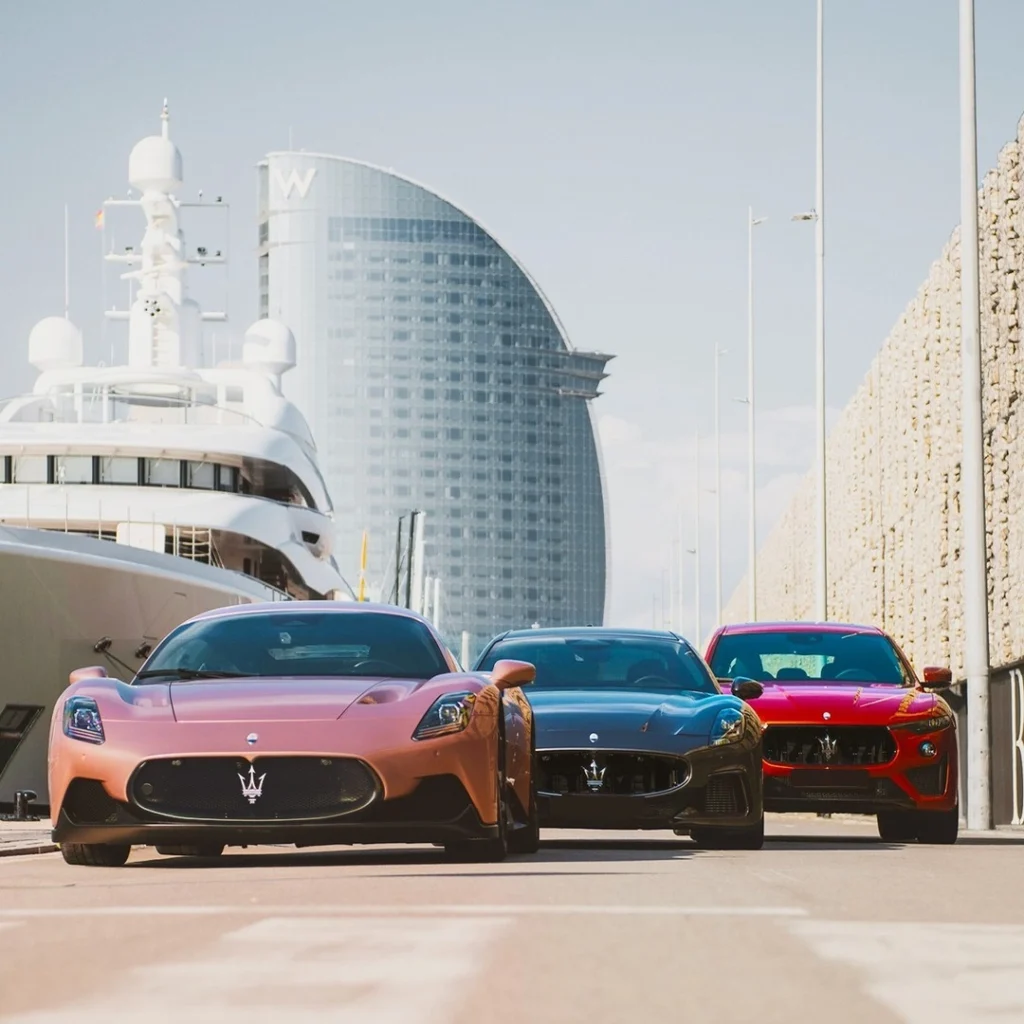
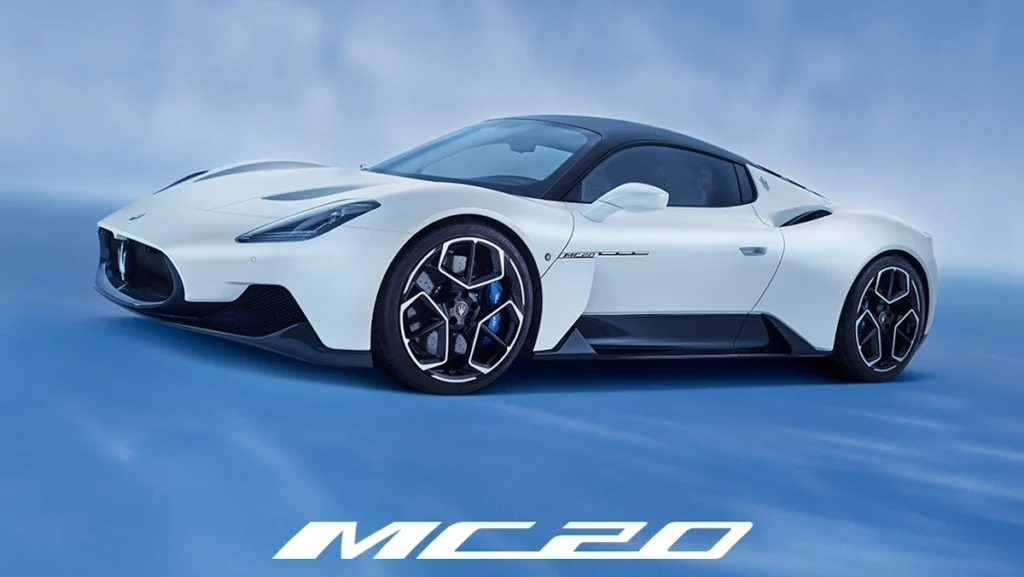
Looking forward, Maserati has also taken a technological leap forward with the MC20, a supercar that marks the brand’s return to high-performance car production. At its heart is the twin-turbocharged Neptune V6, an engine developed entirely in-house and inspired by Formula 1 technology.
Turbulent years
The 1980s were a turbulent period, with several changes of ownership. In 1993, Maserati was bought by Fiat, which facilitated its relaunch. Four years later, Fiat-controlled Ferrari took control of Maserati and invested in modernising the factory and developing new models. Back under the direct control of Fiat in 2005, Maserati saw a new phase of growth. Models such as the Quattroporte, GranTurismo and Levante brought the brand global success.
Today, part of the Stellantis Group, Maserati is headquartered in Modena and has plants in Grugliasco and Mirafiori. In 2023, it recorded sales of around €2.3 billion, continuing to redefine the Italian sports car concept in terms of design, performance, and comfort.
A future of innovation and sustainability
Maserati looks to the future with a strong commitment to sustainability, aiming for total electrification by 2030. The Folgore range represents the first step, with 100% electric models that maintain the Trident’s sporty DNA.
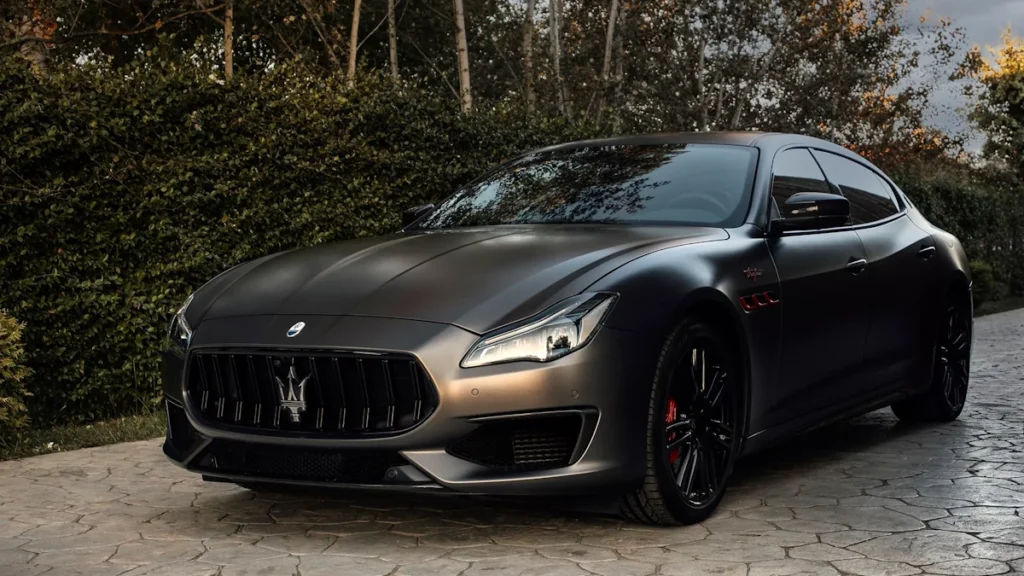
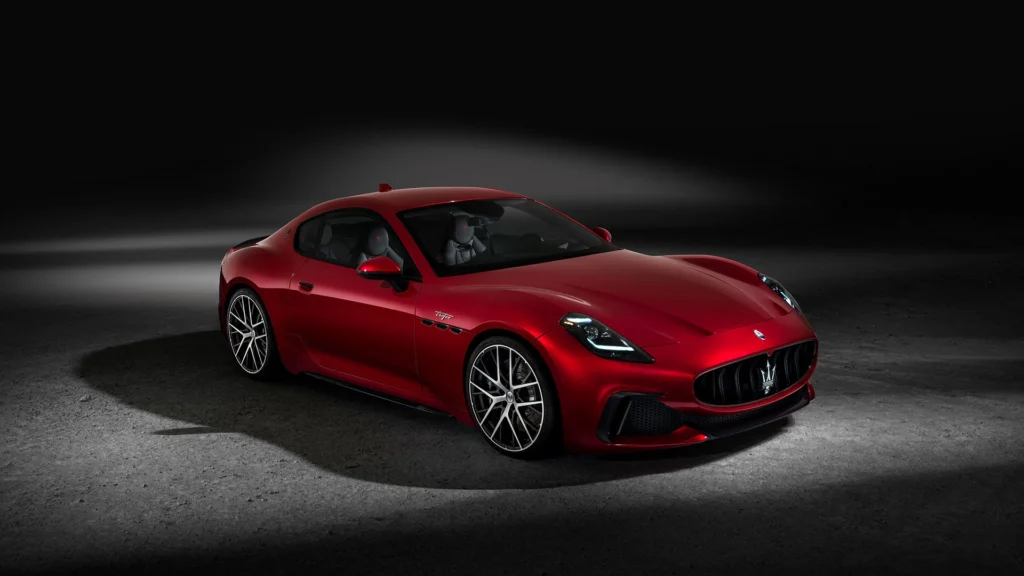
Production is also becoming more sustainable, with plants adopting environmentally friendly practices, from the use of renewable energy to the reuse of resources. Trident is not only synonymous with luxury and speed, but also with a concrete commitment to a more responsible tomorrow.
Maserati continues to reinvent itself, staying true to its vocation: creating cars that excite. With an eye on the future, the Trident never ceases to inspire, transforming every challenge into a new opportunity to write the next page of its legend.
Congratulations to those who create iconic cars and bring Made in Italy to the world!
Discover other extraordinary companies in Italian motoring.