

If there’s one brand that immediately conjures images of snow, mountains, and winter sports, it’s undoubtedly Colmar. A symbol of quality, innovation, and Italian style, Colmar is now one of the most recognized brands in the sportswear and lifestyle sector, especially for outerwear and skiwear. Its history is a perfect example of how an Italian family business has transformed into an international brand while remaining firmly rooted in Made in Italy.
Over a century of history
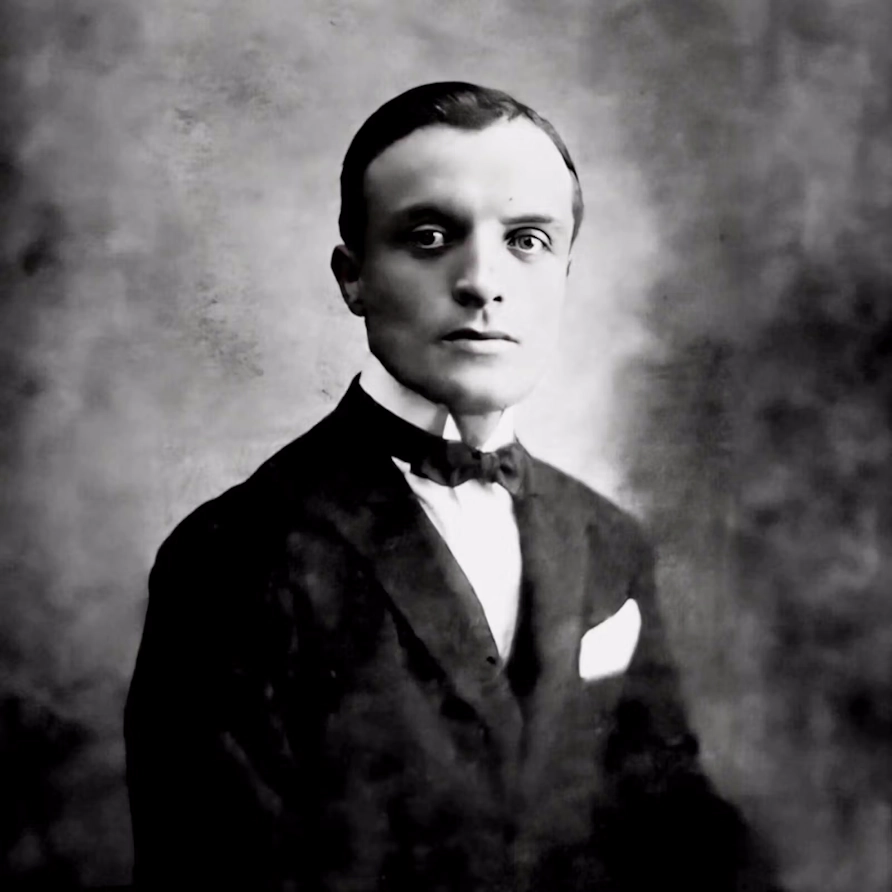
Founded by Mario Colombo, the company was established in Monza in 1923. The name derives from the first letters of the founder’s surname and first name, a simple choice that was destined to become iconic. Initially producing felt hats, gaiters, and work overalls, Colmar began to distinguish itself by its focus on innovative materials and production techniques by the 1930s. Its approach to winter sports also dates back to this period: Colmar produced the Thirring, a cape that, when inflated, resembles a bat’s wings, for Leo Gasperl, a skiing pioneer and holder of the speed record for the fastest kilometer.

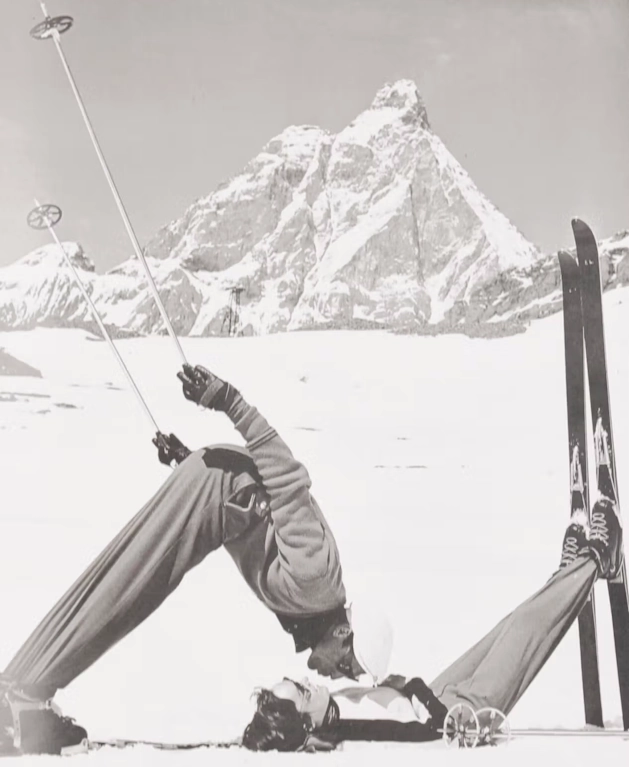
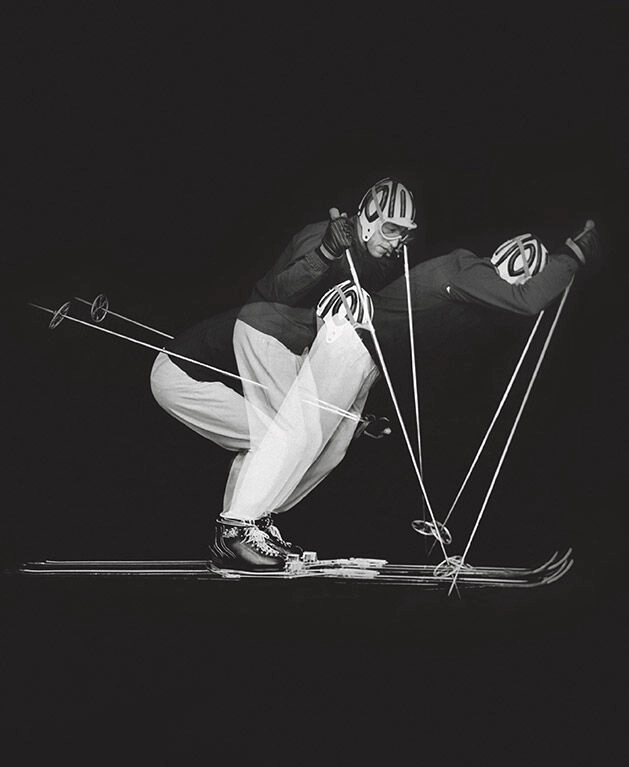

The turning point came after World War II, when Colmar decided to focus its production on sportswear. In the 1950s, Italy was experiencing a period of economic and cultural rebirth, and sport, particularly skiing, was a symbol of modernity and well-being. Colmar recognized the potential of this sector and began specializing in technical garments designed for winter sports, developing padded jackets and increasingly high-performance ski suits.
The rise in the world of winter sports
In the 1940s, Colmar began collaborating with the Italian Winter Sports Federation, creating technical clothing for athletes, a partnership that continued until 1992. International fame exploded in 1952 with the Oslo Olympics: skier Zeno Colò won the gold medal in downhill wearing an innovative aerodynamic jacket that marked the beginning of the modern era of technical skiwear.



The connection with professional sports was crucial to the brand’s growth: the victories of Italian athletes on international slopes brought visibility and prestige to the company. In particular, collaboration with champions like Gustav Thöni, a legend of Italian skiing, helped consolidate Colmar’s image as a technical and reliable brand.
Technological innovation and Italian style
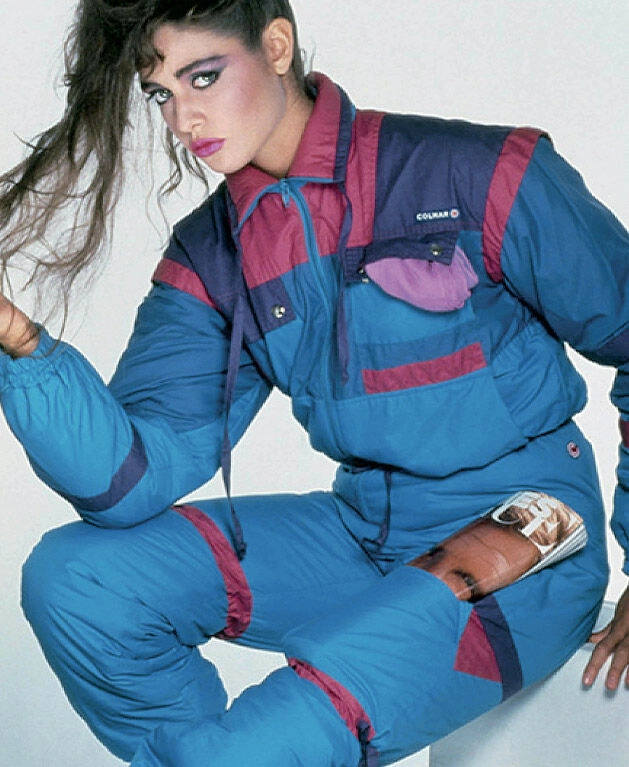
In the 1970s and 1980s, Colmar continued to invest in research into materials and production technologies. Innovative waterproof and breathable fabrics, increasingly lightweight padding systems, and advanced technical solutions were introduced, while never losing sight of aesthetics. This combination of performance and style made the brand a benchmark in Made in Italy technical sportswear. In particular, the Colmar padded jacket became an icon not only on the ski slopes but also in urban life, pioneering the concept of city sportswear.
Colmar and the value of Made in Italy
Over time, Colmar expanded its offering to include leisurewear that combined functionality and style. This dual spirit, technical and fashionable, became one of the brand’s distinctive traits. In the 1990s, Colmar entered a new phase of transformation. The sportswear market was rapidly changing, with a growing focus on design and image. The company successfully embraced this shift, launching collections that engaged with the world of urban fashion while remaining true to its sporting roots. Padded jackets, in particular, became iconic not only on the ski slopes but also in the city, helping to spread Colmar’s signature “sport chic” aesthetic.



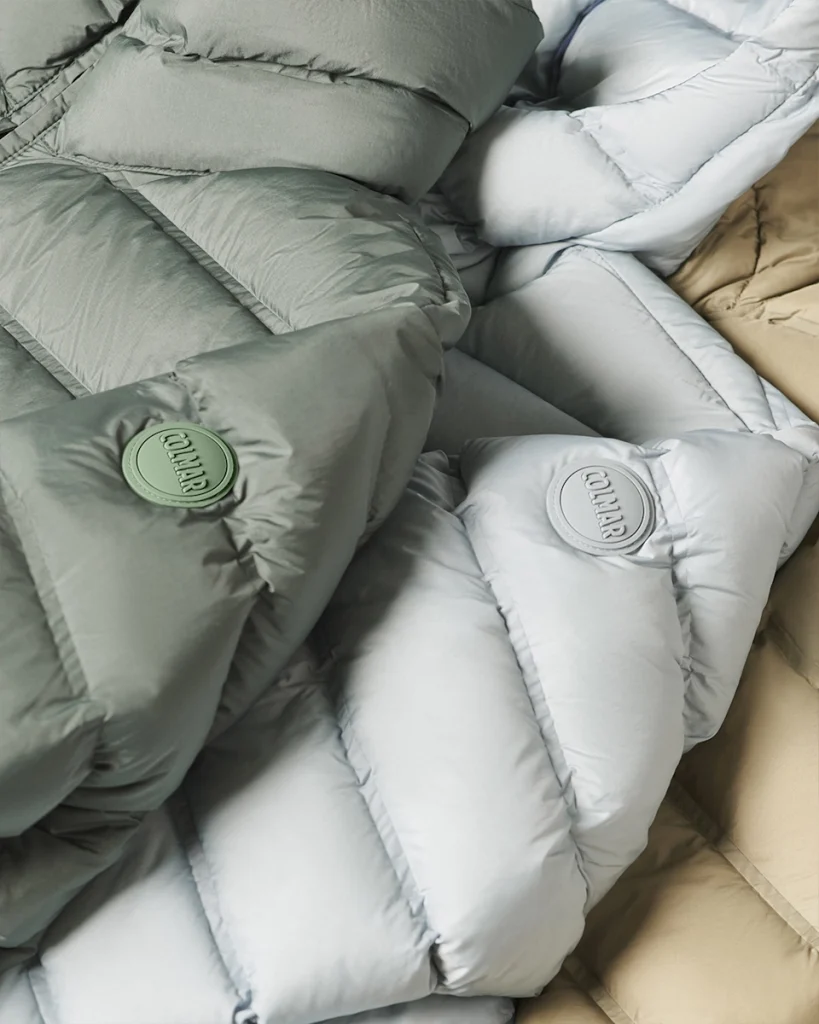
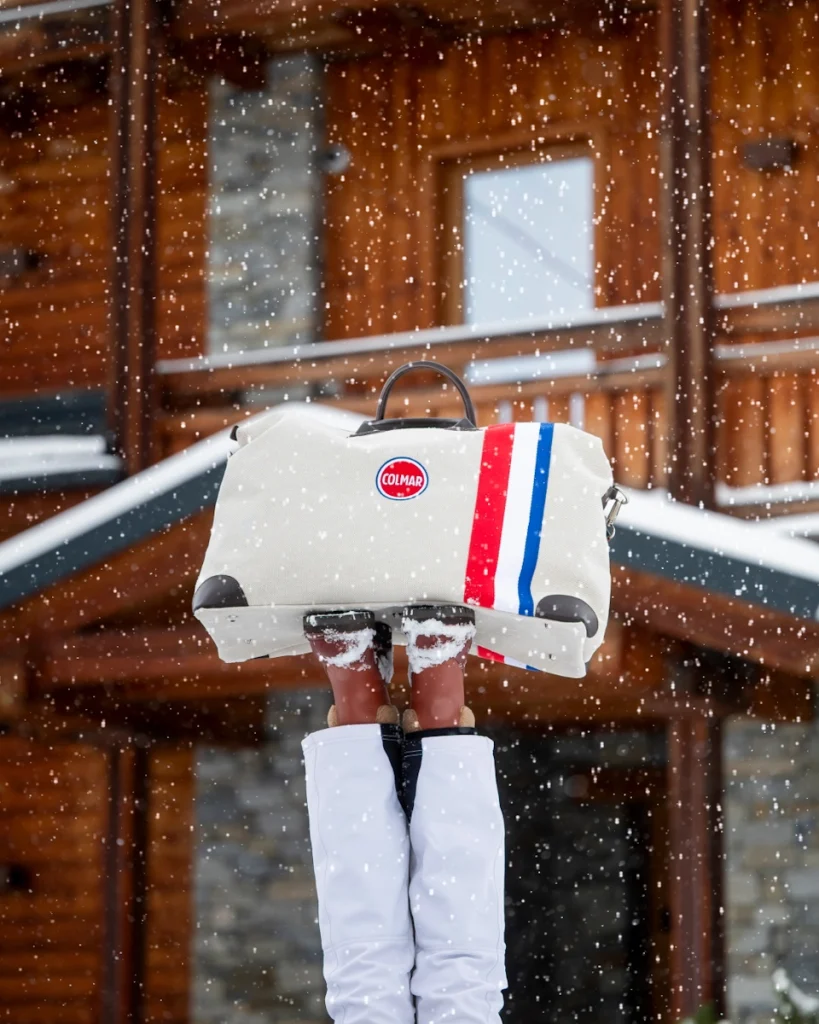

A key role is played by enhancing the historical archive. Colmar revives iconic models from the past and reimagines them with a contemporary twist, creating collections that combine historical memory and technological innovation. This approach allows the brand to tell its story and communicate the values of Made in Italy through products that blend tradition and modernity.
An Italian brand with a global vision
Today, Colmar, led by Giulio, the third generation of the Colombo family, is present in numerous international markets and represents excellence in Italian sportswear. Despite operating globally, the company maintains strong ties to its local area and Italian manufacturing culture.





Colmar’s success demonstrates that Made in Italy isn’t just a label, but a combination of skills: design, research, style, and the ability to innovate while respecting tradition. The brand continues to invest in developing new materials and collections that meet the needs of an increasingly quality- and sustainability-focused audience.
Congratulations to those who dress sport and bring Italy to the Olympics and to the world.
Discover other outstanding Italian companies in the world of sportswear.