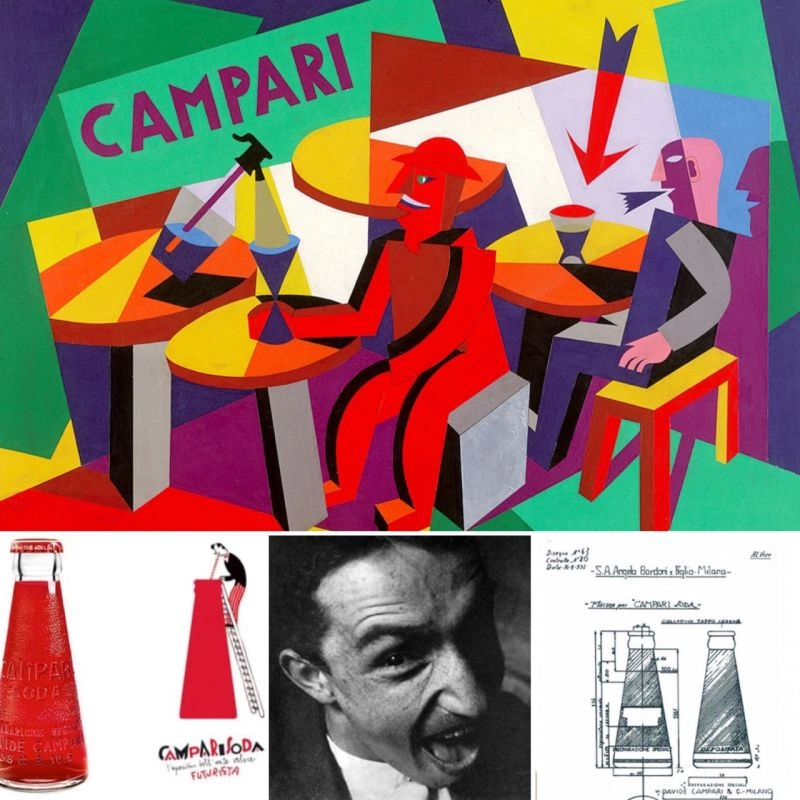

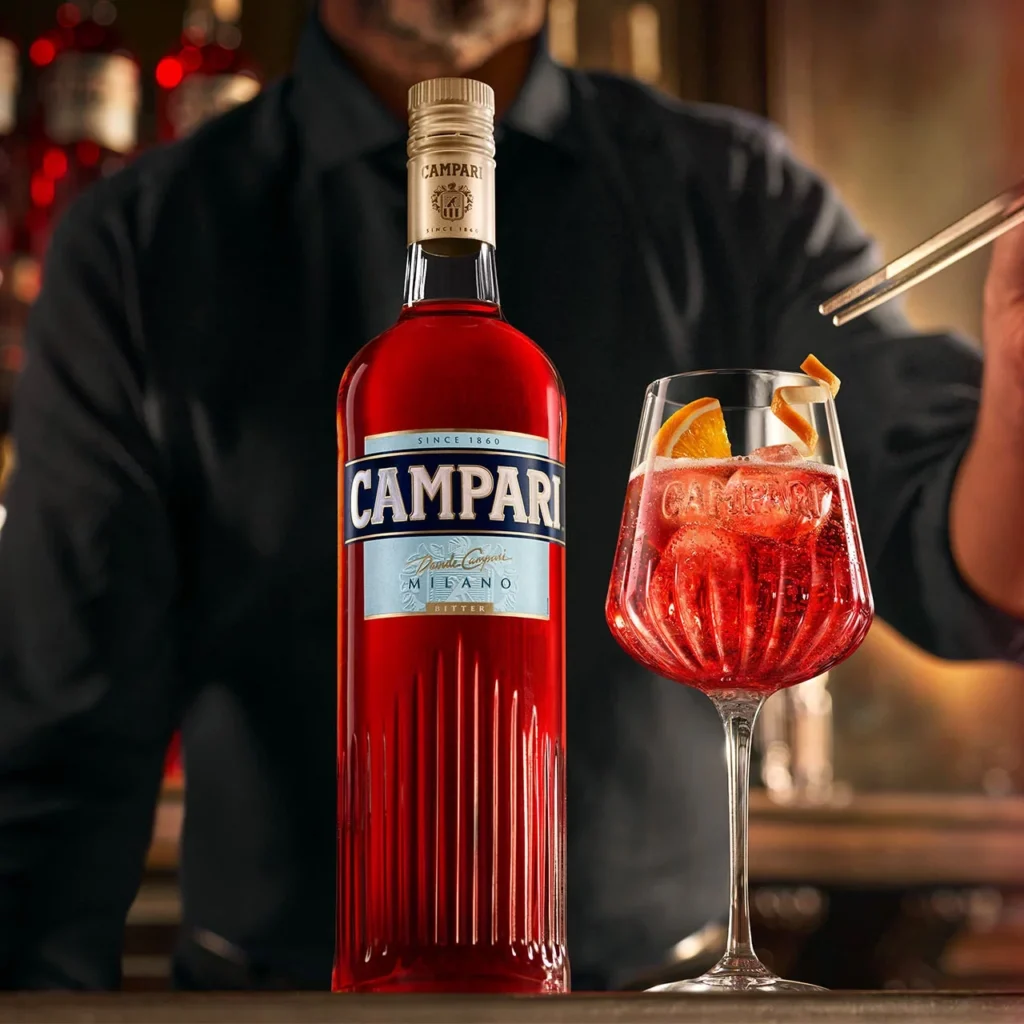
With summer comes the desire to get together for an aperitif. And there is one brand that is more closely linked to this all-Italian ritual than any other: we are talking about Campari – more than a liqueur, a symbol. With its unmistakable red colour, bitter taste and all-Milanese elegance, Campari is one of the icons of Made in Italy, known the world over. But how did this legend come about?
Origins
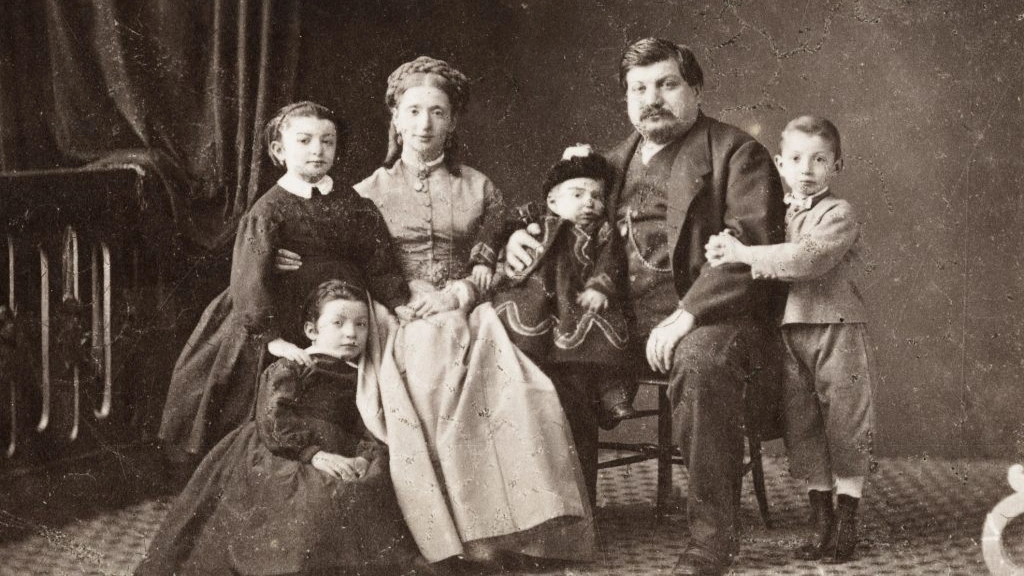
It all began in 1860, in Novara, when Gaspare Campari, a liquorist and entrepreneur, created a unique drink, the result of a secret blend of herbs, fruit and spices. He called it Bitter all’uso d’Hollanda, and it was an immediate success; however, it was his son, Davide, who made it a global phenomenon.
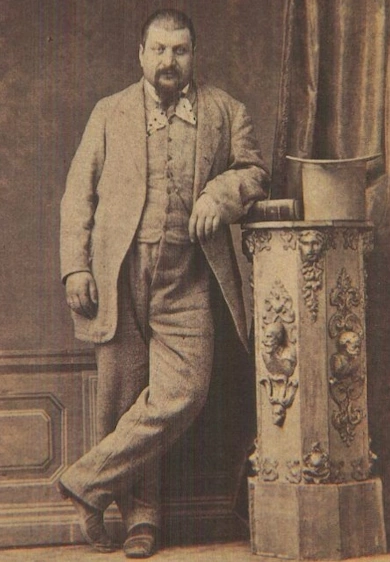
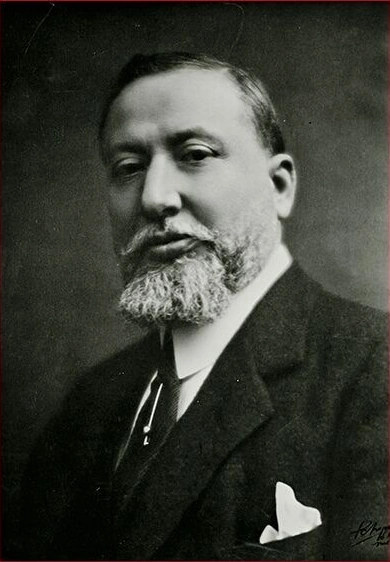
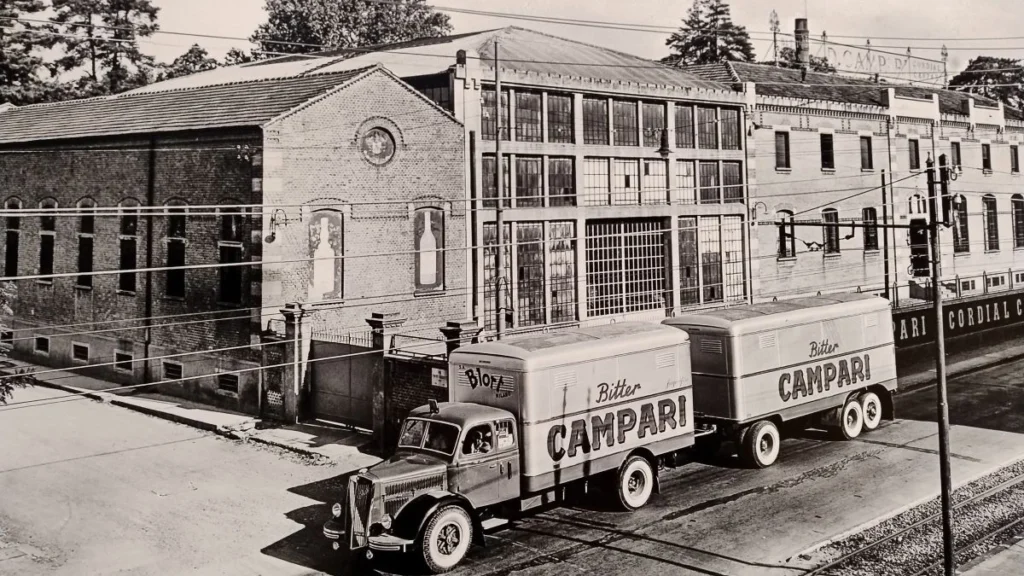
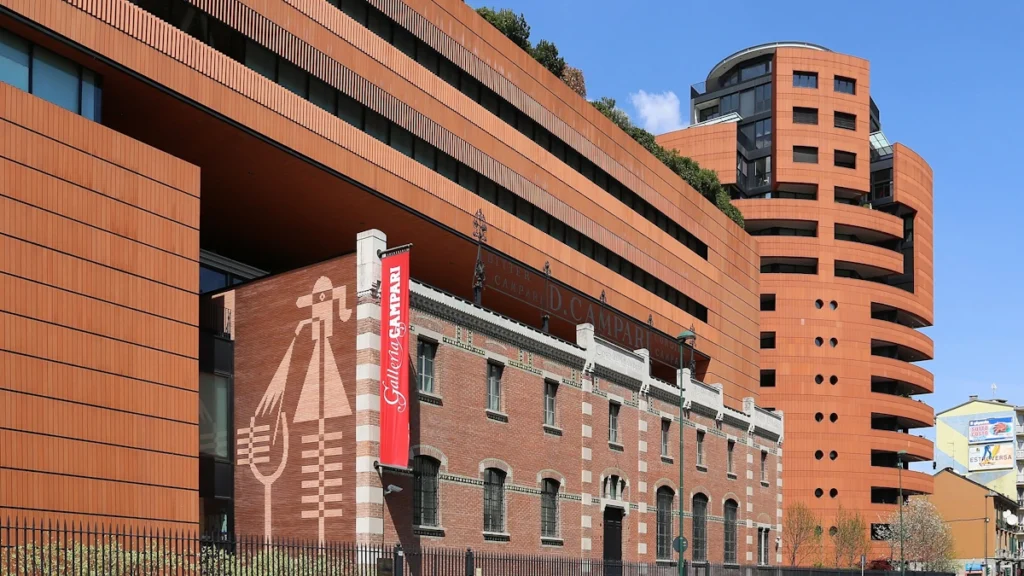
A few years later, Gaspare moved to Milan, where he opened Caffè Campari in the Galleria Vittorio Emanuele II, the city’s new meeting place. Campari’s success soon went beyond the boundaries of the café, and in 1904, Davide, who had taken over the reins of the company after his father’s death, opened the first factory in Sesto San Giovanni and began exporting abroad. Davide had a modern vision: he did not just sell a product, but an idea of the Made in Italy style, sociality, and taste. He combined innovative commercial strategies with a strong focus on product quality. Under his leadership, Campari expanded rapidly, opening plants and consolidating its presence in various markets.
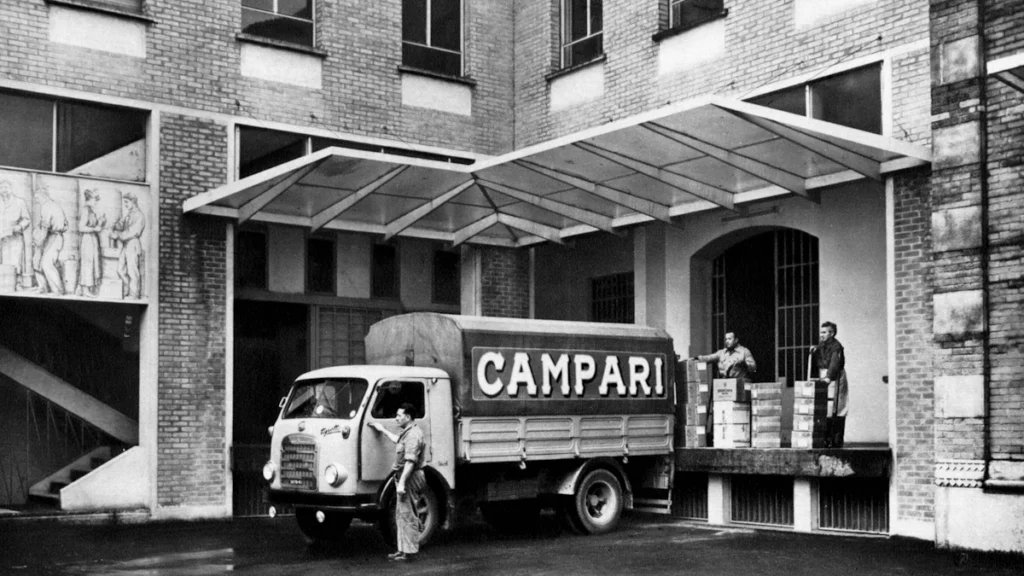
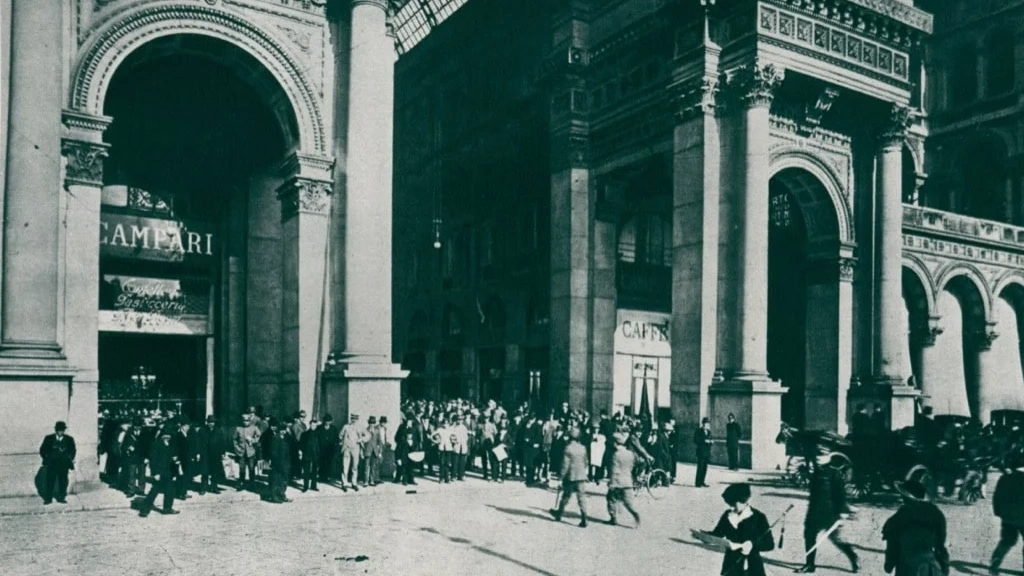
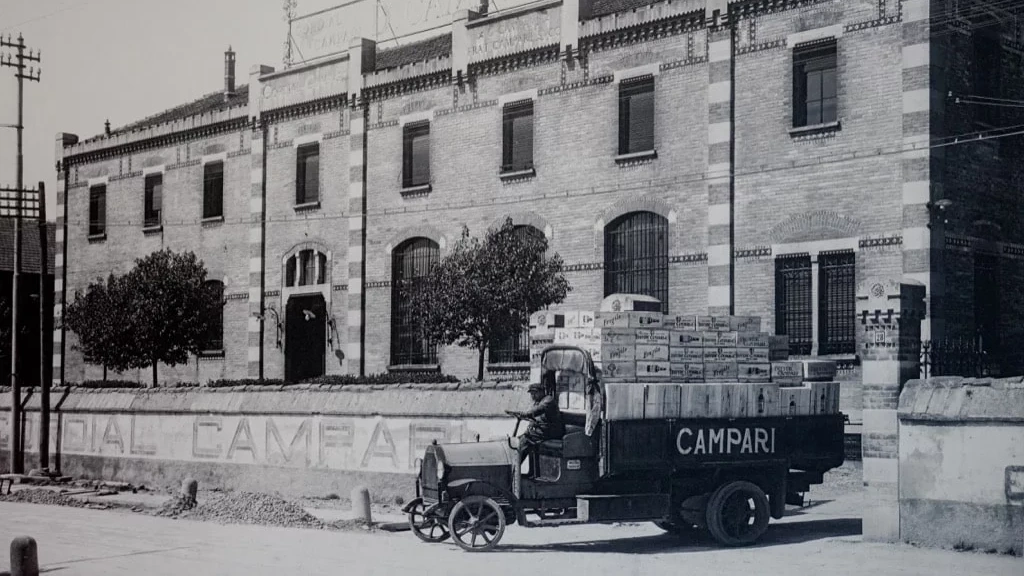
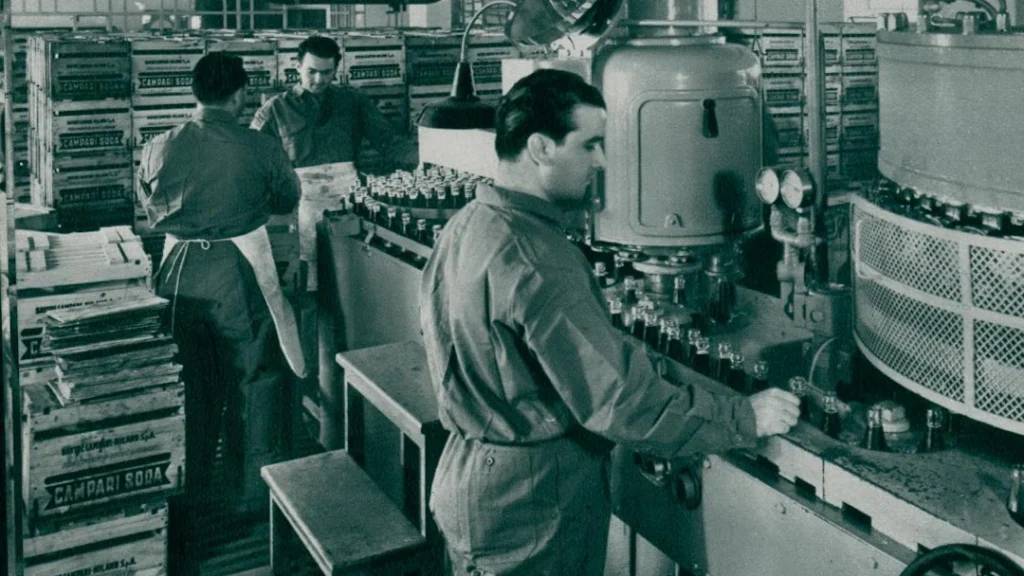
Campari and visual culture: art, advertising, design
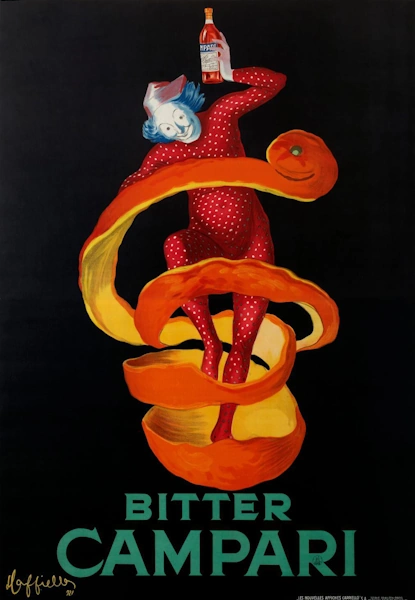
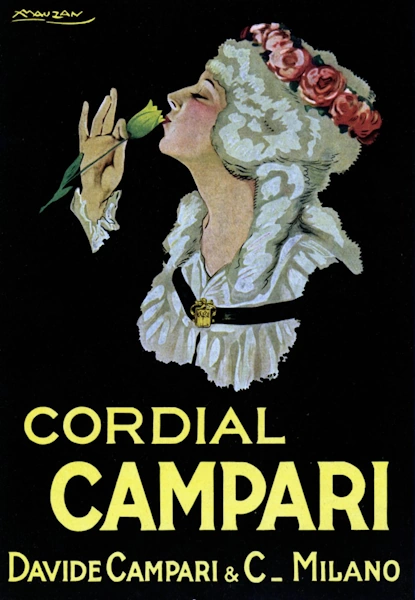
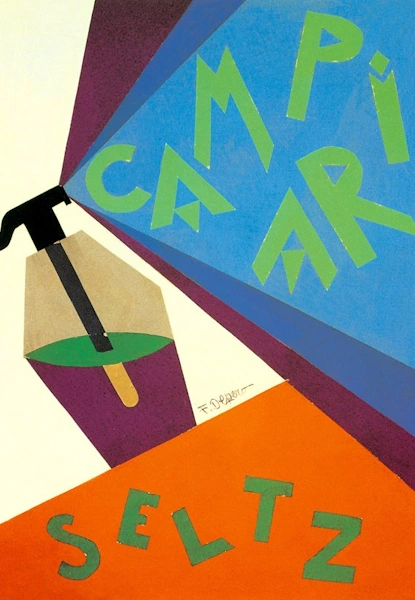
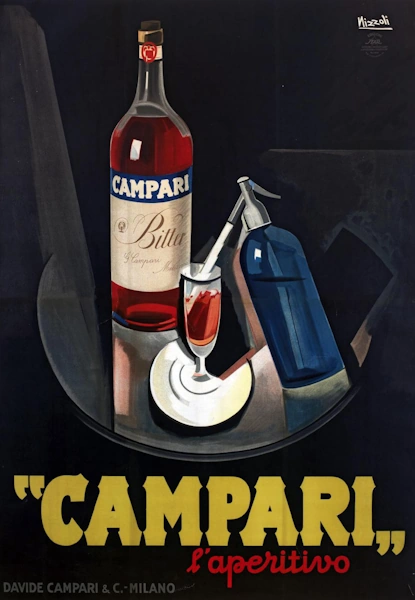
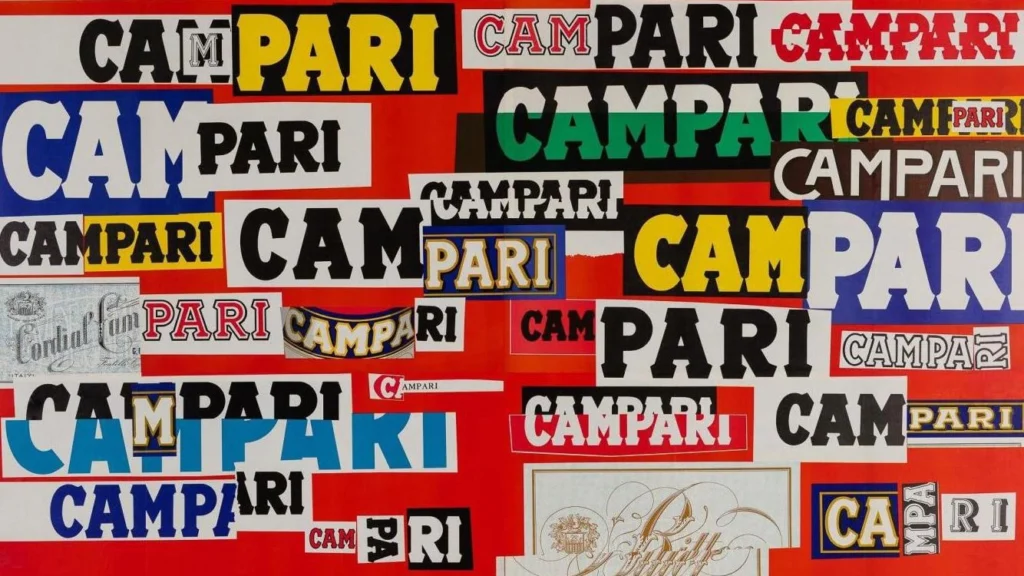
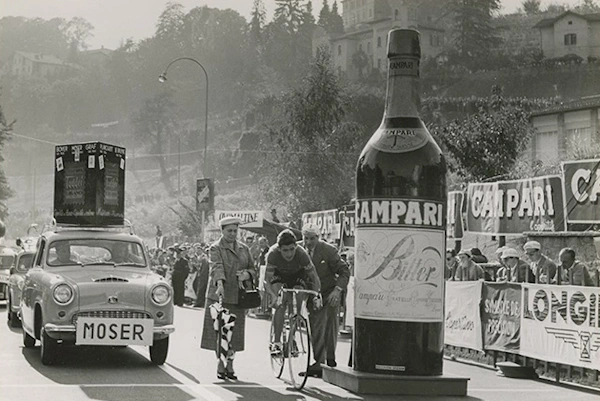
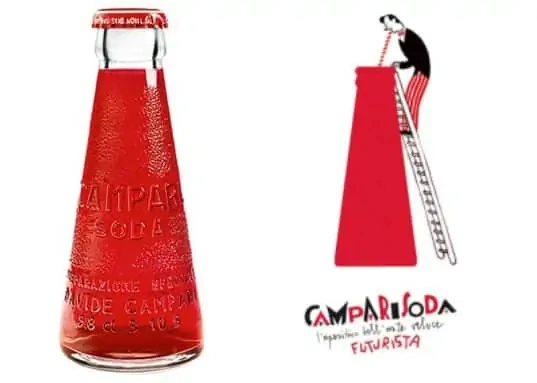
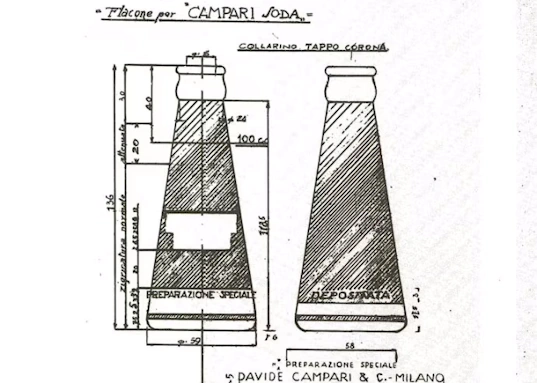
One of the key factors contributing to Campari’s success has always been its connection with art and visual communication. Led by an extraordinary focus on marketing and advertising, in the 1920s and 1930s, the brand collaborated with world-famous designers, illustrators and architects, who helped make it a synonym for style and elegance through iconic campaigns. Particularly fruitful was the collaboration with Fortunato Depero, who in 1932 designed the unmistakable bottle of Campari Soda, the first ready-to-drink aperitif sold in a single-serve package.


Negroni and the Italian aperitif
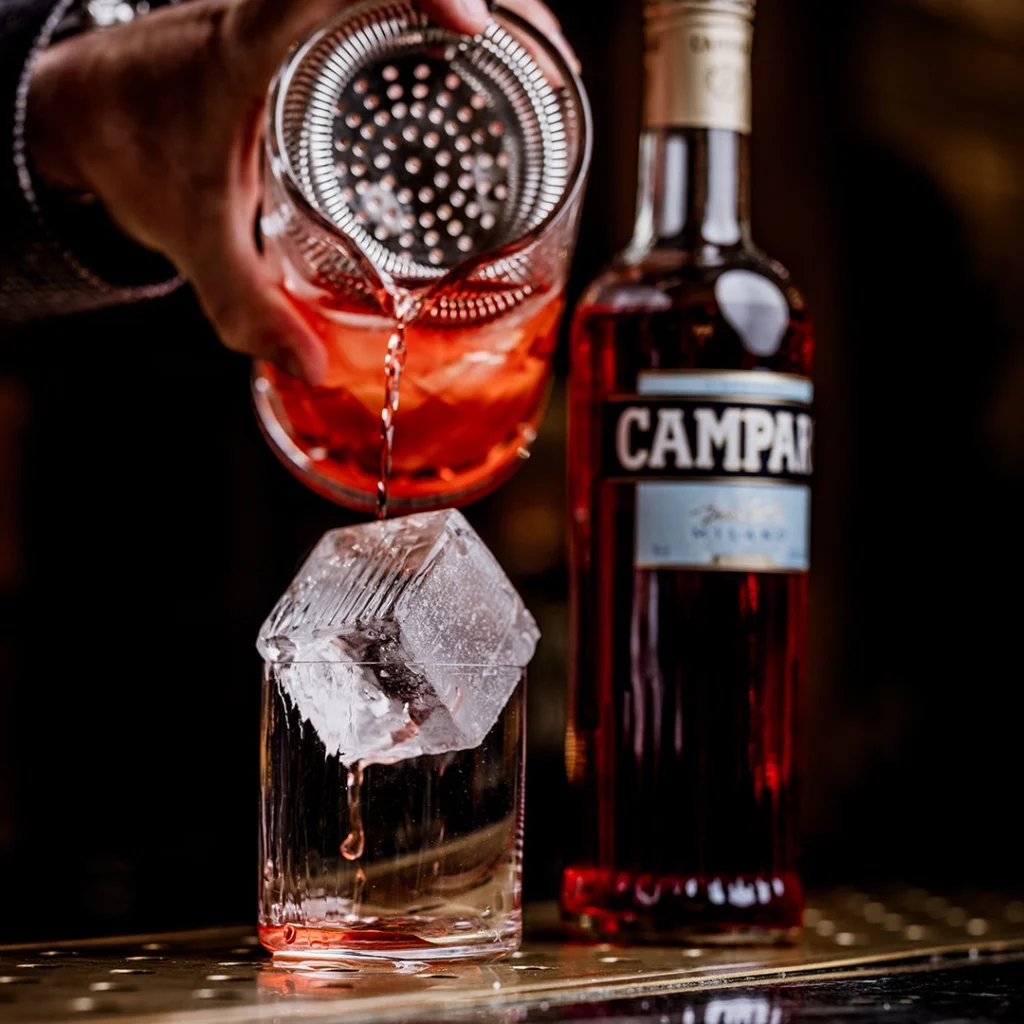
Campari also means Negroni, a cocktail based on Campari, gin, and red vermouth, created in Florence in the 1920s and now one of the most popular drinks in bars worldwide. The Americano also dates back to the 1920s and, like the Negroni, is included in the IBA’s list of official drinks in the category The Unforgettable. These two cocktails, together with the Spritz, are the kings of the Italian aperitivo, that social ritual that combines relaxation, taste and conviviality.
The product portfolio
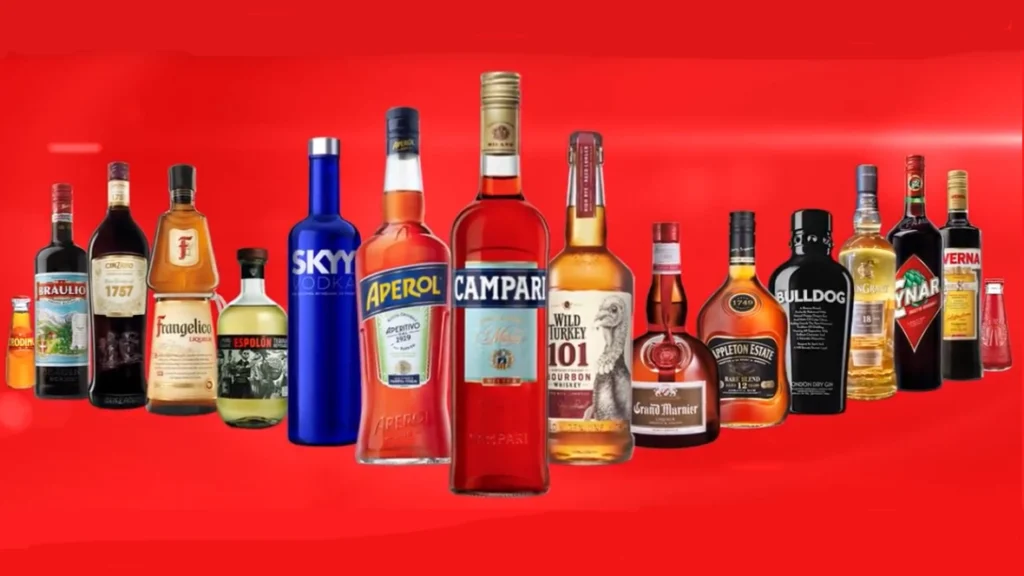
Over the 20th century, Campari has become a global point of reference in the aperitif sector, and today represents an extensive product portfolio spanning multiple categories. Gruppo Campari’s brands include prestigious names such as Aperol, Wild Turkey, SKYY Vodka, Cynar, Averna and Grand Marnier. This diversification has enabled the company to satisfy a wide range of tastes and preferences.
A commitment to sustainability
In addition to its commercial success, Campari is actively committed to sustainability. The company has introduced practices aimed at reducing its environmental impact, such as optimising production processes and using recycled materials. This approach reflects a modern and responsible vision that considers global challenges.
A celebration of Made in Italy excellence
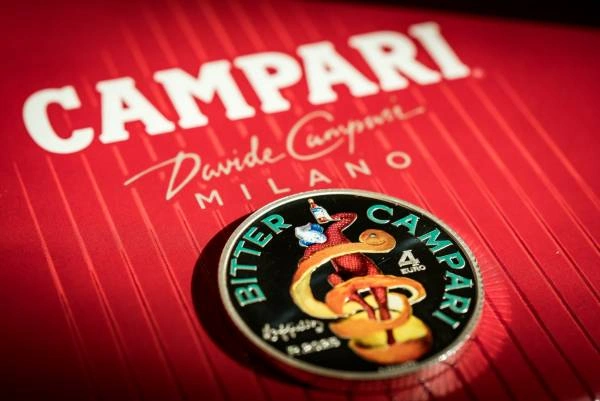
In 2025, the company was celebrated by a coin issued by the Ministry of Economy and Finance and minted by the Istituto Poligrafico e Zecca dello Stato. Created by the artist Emanuele Ferretti, the coin is made of silver and has a value of €4. One of the two sides features the historic “Spiritello“, created by Leonetto Cappiello in 1921 and serving as the brand’s first mascot.
A global brand that looks ahead
Campari is more than a company: it is a cultural icon. With its ability to innovate, expand and influence the world culture, Campari represents genuine Italian pride and joy.
Today, the Campari Group operates 18 production plants, with four located in Italy (Canale, Novi Ligure, Alghero, and Caltanissetta), three in Jamaica and France, and one each in Brazil, Greece, Scotland, Mexico, Australia, the United States, Canada, and Argentina. There are 4,700 employees, 1,200 of whom are based in Italy, at the Sesto San Giovanni premises and the four production sites.
In a world where everything changes rapidly, Campari remains a fixed point: the elegance of the aperitif, the art of the cocktail, and the strength of an identity that has been telling the world about Italy and Made in Italy for more than 160 years.
Lean about other Italian outstanding products related to the aperitif ritual.