
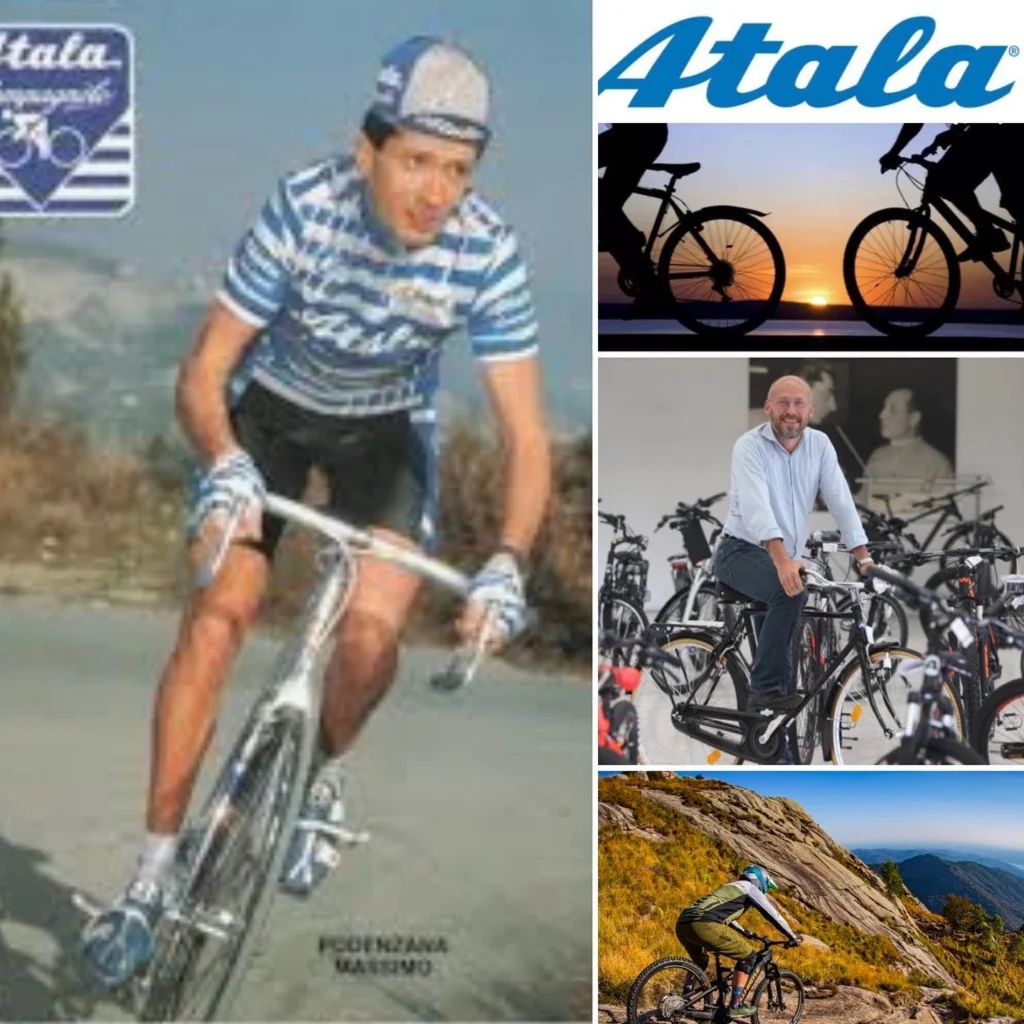

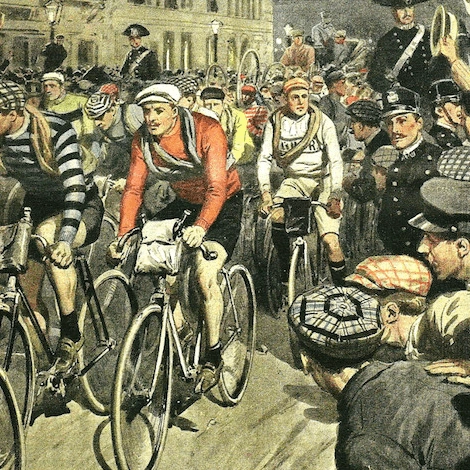
The Giro d’Italia was undoubtedly not a women’s competition: the only woman to participate was Alfonsina Strada, first in 1917 and then in 1924, a non-team edition that struggled to gather competitors. Yet, ironically, in the first two editions of the Giro (1909 and 1910), it was a bicycle with a woman’s name that triumphed, and her name was Atala. The brand was established in 1907 in Milan, when Angelo Gatti, a former Bianchi executive, founded “Atala – velocipede factory.” The name is a tribute to Gatti’s mother, Atala Naldi, and the logo is a red and blue shield.
Early victories and the “Four Musketeers”
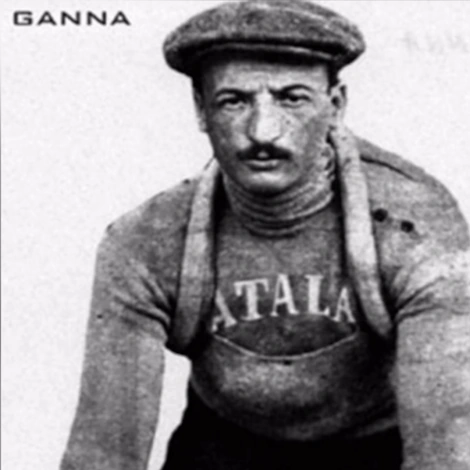
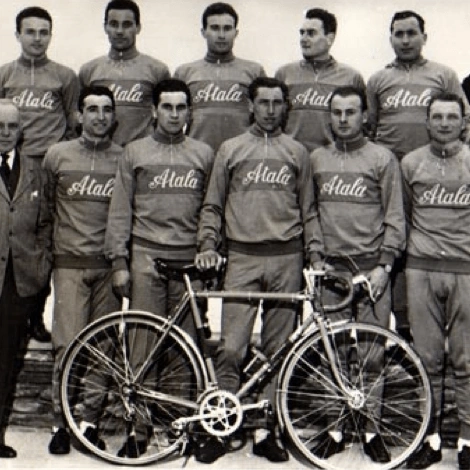
From the very beginning, Gatti supported his own cycling team, with which he participated in the first editions of the Giro. Successes were not long in coming: Luigi Ganna and Carlo Galetti, in fact, won the first two editions of the Giro in 1909 and 1910, respectively. In 1912, another important success was Atala’s winning the team race with the “four musketeers,” Luigi Ganna, Giovanni Micheletto, Carlo Galetti, and Eberardo Pavesi.
Ownership changes and new successes
Between 1916 and 1919 ownership of Atala passed to the Artale & C Company, and from 1919 to 1938 to the S.A. Emerico Steiner Company, which would combine bicycle production with motorcycle production until 1934.
In 1938, the Atala brand was bought by entrepreneur Cesare Rizzato, a Padua-based manufacturer of frames under the Ceriz brand. After Atala, Rizzato acquired the Maino and Dei brands, with which he achieved several successes in the 1960s.
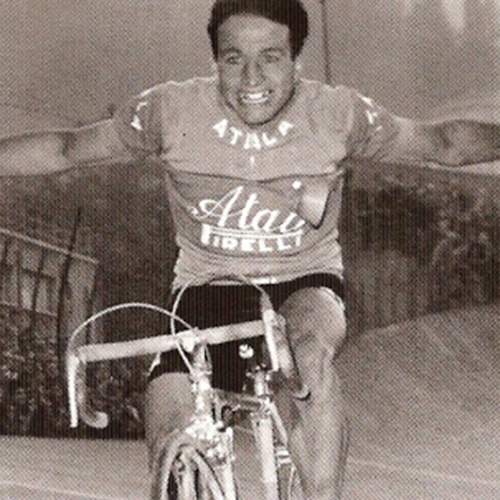


From 1982 to 1989, Atala sponsored the Atala-Campagnolo team with its frames. The team started by winning several stages of the Giro d’Italia, particularly thanks to Swiss sprinter Urs Freuler, who also won a points classification.

After that, the company entered a crisis period due to high production costs compared to foreign competitors.
A growing market
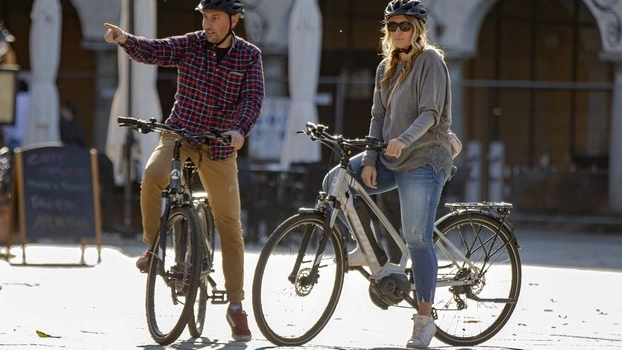
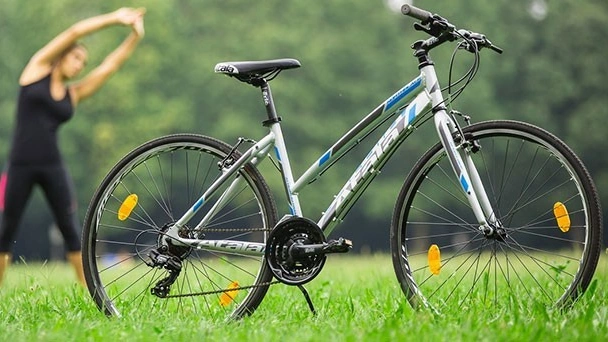
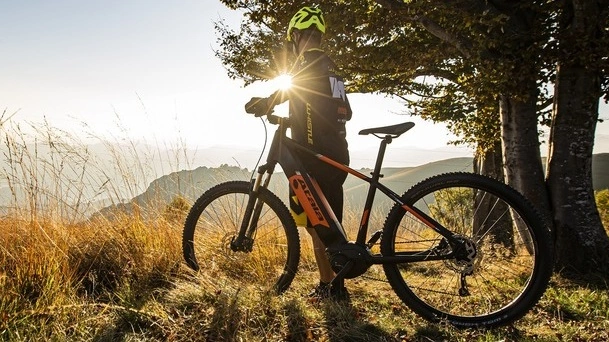
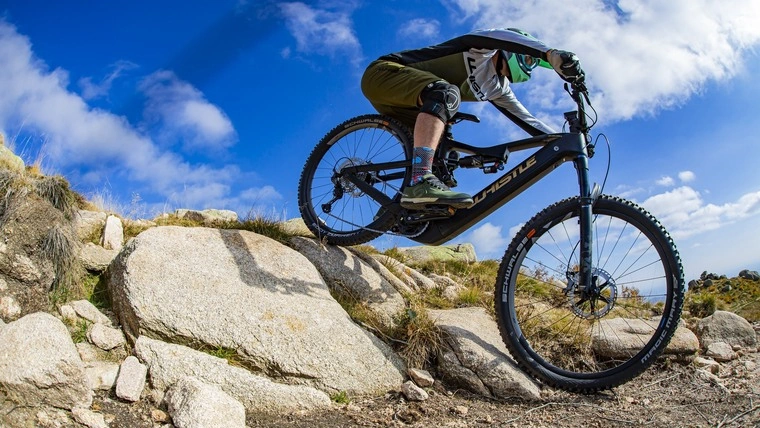
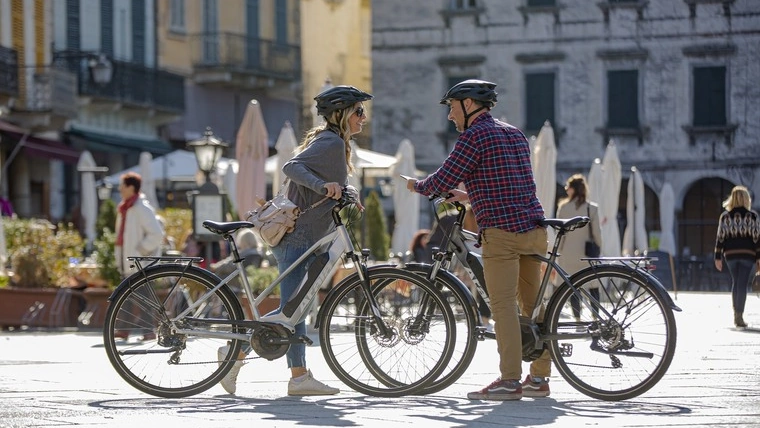
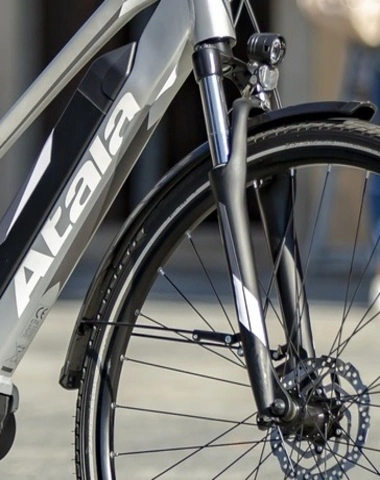
Today, Atala Spa is 50 percent owned by the Dutch multinational Group Accell. It markets professional bicycles, fitness bicycles, e-bikes, and leisure bicycles. The warehouse is located in Monza, and production occurs in Italy, Turkey, Turkmenistan, and other Asian countries.
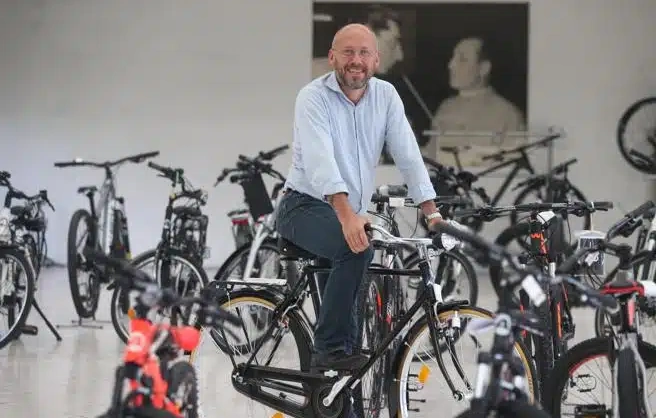
Today, 60 percent of sales are made abroad, and despite the overproduction that characterized the lockdown years and affected everyone in the industry, the bicycle market is growing, thanks in part to the new opportunities opened up by e-bikes.
Congratulations to those who bring the tradition of Italian bicycles to the world!
Discover other Made in Italy excellence in the world of sports and leisure.