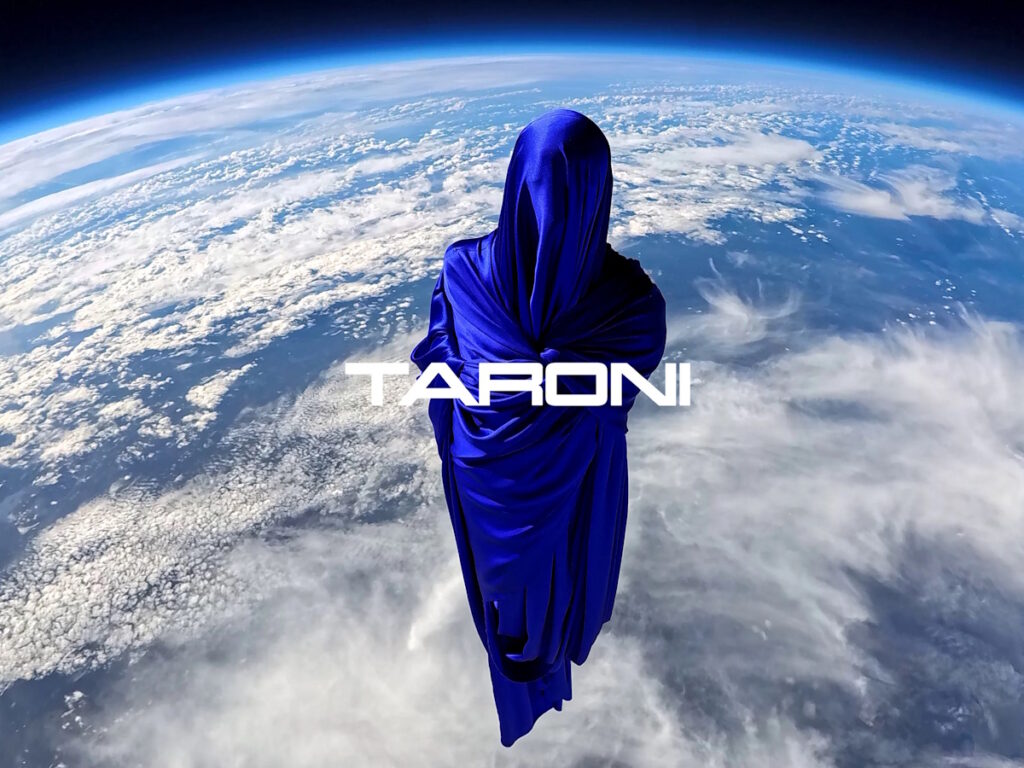

What does ‘Made in Italy’ have to do with the film Barbie, based on the Mattel doll – the world’s most famous and best-selling doll? It’s very much relevant, given that Barbie’s iconic dress (pink with white checks), worn by the lead actress Margot Robbie and designed by Oscar-winning costume designer Jacqueline Durran, was made using Taroni fabrics – a prime example of Made in Italy excellence, renowned worldwide for the quality of its fabrics.
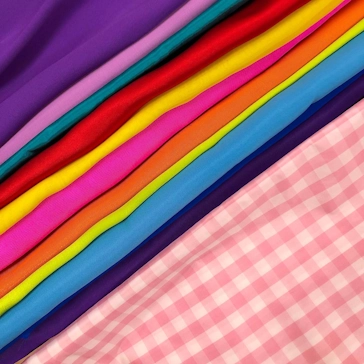

A leading name in Como’s textile tradition for over 140 years, Taroni has always placed silk at the heart of a story that, even today, speaks of quality, innovation and creativity – qualities recognised and appreciated by the world’s leading fashion houses.
Amedeo Taroni and the founding of the silk mill
Taroni’s history has its roots in the Como silk-weaving district, one of the most prestigious in the world. It was here, in 1880, that the business was established which would later become the company founded by Pietro Amedeo Taroni, a silk technician and weaver of great creative sensitivity. In 1921, Taroni brought together various production activities and established Industria Serica Taroni S.p.A., which was destined to become one of the leading names in Italian weaving.
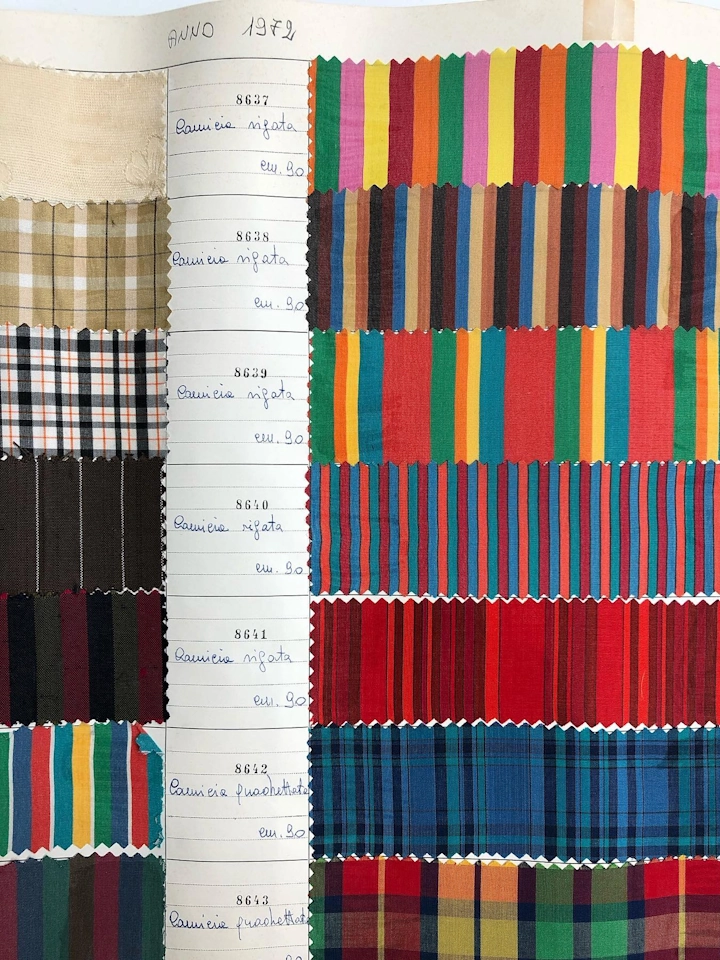
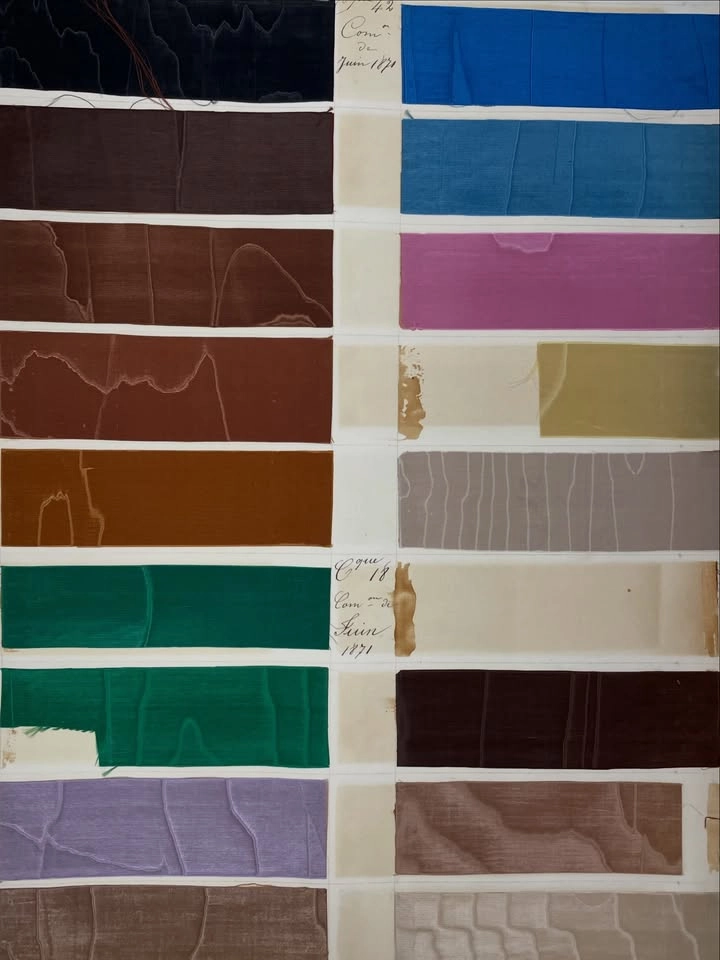
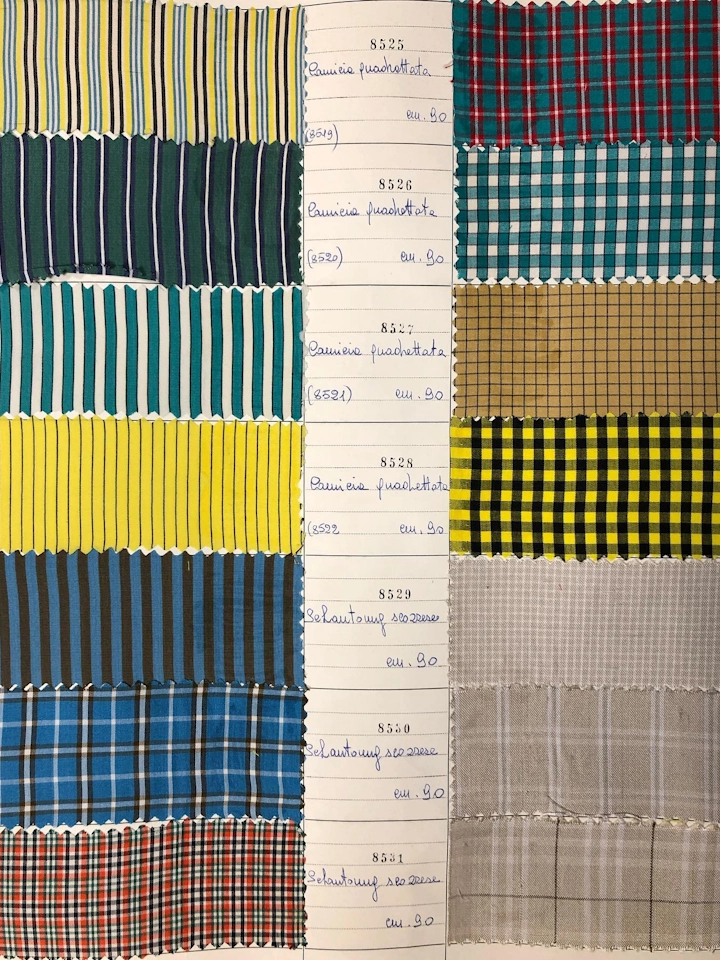
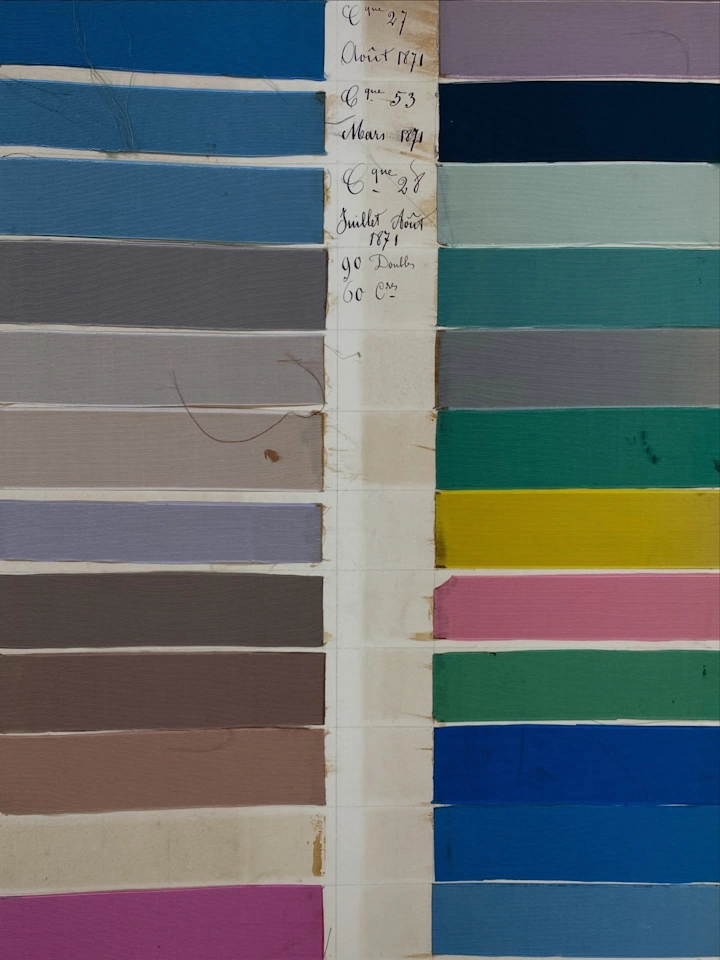
From the very beginning, the company has stood out for its ability to combine creativity, colour research and technical innovation. For Taroni, fabric was a medium for experimentation, combining ever-new colours, yarns and textures.
Silk meets haute couture
In the 1930s, Taroni developed relationships with French silk manufacturers and the world of haute couture. Taroni silk began to find its way into the ateliers and collections of the big names in fashion – a world where creativity, craftsmanship and luxury must coexist.
This is an important period, as it helps to consolidate a key feature of the company: its ability to engage with designers and fashion houses and to translate fashion creativity into textiles.
The boom in Italian fashion
The war did not bring the company’s operations to a complete standstill; in addition to fabrics for clothing, it produced silk for parachutes. After the war, the Italian fashion industry grew rapidly, and demand for high-quality fabrics increased. Taroni resumed working for the major Italian fashion houses and strengthened its ties with French couturiers.
This was the period when Made in Italy began to establish itself as a truly recognised brand worldwide. And companies such as Taroni helped to build its reputation through a manufacturing process characterised by expertise, creativity and an almost artisanal attention to detail.
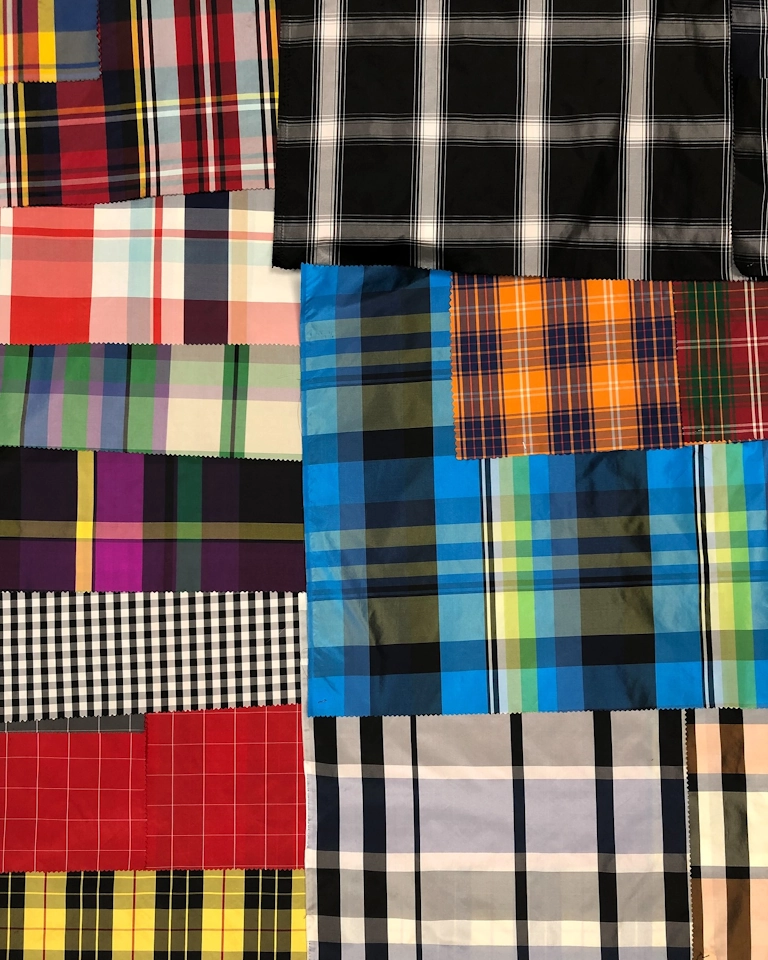
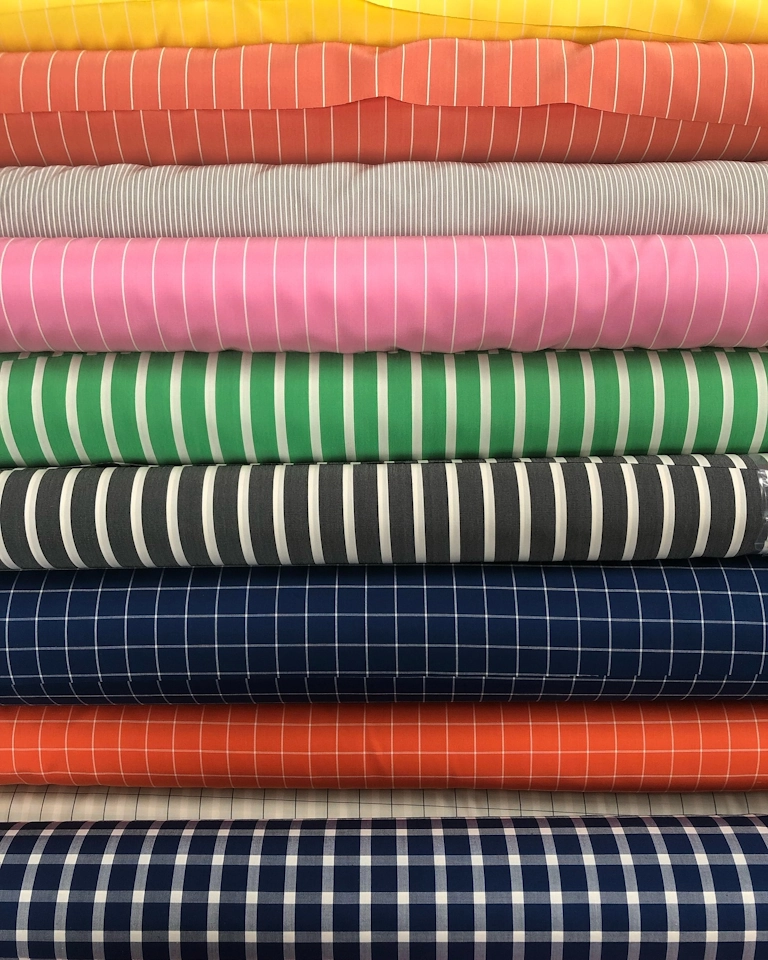
Tradition and innovation: the turning point in the 1960s
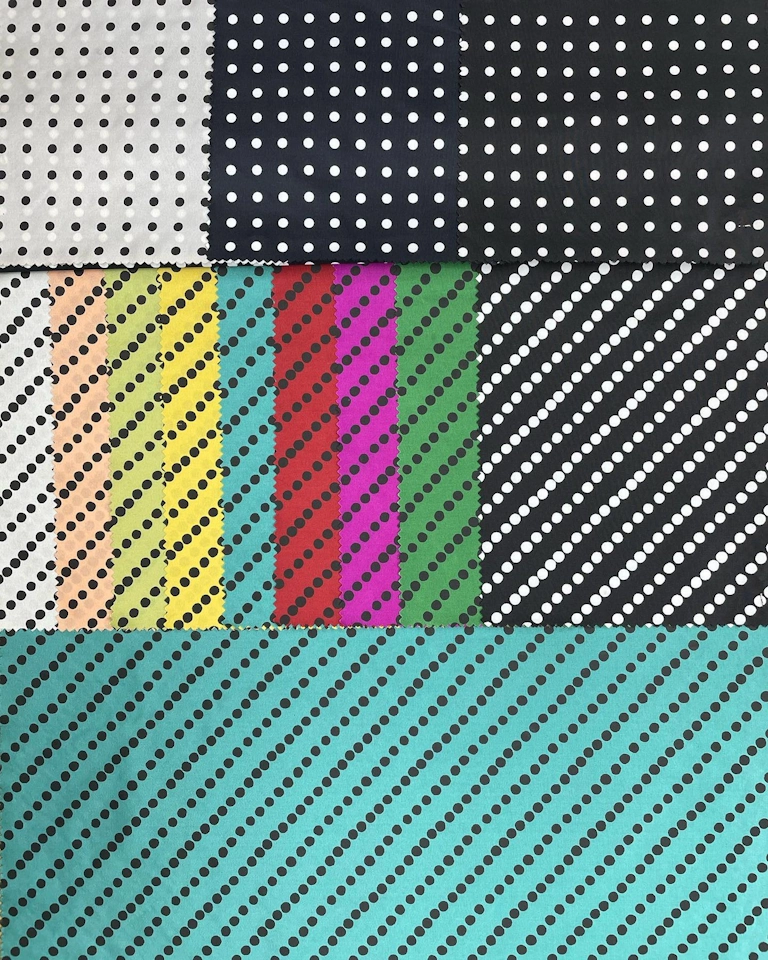
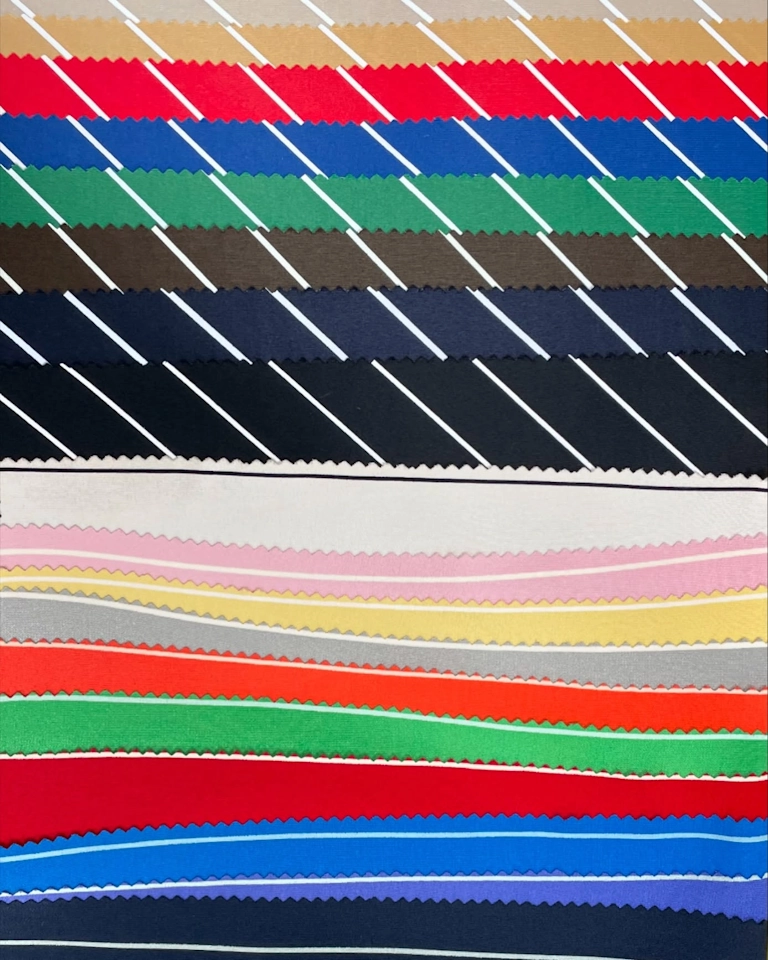
In 1963, Giampaolo Porlezza took over the company, building on the legacy left by Amedeo Taroni while introducing new ideas. On the one hand, the company studied the historic fabrics preserved in its archives, a valuable source of inspiration; on the other, it developed new collections, including numerous printed designs, better aligned with the tastes and demands of contemporary fashion. In 1967, the company officially adopted the name Taroni S.p.A.
A new family, the same identity
In 1999, the history of Taroni intersected with that of the Canepa family. Giampaolo Porlezza sold the company to Michele Canepa. Already vice-chairman of the family’s textile business, Canepa decided to embark on his own entrepreneurial journey. The decision was to retain the Taroni name and continue producing traditional silk, whilst complementing the artisanal looms with state-of-the-art machinery: a fusion of past and present that would become one of the company’s defining features.
Antique looms and modern technology
For over eighty years, Taroni’s production facilities were based in Via Morazzone, right in the heart of Como’s historic centre. In 2008, however, the company made a major change: it relocated its production facilities, warehouses, and offices to Grandate, to a more modern site.
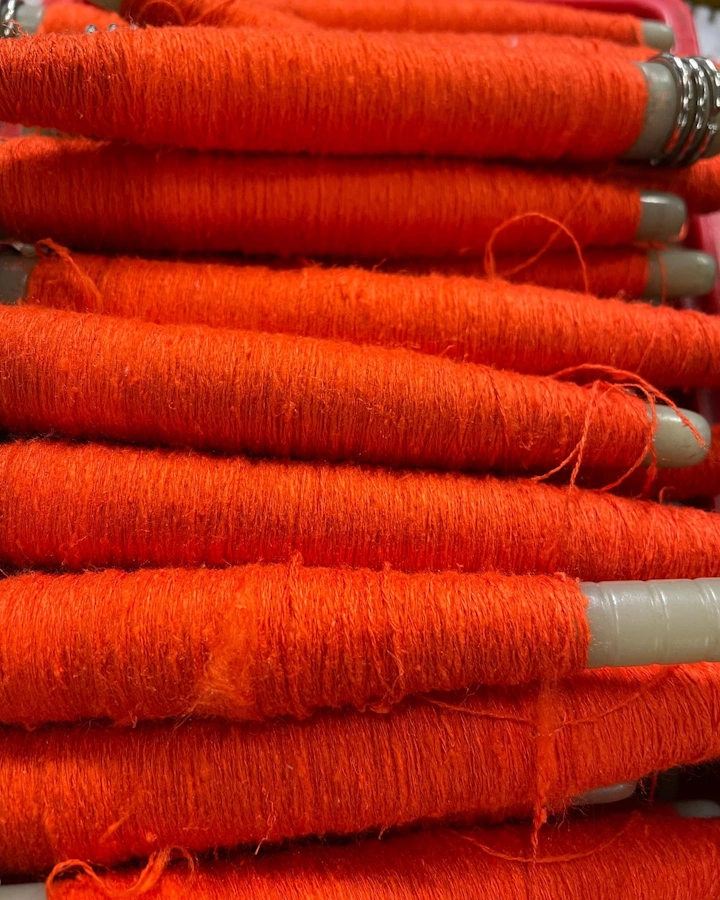
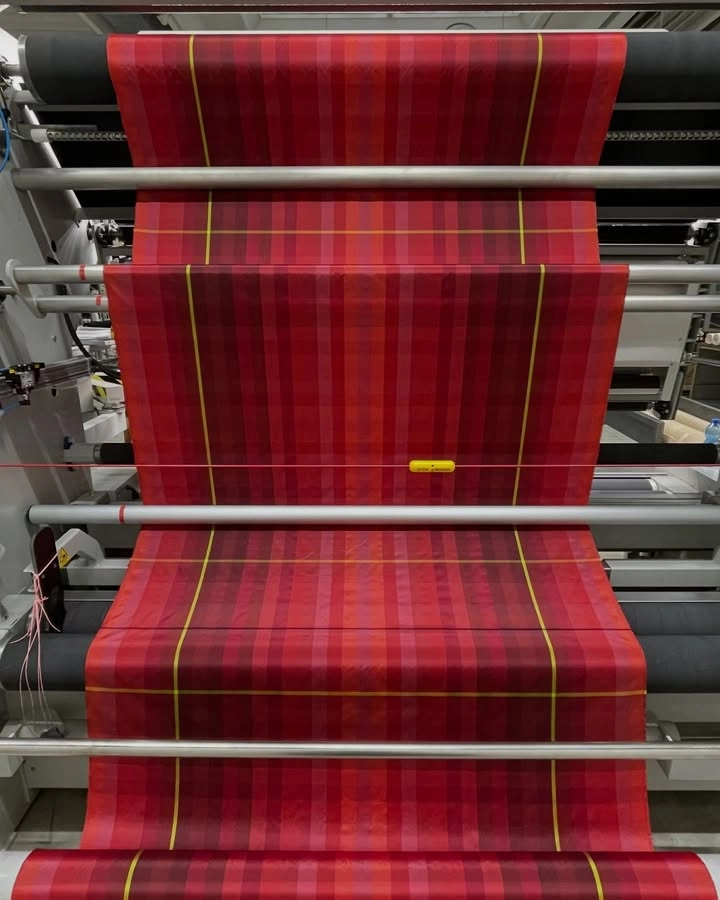
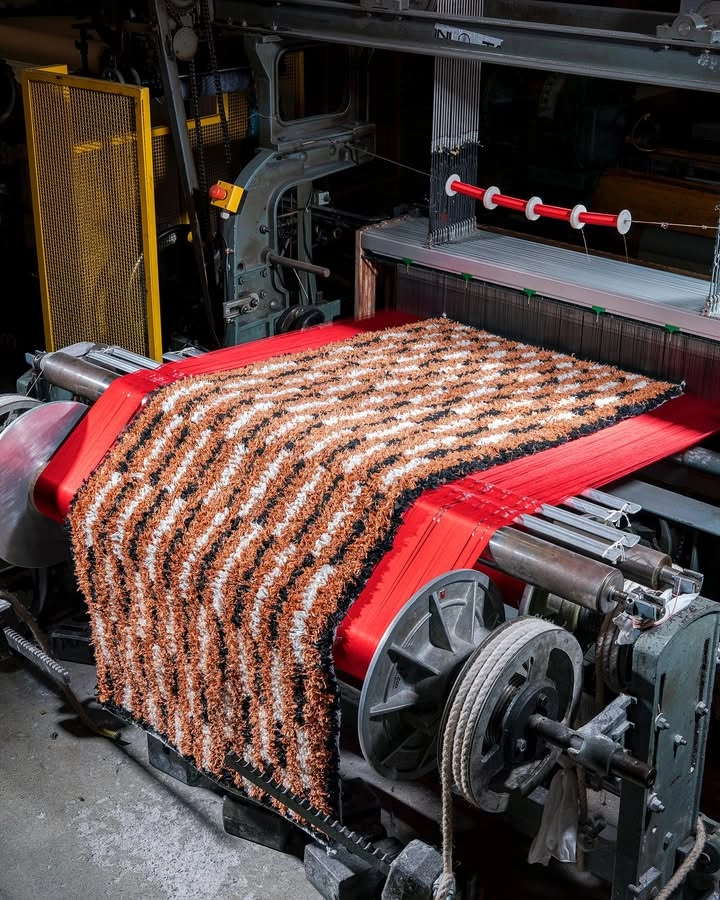
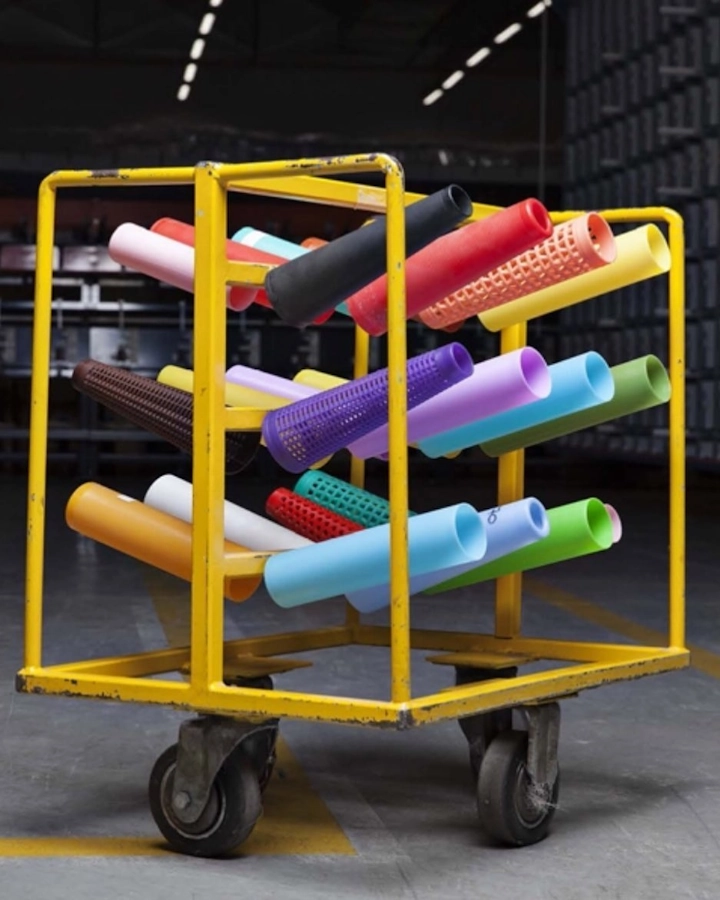
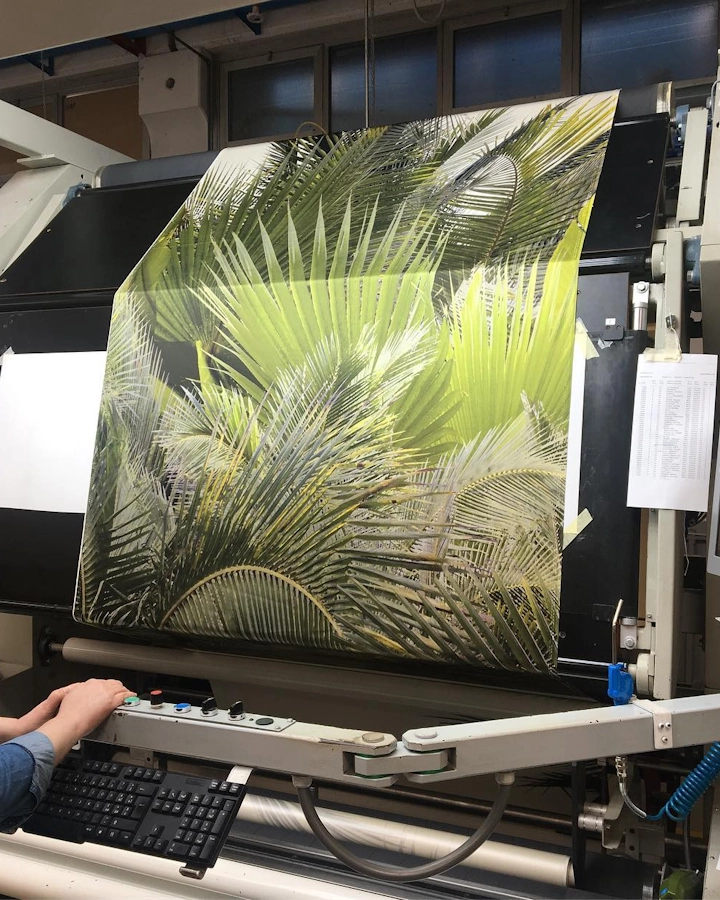
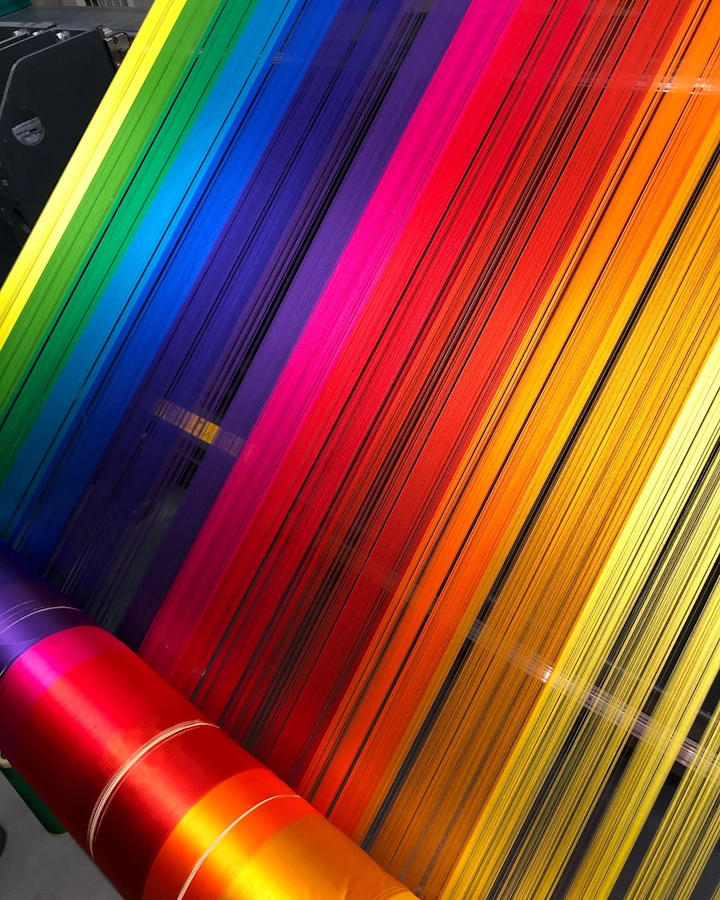
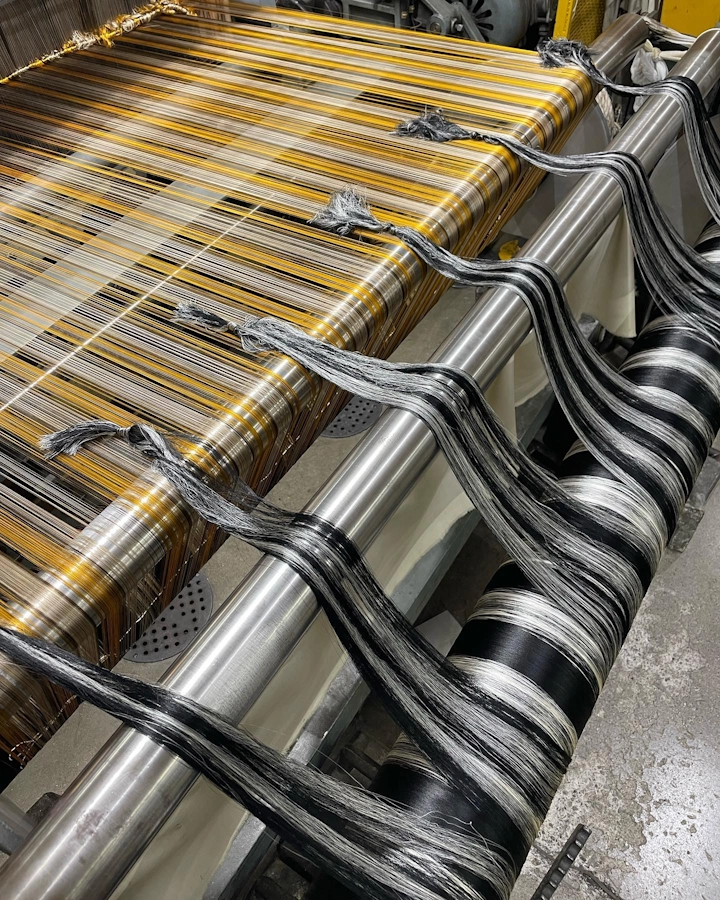
But here too, the past continues to coexist with the present. Traditional looms remain part of the company’s manufacturing heritage and operate alongside more modern machinery and technology. The new facility enables improved quality control across the production chain and allows increased output without compromising the artisanal attention to detail that has always set the brand apart.
Silk as a material to be reinvented
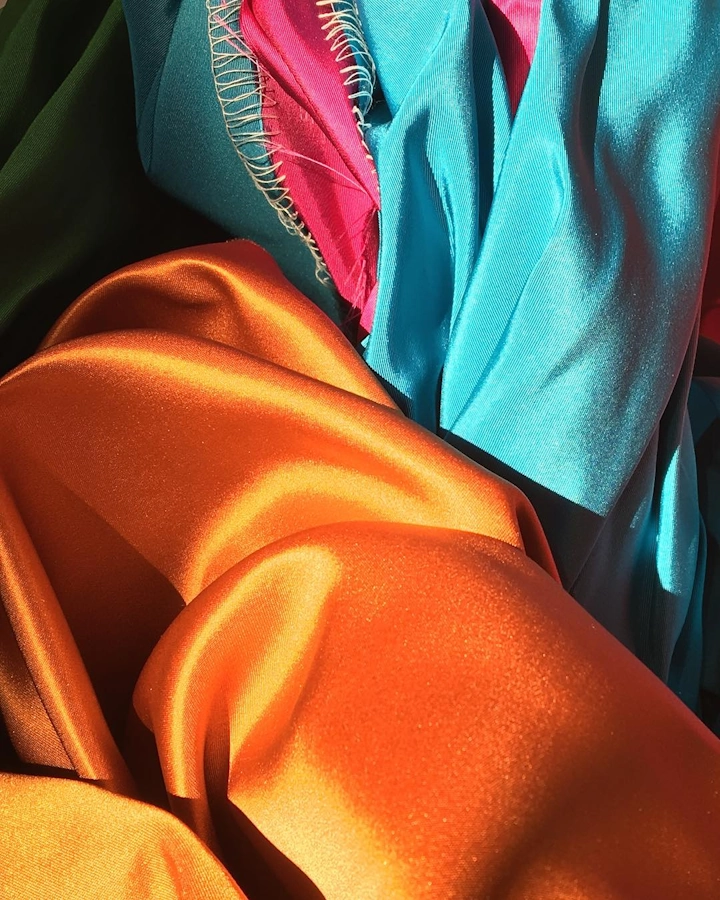
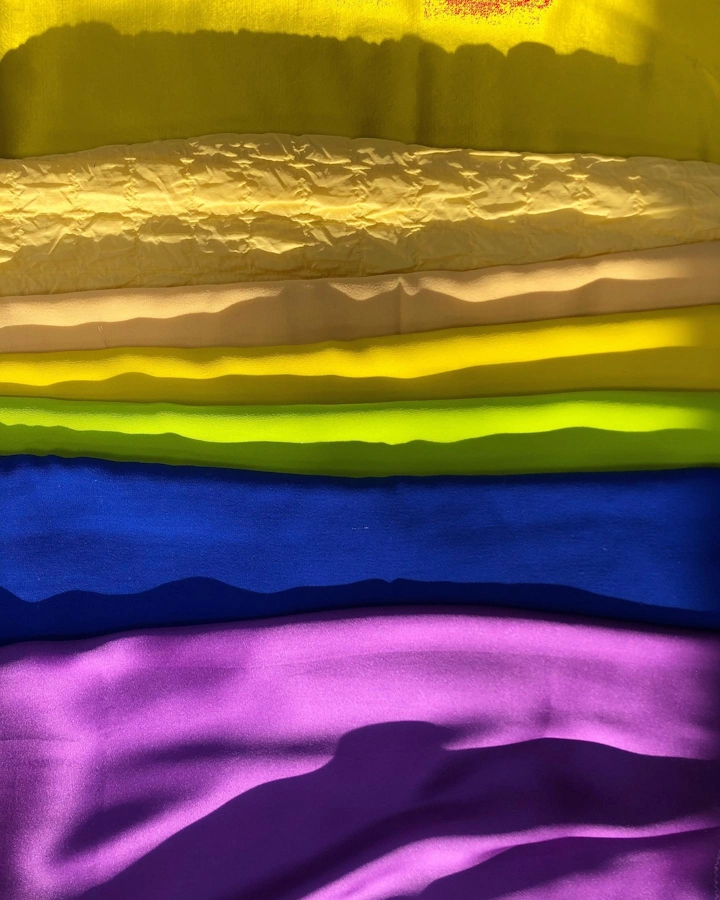
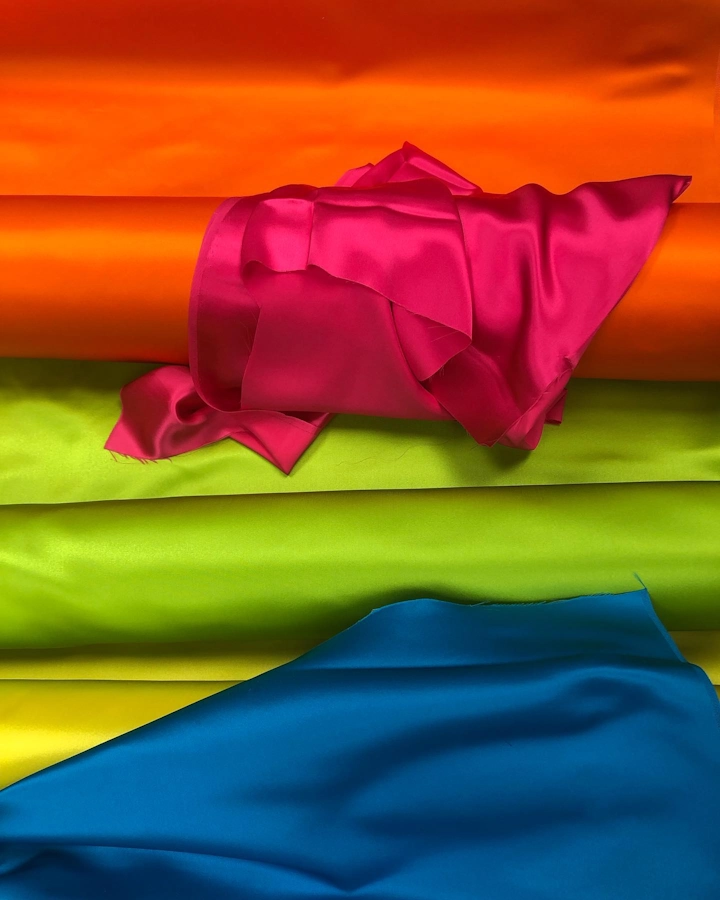
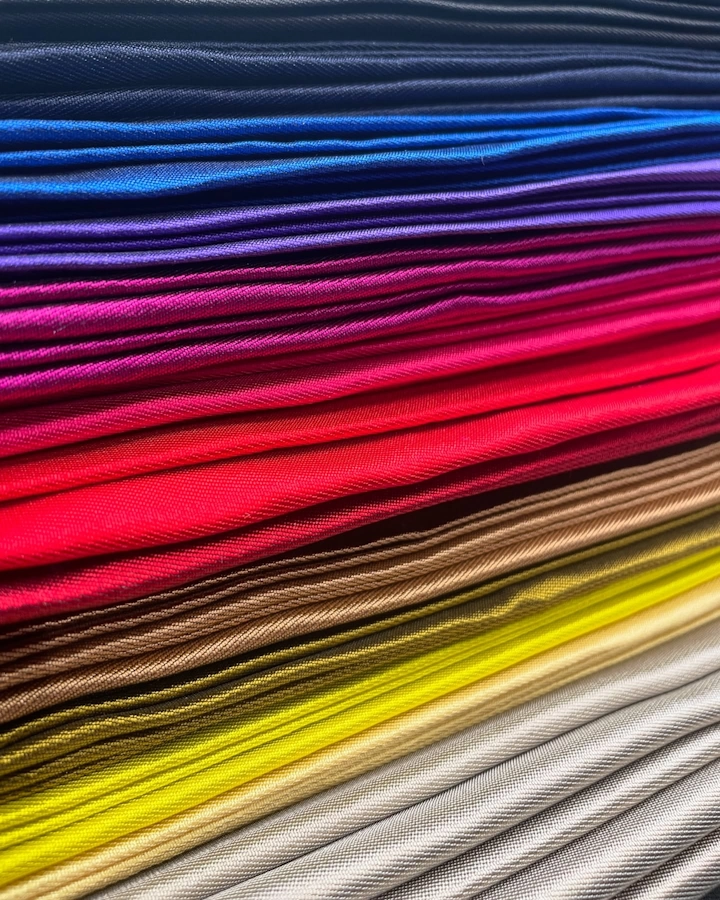
Today, Taroni silk continues to speak, above all, the language of fashion. But that is not all. The company also brings its expertise to the worlds of design and interior design, exploring new possibilities for a material that seems never to have stopped reinventing itself.
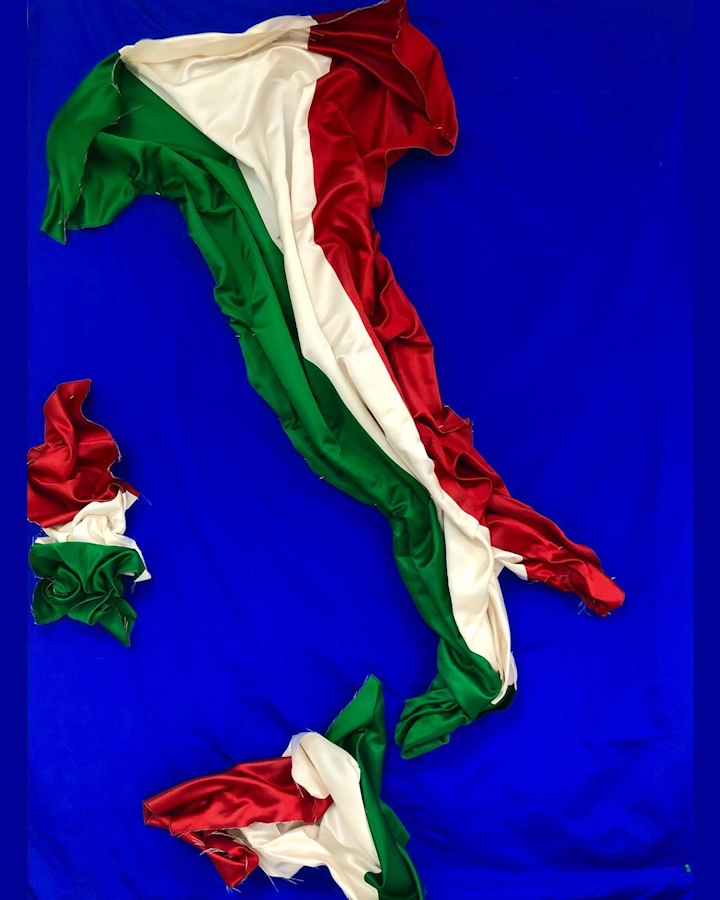
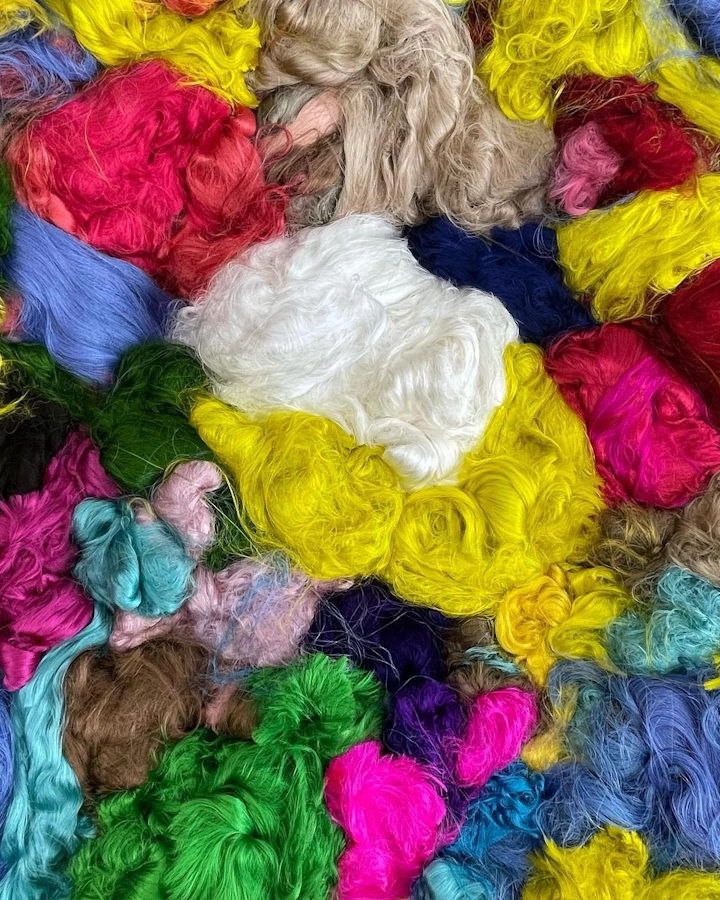
2021 also saw the acquisition of STIL Srl, a Como-based company specialising in textile printing. This marks a further step in building a strategy designed to bring together different areas of expertise and strengthen control over the supply chain.
A new generation at the loom
Today, the Taroni silk mill looks to the future with Maximilian Canepa, Michele’s son, who serves as CEO and creative director. Having grown up in the United States, where he studied art and photography, Maximilian joined the family business in 2013, learning the trade by starting in the most hands-on roles before eventually taking the helm.
With a history stretching back over 140 years, Taroni is now regarded as the oldest silk weaving mill still in operation in Como and boasts a client portfolio of over 600 customers worldwide, including the leading international haute couture and prêt-à-porter fashion houses.
Congratulations to those who bring the excellence of Made in Italy fabrics to Hollywood and the rest of the world!
Discover more Italian excellence in the world of fashion and textiles.