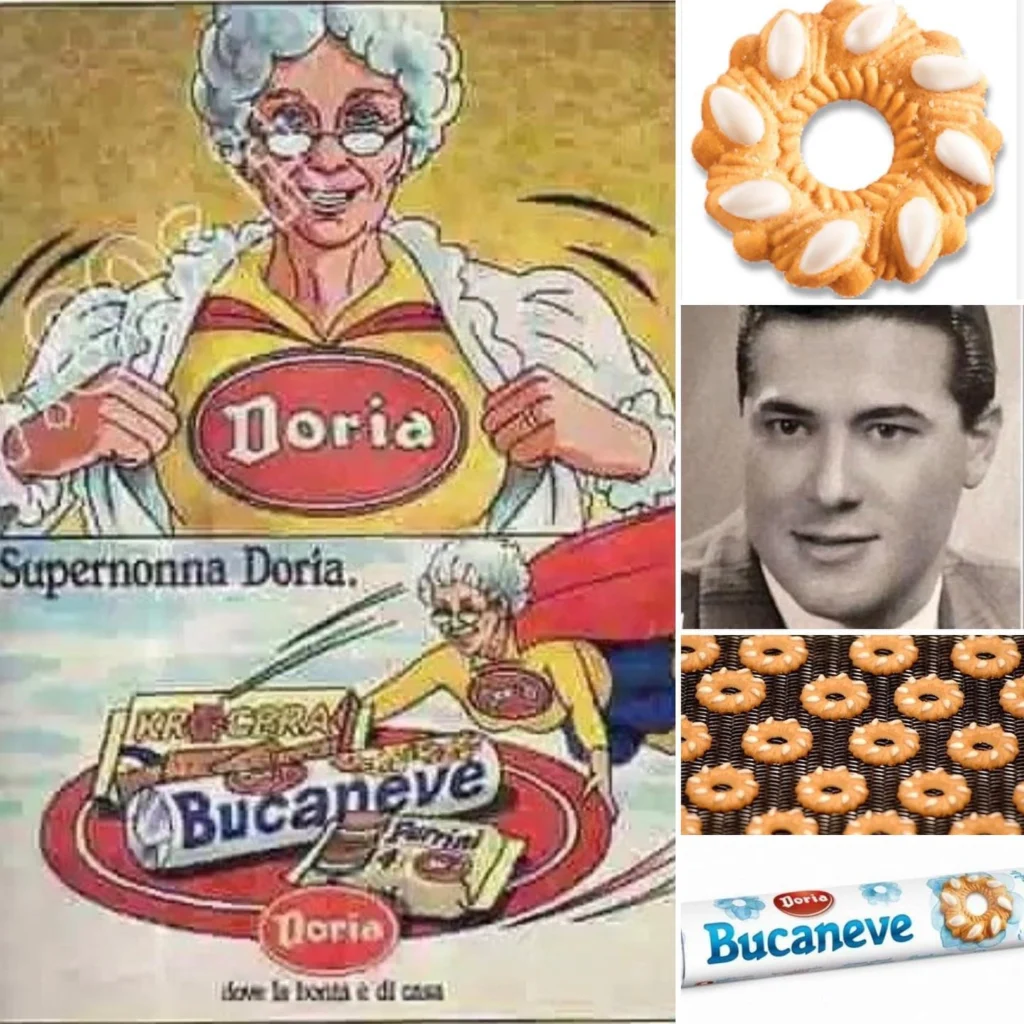

Sometimes products come into being before the company itself, such as the legendary Bucaneve biscuit – a world-famous Italian shortbread – which first came off the production line eight years before Doria was even founded! Behind the Bucaneve – which has become a true symbol of the Italian breakfast and afternoon snack – lies the story of a Venetian family and a small village bakery, which, within the space of a few generations, grew to become one of the country’s best-known biscuit manufacturers.
Translated with DeepL.com (free version)
A bakery in the Treviso hills
The origins of Doria date back to the late 19th century, in Sarmede, in the Treviso hills, where Alessandro Zanin ran a bakery producing bread. Alessandro’s son, Ugo, expanded the business and, thanks to his wife Antonietta, an expert pastry chef, began producing sweet treats as well, thus combining sweet and savoury offerings – a combination that would forever characterise the brand. The company continued to bake bread and biscuits non-stop, even during the world wars; in the 1940s, the business expanded and Ugo’s sons, Gastone and Giorgio, joined the company.
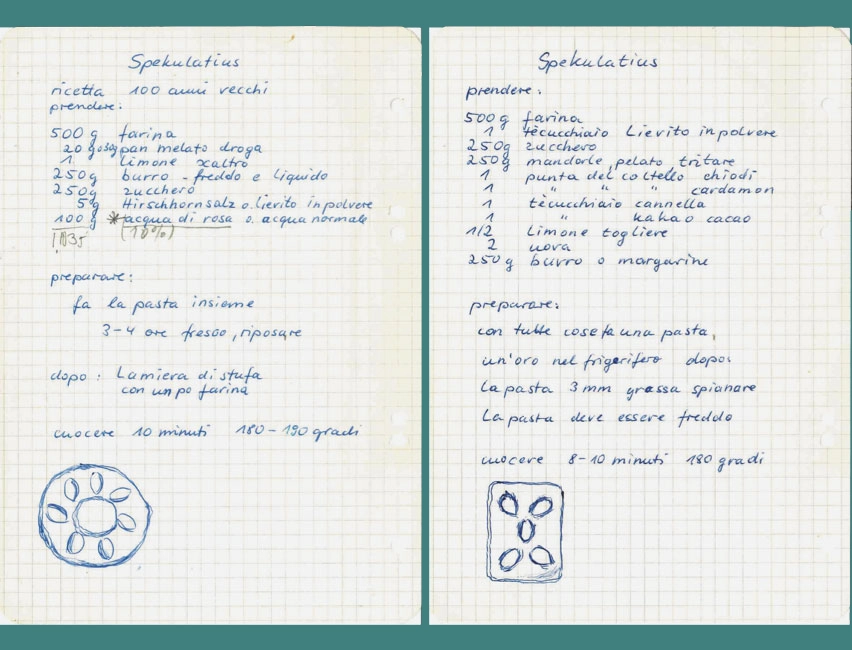
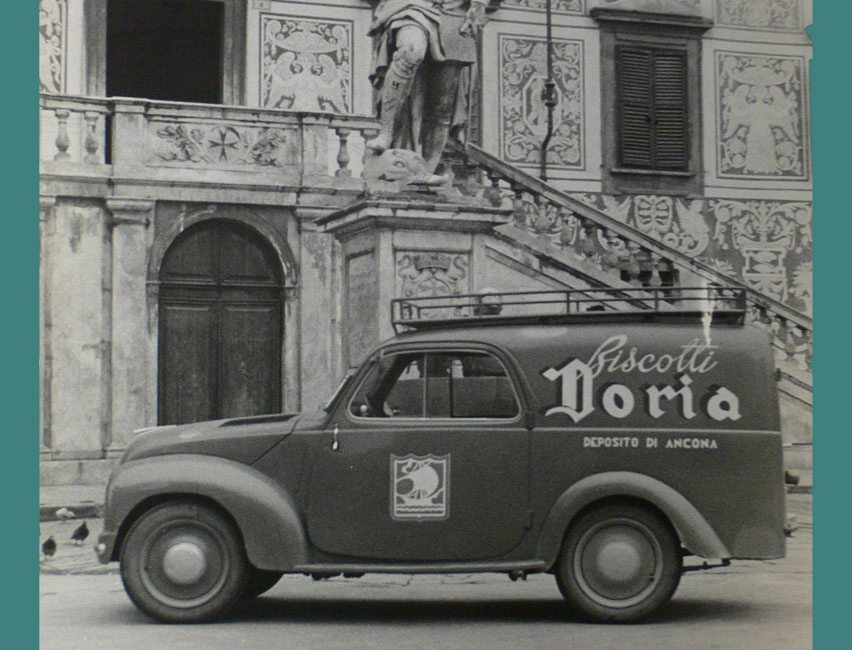
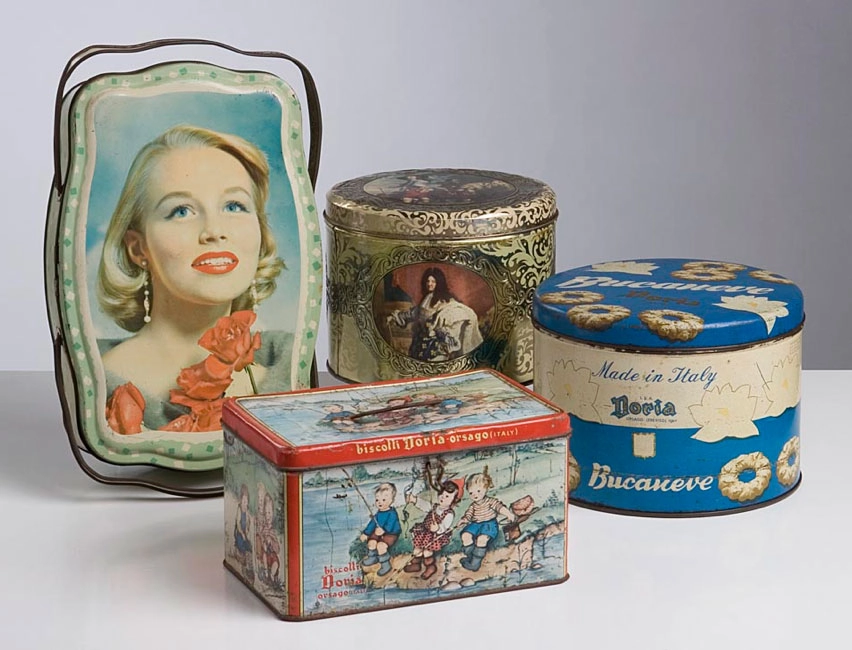
The origins of Bucaneve and the Doria brand
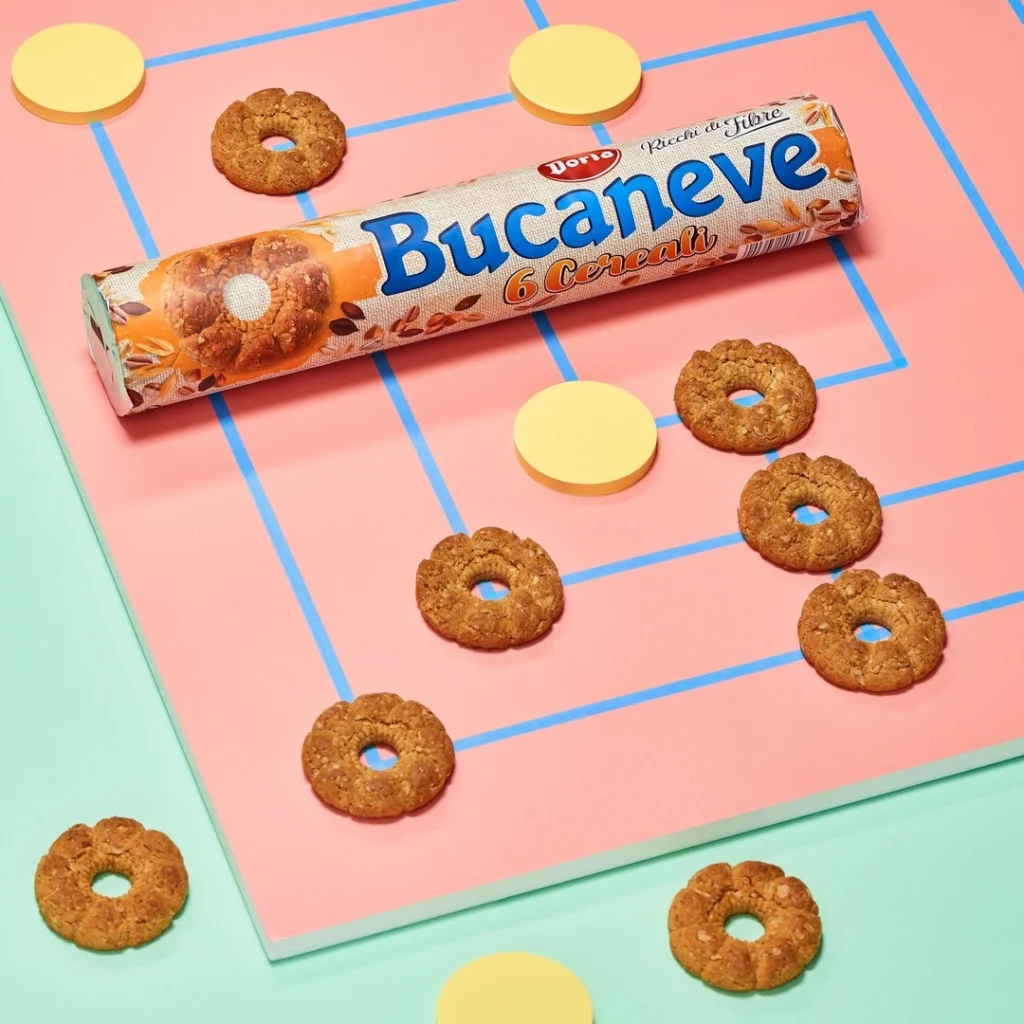
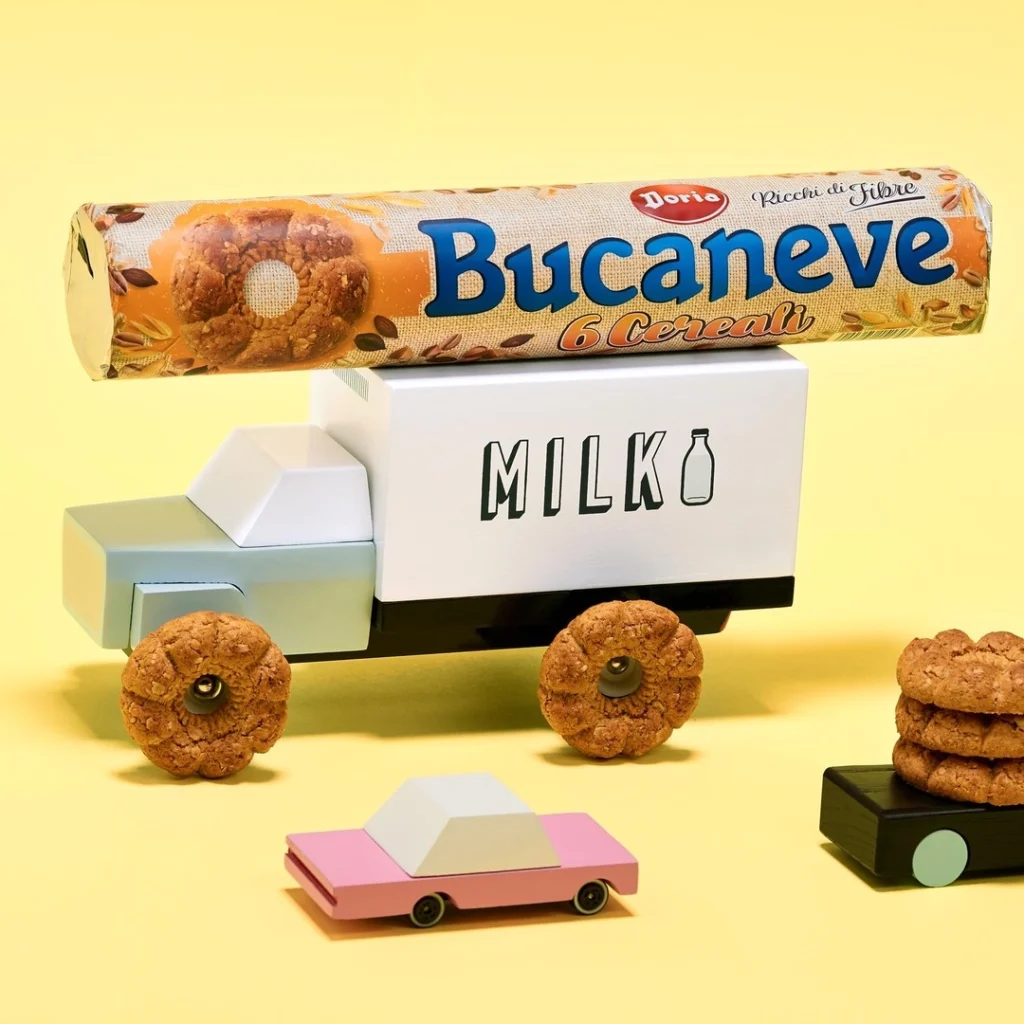
1950 was a pivotal year in the company’s history: it was the year Bucaneve was launched – a biscuit with a delicate flavour, featuring drops of icing and a hole in the centre. This biscuit has remained a hit to this day. An interesting fact: Bucaneve was the first shortbread biscuit to be packaged in a tube!!
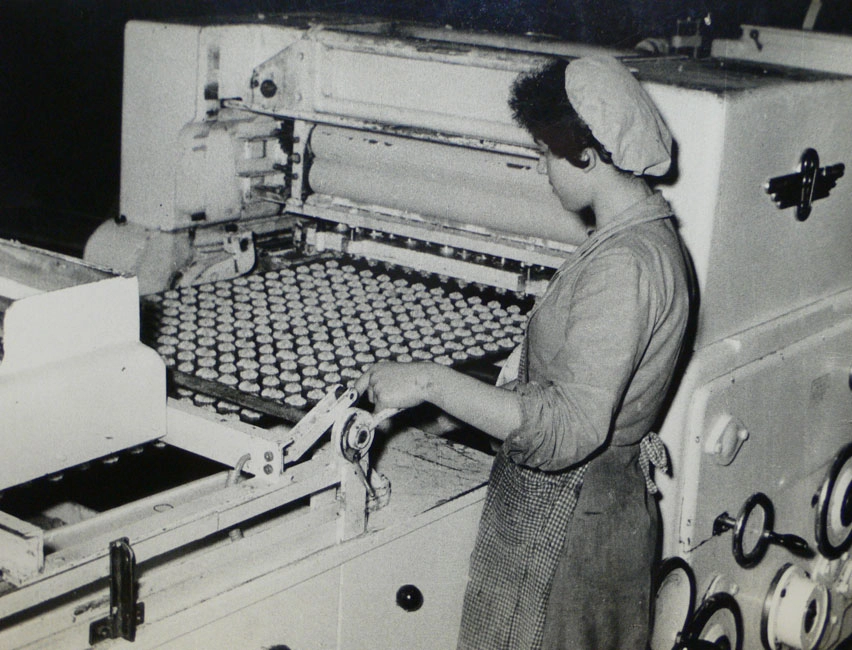
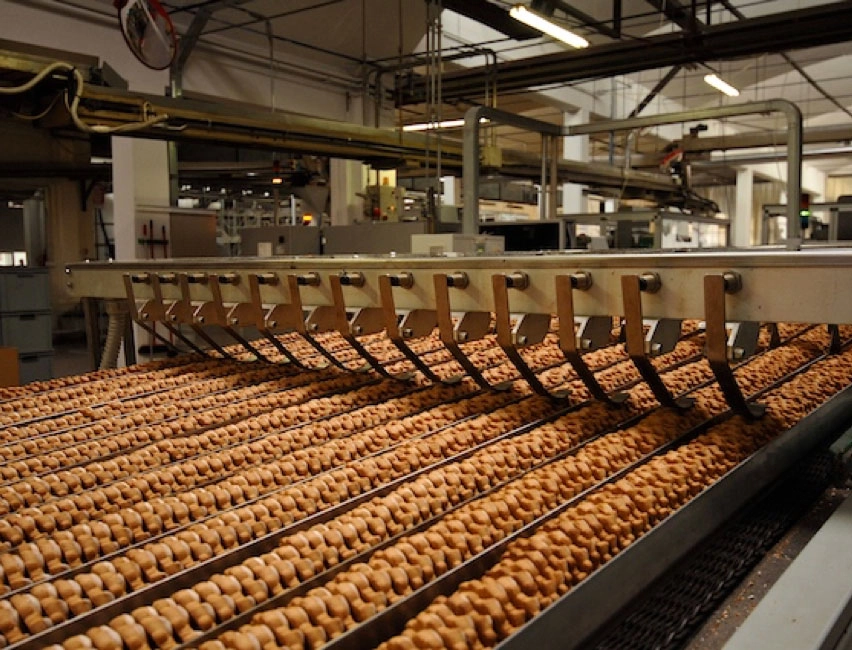
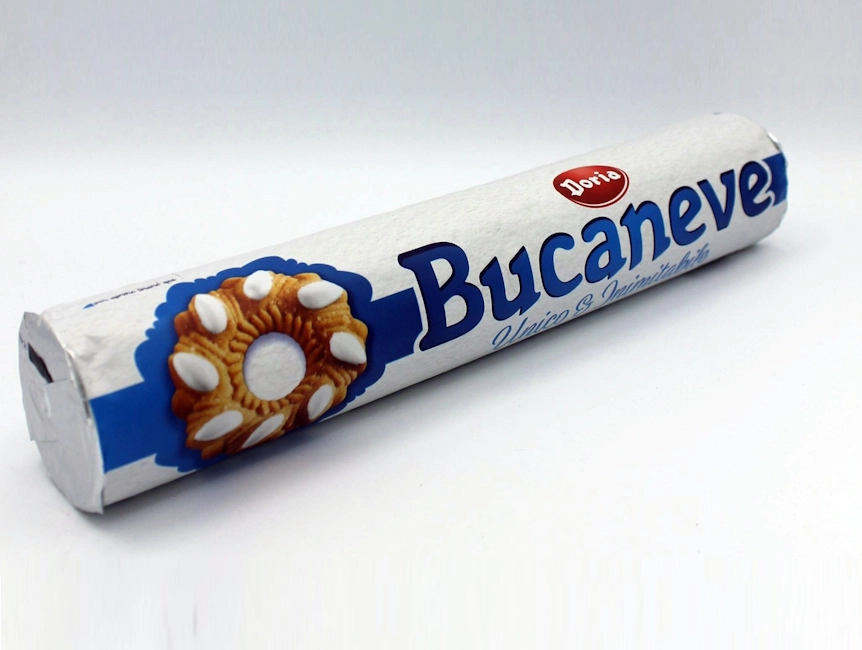
The company’s name, however, came a few years later, and its origin is one of the most intriguing stories in the history of Italian food production. The brand was officially established in 1958 following a meeting between Ugo Zanin and René Italo Ricolfi Doria, a biscuit manufacturer (and father of Marina Doria, wife of Vittorio Emanuele di Savoia, son of the last King of Italy). The Zanin family took an immediate liking to the name because it evoked the ancient and prestigious Genoese family, conveying a sense of quality and tradition. The company expanded and opened its factory in Orsago (TV), which today covers an area of no less than 270,000 square metres.
The golden years of Carosello
The 1950s and 1960s were a boom period for Doria. Thanks to the huge success of Bucaneve, the company consolidated its position in the domestic market and expanded its sales internationally. During this period, the brand was also promoted through extensive use of television commercials.
It was the golden age of “Carosello“, and Doria became one of its undisputed stars: the adverts for Bucaneve biscuits, such as the famous ‘Tacabanda’, are little masterpieces of animation that have become an enduring part of the collective memory of Italians.
The generational transition and the sale to Bauli
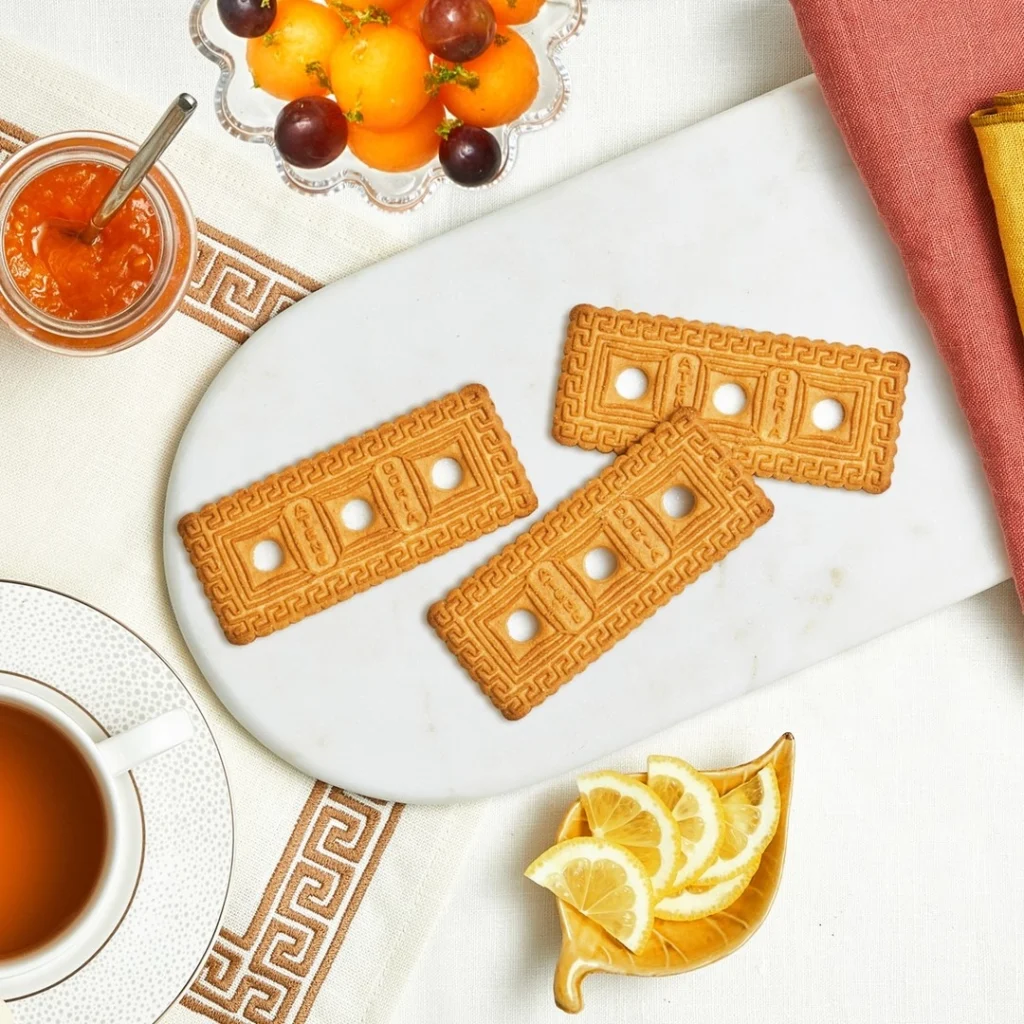
Over the decades, alongside the Bucaneve biscuits, other classics have been introduced, such as the Atene shortbread biscuits and savoury products, including Doriano crackers and Giambonetti snacks, which have significantly expanded the company’s range.
In the 1970s, ownership of the company was divided between the two brothers, Gastone and Giorgio, and their respective sons, Enrico and Ugo, also joined the business, reflecting the fact that it has remained firmly family-run for three generations.
However, changes in the market put even a well-established company like Doria under severe strain, and the third generation of the Zanin family found itself navigating a profoundly changed world in which Doria’s scale was no longer appropriate. And so, in 2006, Doria became part of the Bauli Group.
Doria today: tradition and simplicity
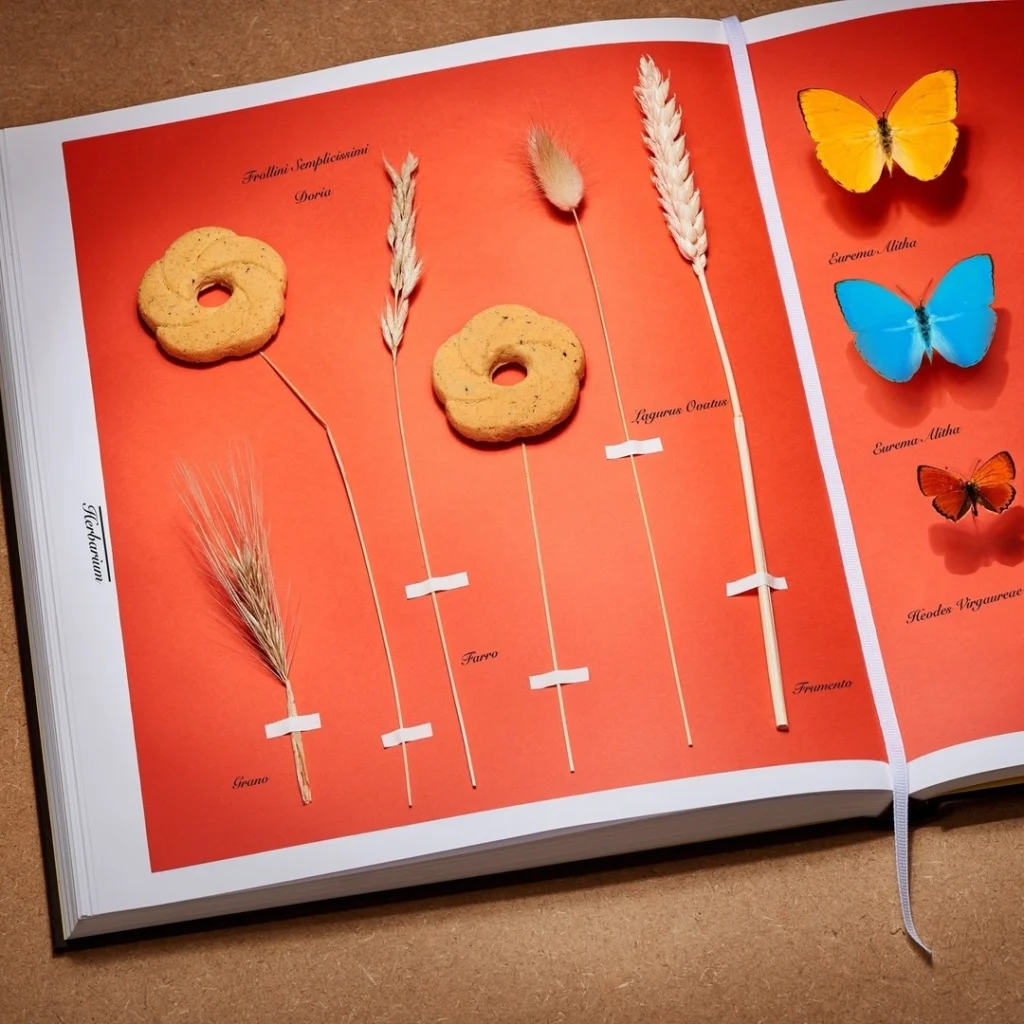
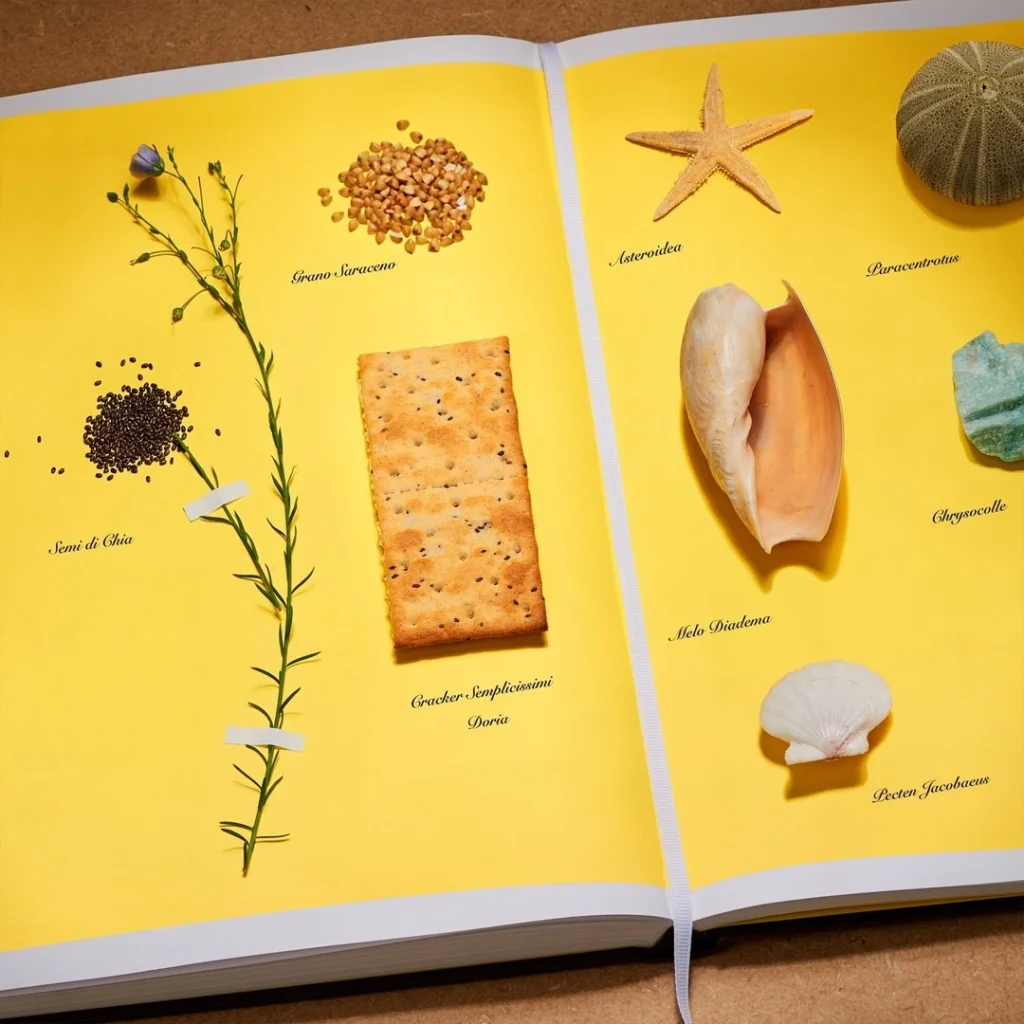
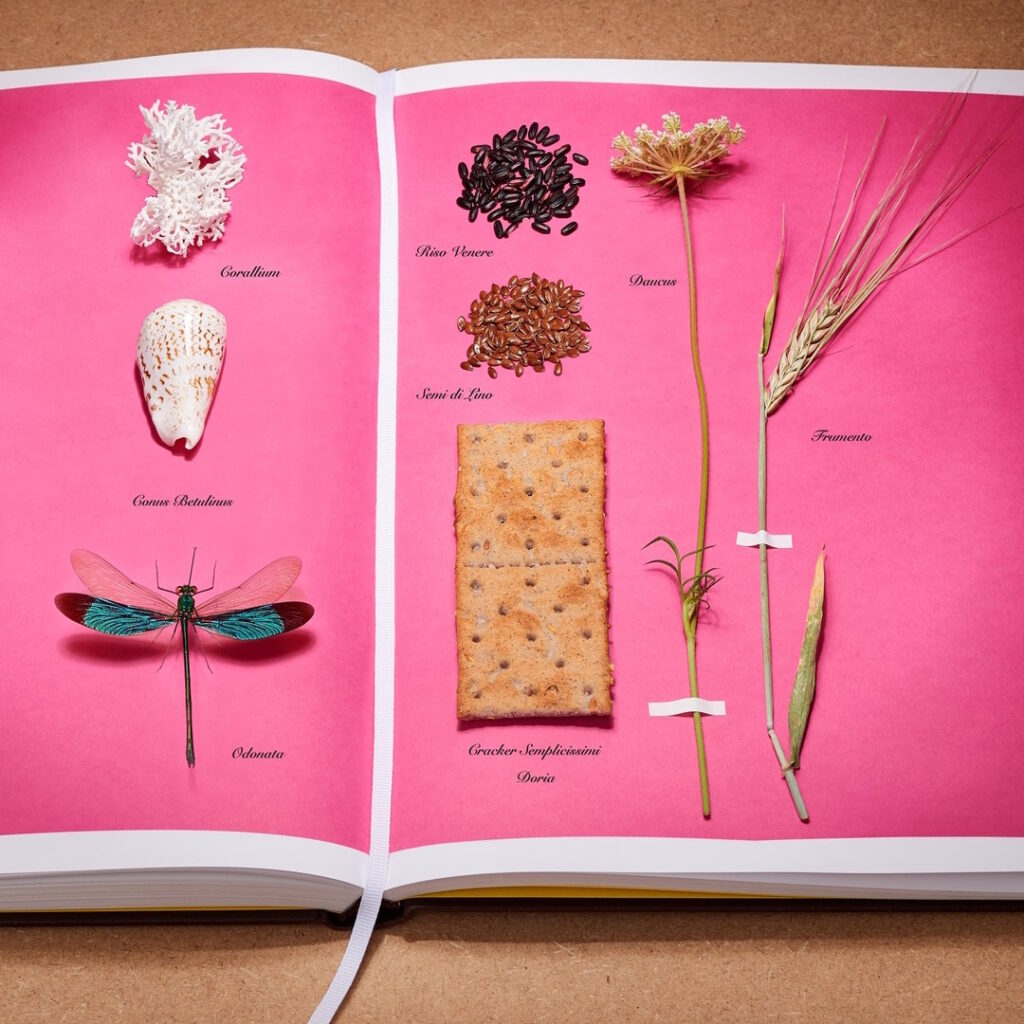
Since joining the Bauli Group, Doria has continued to preserve its identity and retain its original production site. It is an evocative brand, synonymous with tradition and elegance, which has managed to uphold its values over time: high quality, natural ingredients and meticulous attention to the product. And simplicity, which has always been at the heart of Doria, is now embodied in a range of products – the ‘Semplicissimi’ – made with just a few 100 per cent natural ingredients, accompanied by an invitation to everyone to ‘return to simplicity’.
Well done to everyone who brings the flavours of Italy to the world!
Learn about other oustanding companies from the Veneto region.