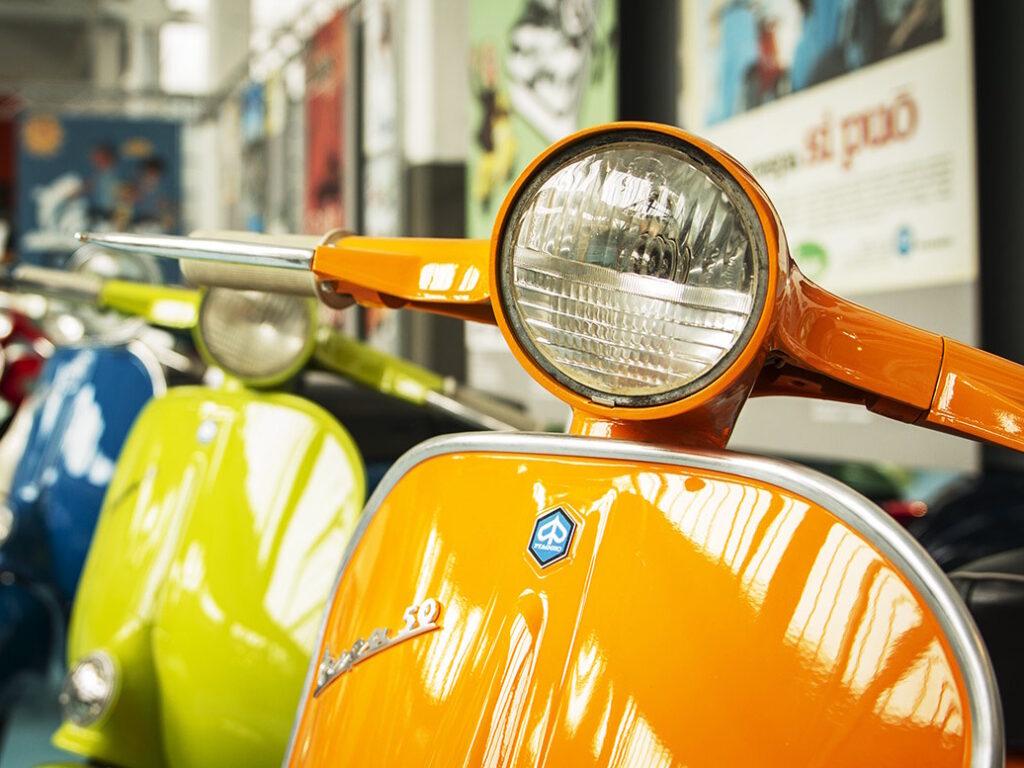

It was 1946 when Enrico Piaggio exclaimed, “It sounds like a wasp!” upon hearing the hum of the engine of what is the world’s most famous, longest-running and best-selling (19 million) scooter: the legendary Vespa!
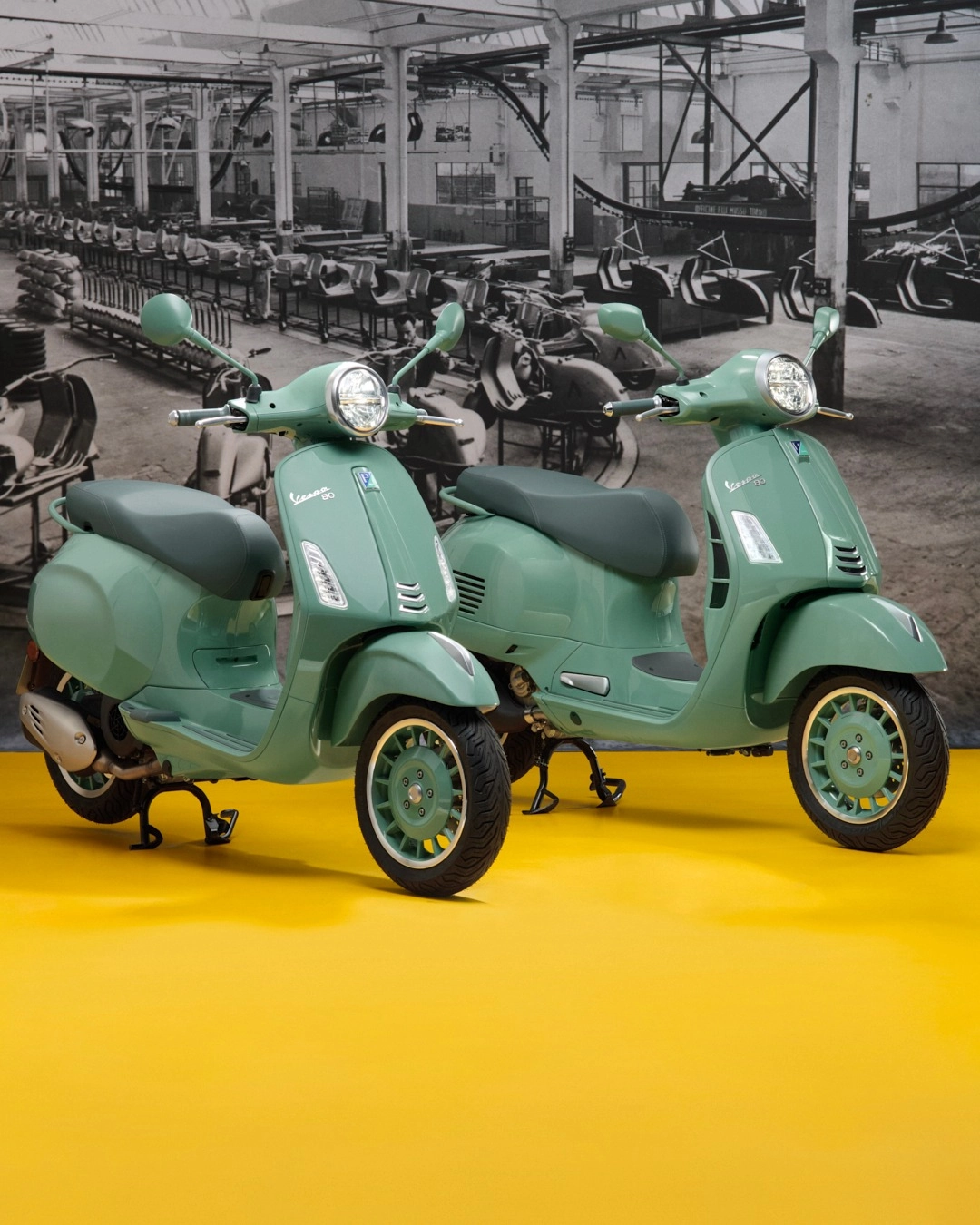
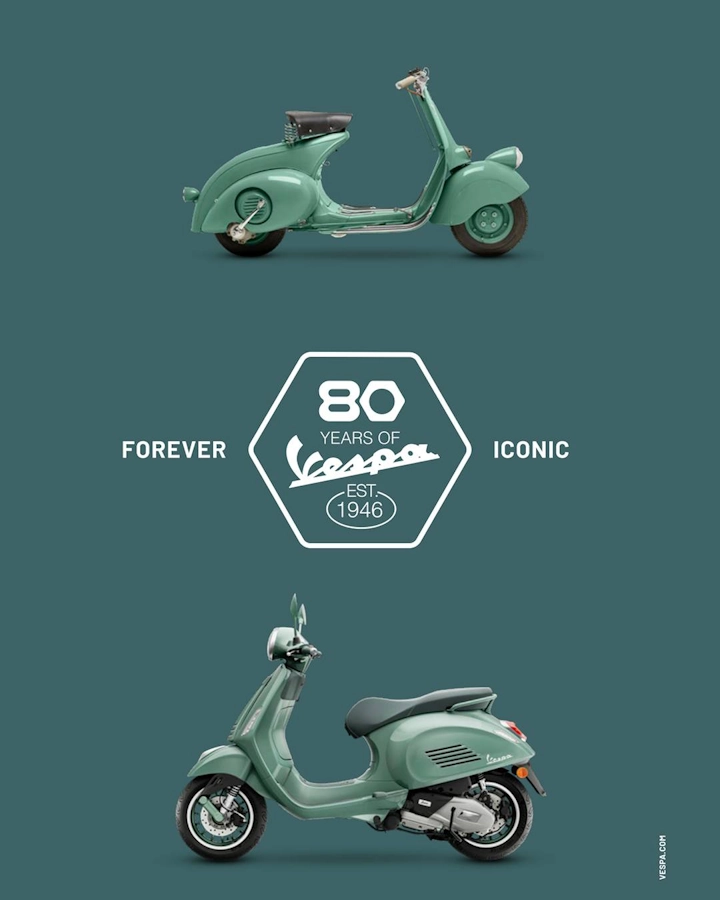
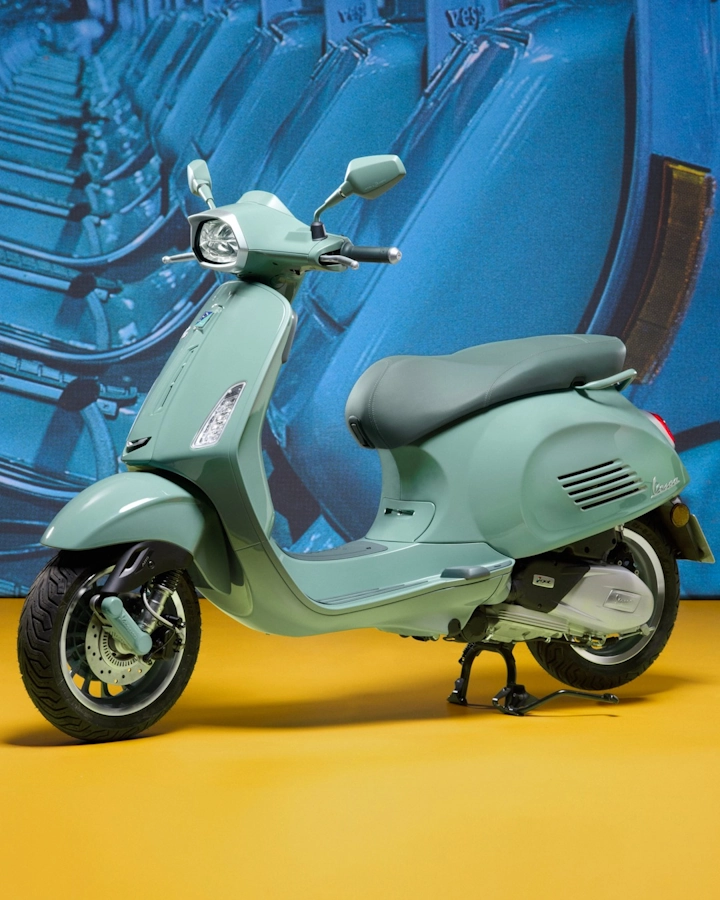
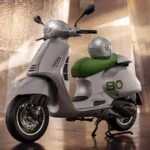
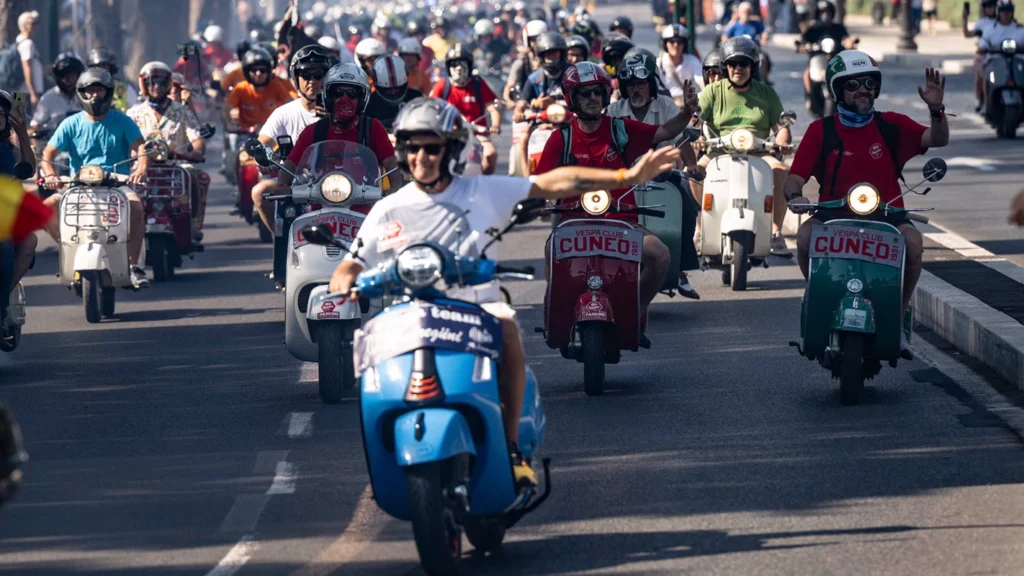
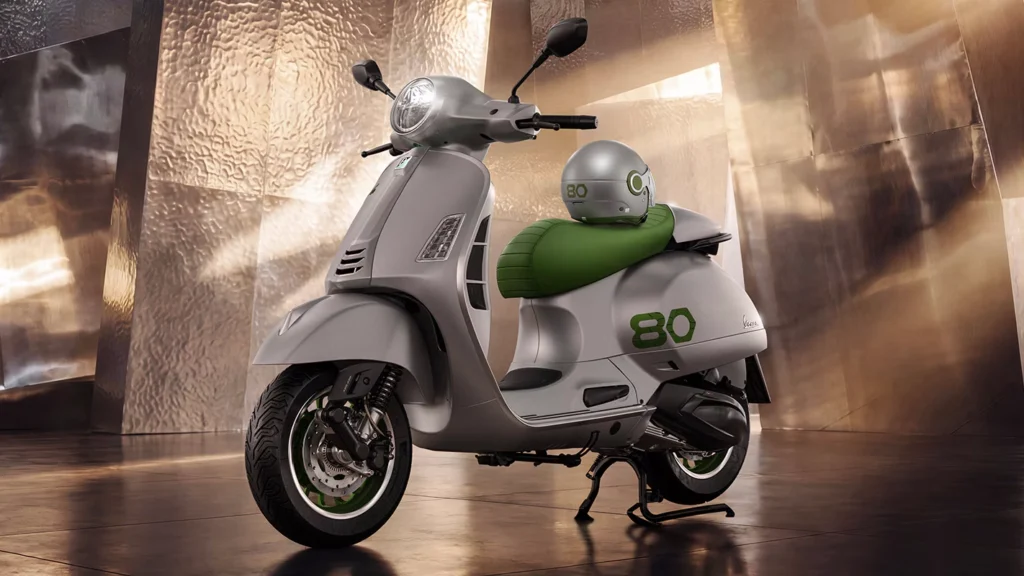
Eighty years have passed since then, and to celebrate this historic anniversary, an international gathering was held in Rome in June, while Piaggio produced a special edition of the Vespa Primavera and Vespa GTS 80th, along with a collection of dedicated clothing and accessories.
Do you know the story behind the creation of this Made in Italy icon? Let’s find out together.
From Sestri Ponente to modern industry
Piaggio’s history began in 1884, when 20-year-old Rinaldo Piaggio founded a company in Sestri Levante, near Genoa, which produced furniture and supplies for the shipbuilding industry. Soon, however, the Ligurian entrepreneur’s resourcefulness led the company to diversify its production, moving into sectors strategic for Italy at the time: railway carriages, marine engines, and, with the outbreak of the First World War, military aircraft.
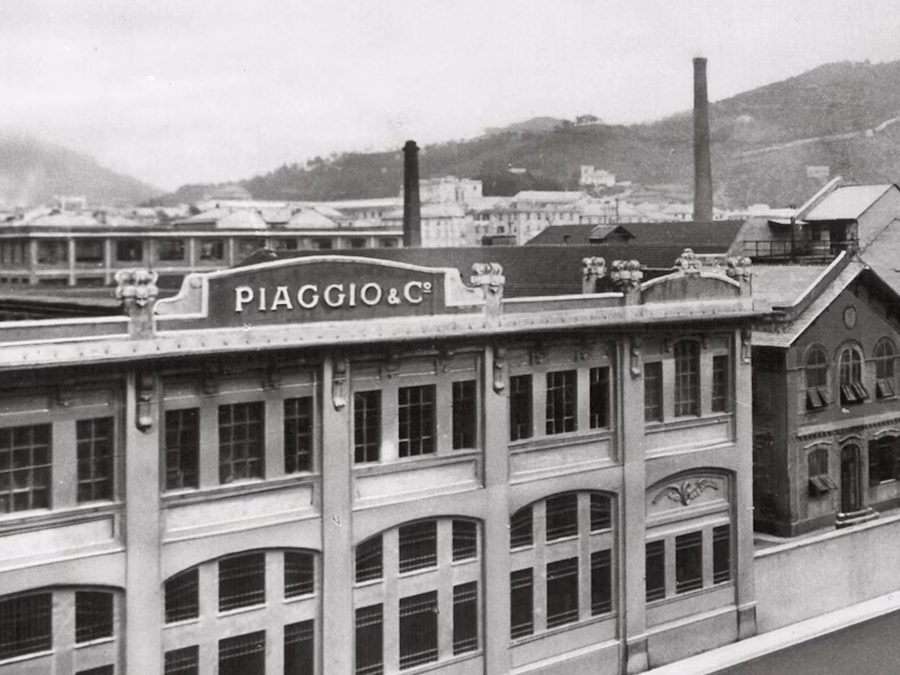
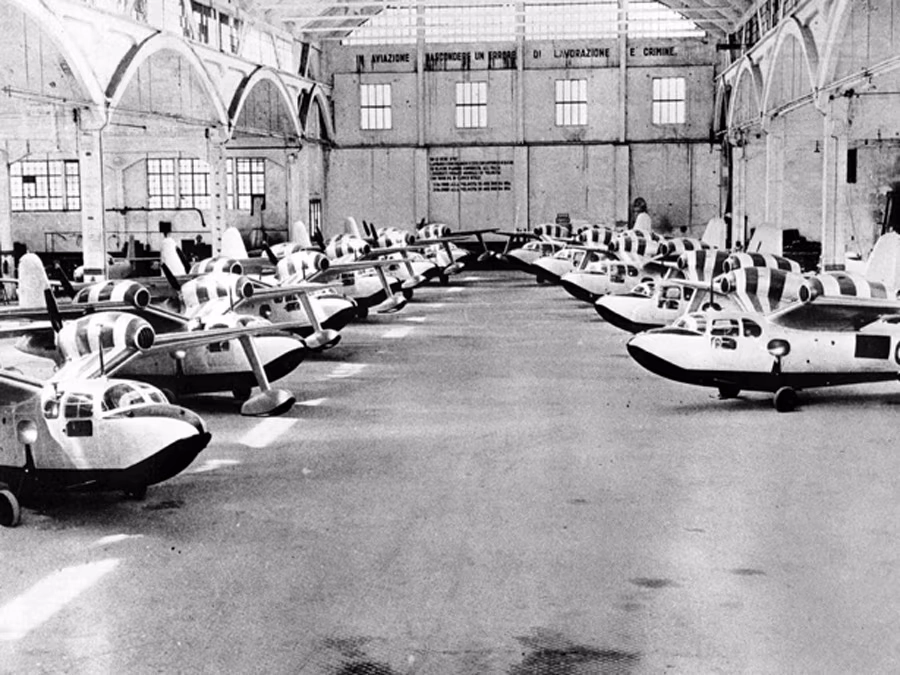
In the 1920s and 1930s, Piaggio became one of Italy’s leading aircraft manufacturers, with factories in Finale Ligure, Pisa, and Pontedera. The Pontedera factory in particular became the company’s beating heart; the group’s headquarters are still there today. In 1938, after Rinaldo’s death, the company went to his sons, Armando and Enrico.
Vespa, the Italian icon that has conquered the world
After the war, Enrico Piaggio realised that Italy needed a new form of transport. He envisaged a simple, economical and accessible vehicle capable of driving the country’s motorisation. To bring this vision to life, he enlisted the help of Corradino d’Ascanio, an aeronautical designer – who was also responsible for the design of the first man-piloted helicopter in history – who applied innovative solutions and a functional approach to personal mobility, breaking away from traditional motorcycle design conventions. Thus the Vespa was born: a scooter with an unmistakable silhouette that immediately became a cultural phenomenon, a symbol of Italy’s rebirth and, in the years that followed, a star of international cinema.
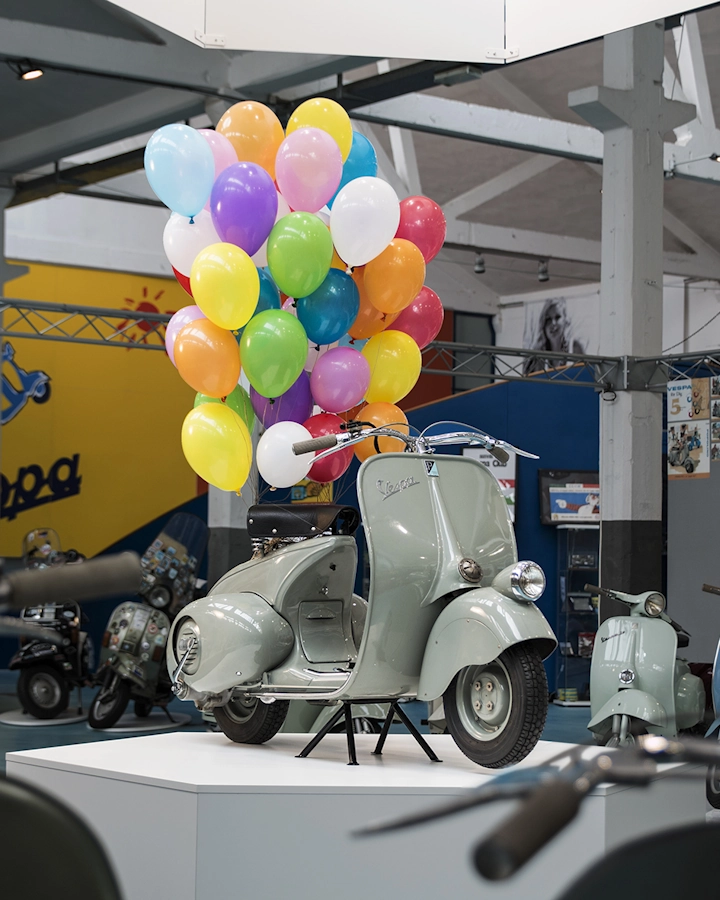
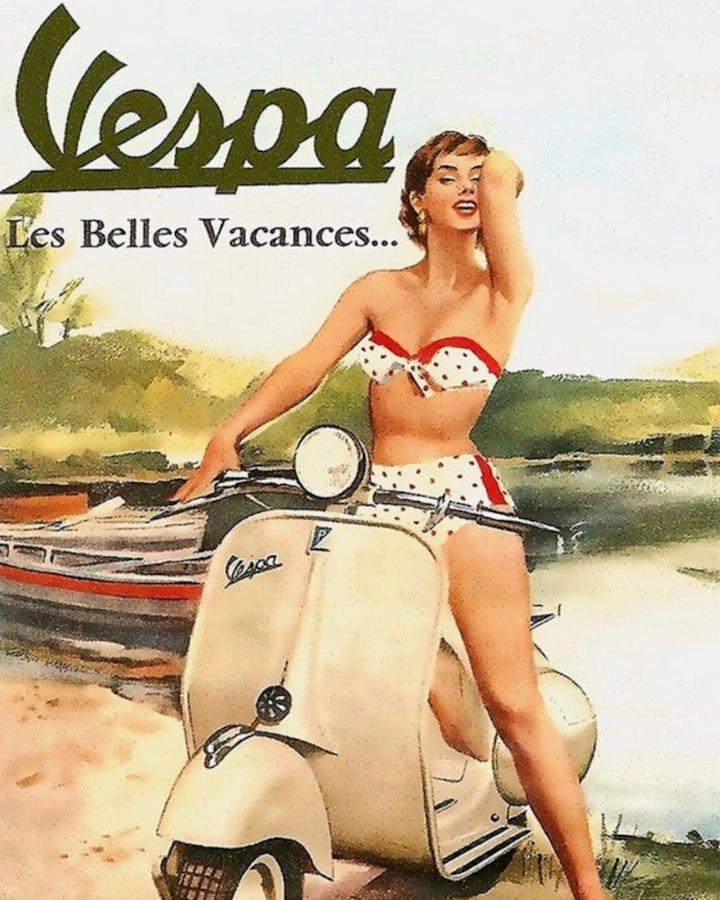
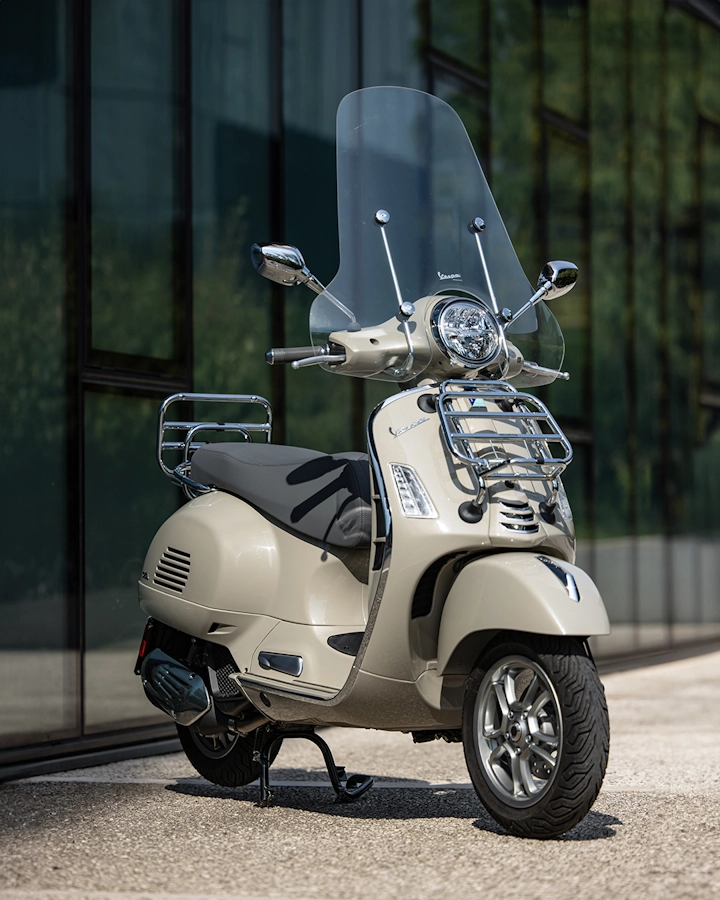
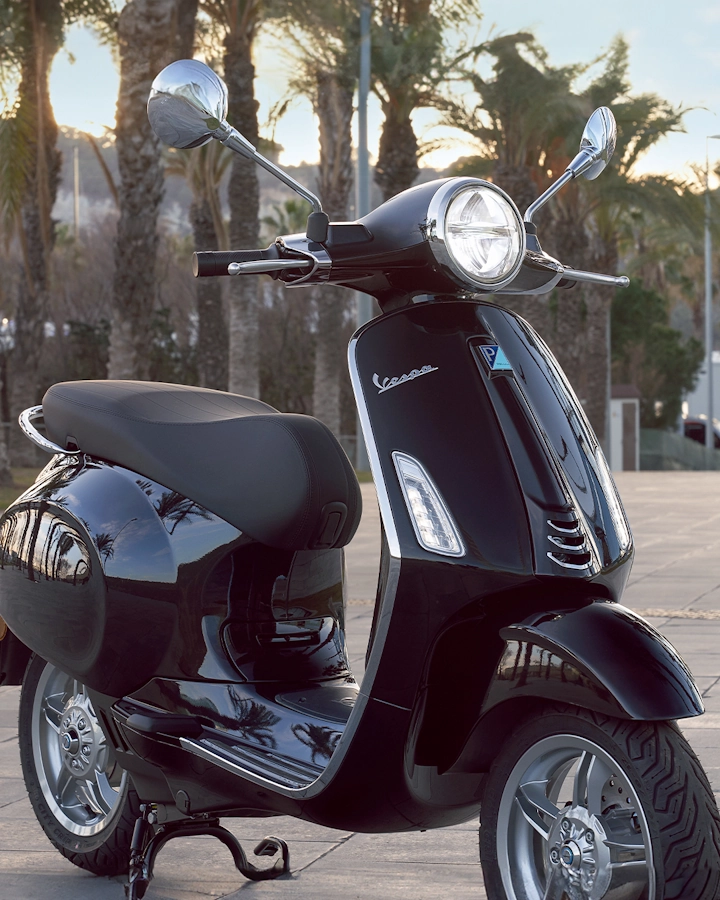
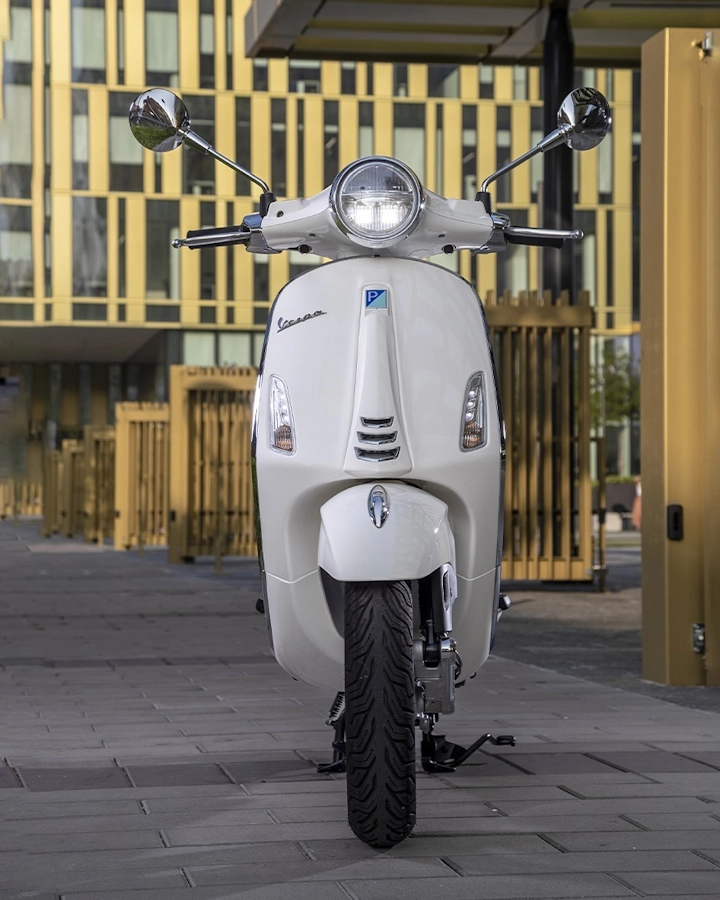
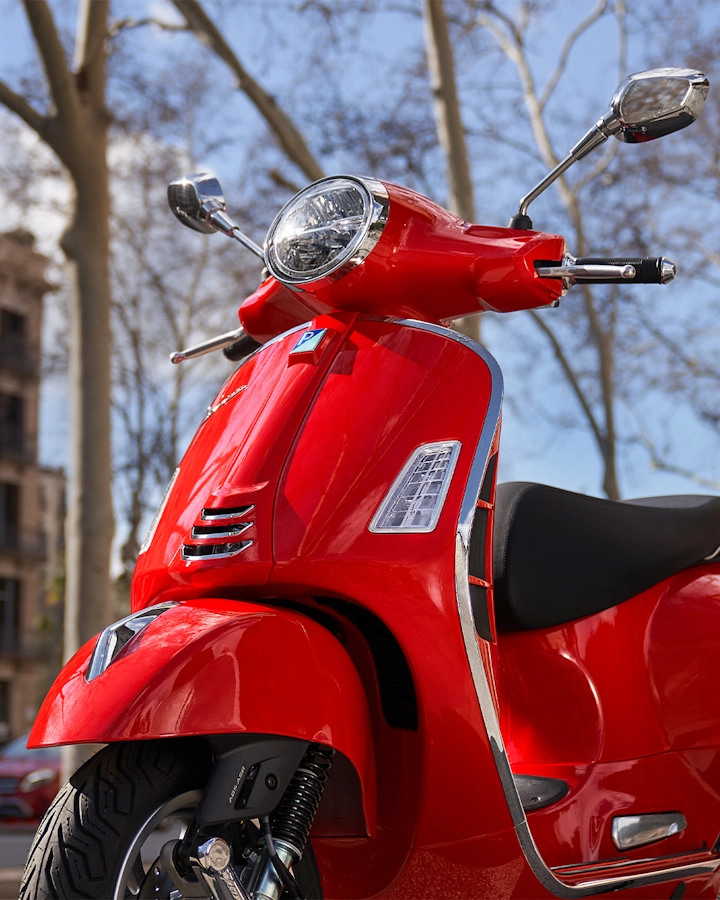
From that moment on, the Vespa became one of the finest examples of Made in Italy design, exported and loved worldwide, from the United States to Japan, and eventually becoming part of the permanent collections of museums such as the MoMA in New York. Within 10 years, they produced around one million units, and by the early 1950s the Vespa was also being manufactured abroad.
Ape, Ciao and new ideas for mobility
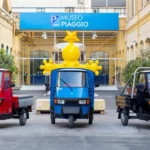
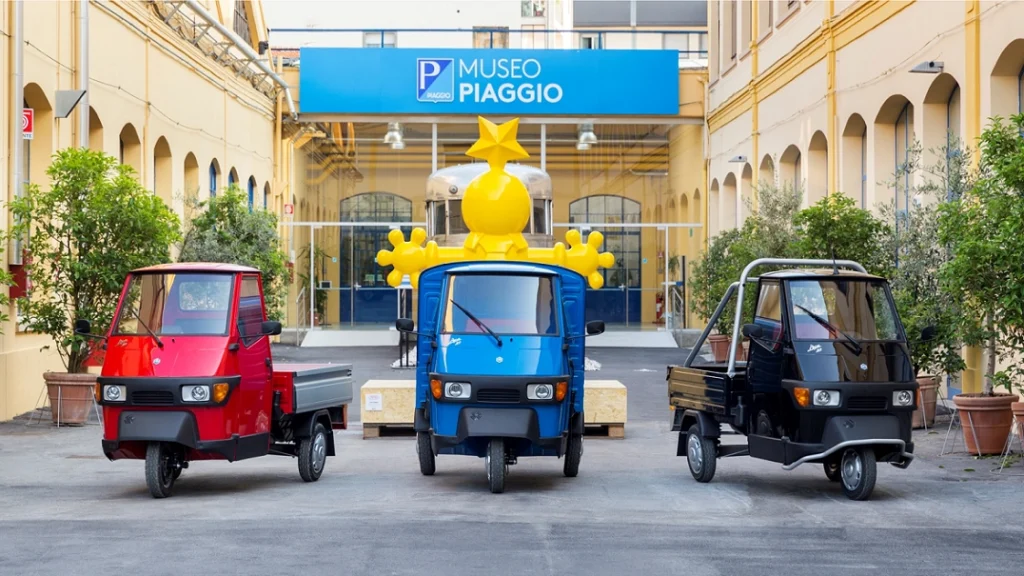
Piaggio’s capacity for innovation does not end with the Vespa. In 1947, the Ape was launched – the famous three-wheeled commercial vehicle born of an idea by D’Ascanio himself. Compact and versatile, it quickly became an essential tool for Italian artisans and traders, contributing to the country’s economic reconstruction.
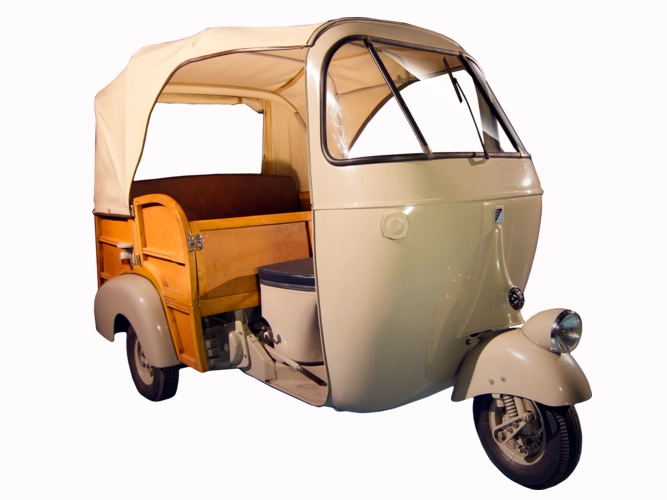
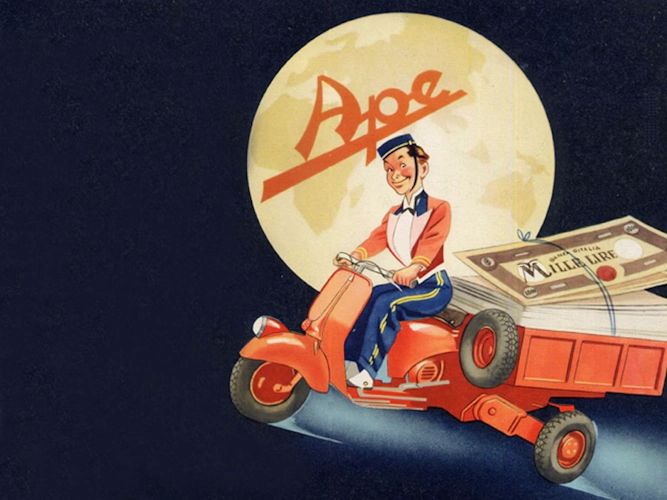
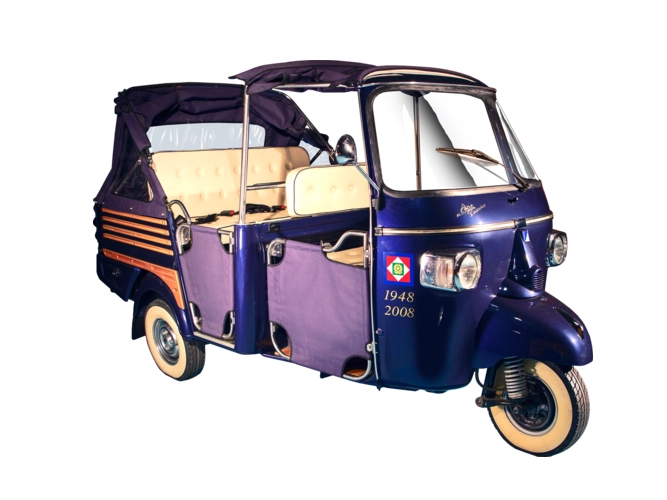
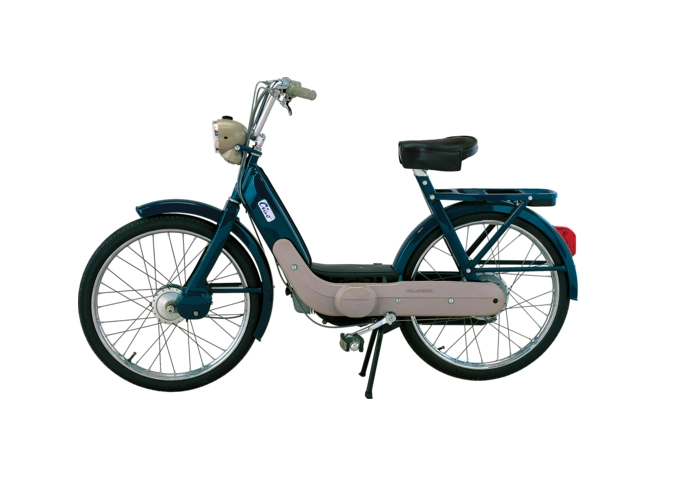
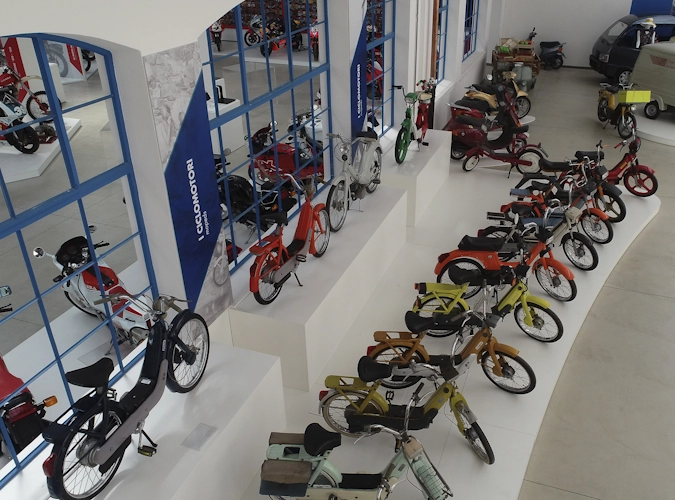
The 1960s saw the arrival of the Ciao: launched in 1967, it became one of the most iconic mopeds of its era. Other successful models followed, confirming Piaggio’s ability to understand different generations’ needs.
In the years that followed, Piaggio continued to grow through strategic acquisitions that strengthened its presence in the two-wheeler market. Historic brands such as Gilera, Moto Guzzi, Aprilia, and Derbi joined the Piaggio family, establishing the company as Europe’s leading motorcycle group and one of the most important in the world.
Piaggio today: innovation, sustainability and Made in Italy around the world
Controlled by IMMSI S.p.A. since 2003, the Piaggio Group is now a publicly listed industrial giant, with production facilities in Italy, India and Vietnam and a commercial presence in over 50 countries. Despite its international expansion, the company has kept the beating heart of its design and engineering operations at its historic plant in Pontedera, where past and future coexist: here, Italian craftsmanship meets the very latest production technologies, from low-emission engines to electric vehicles.

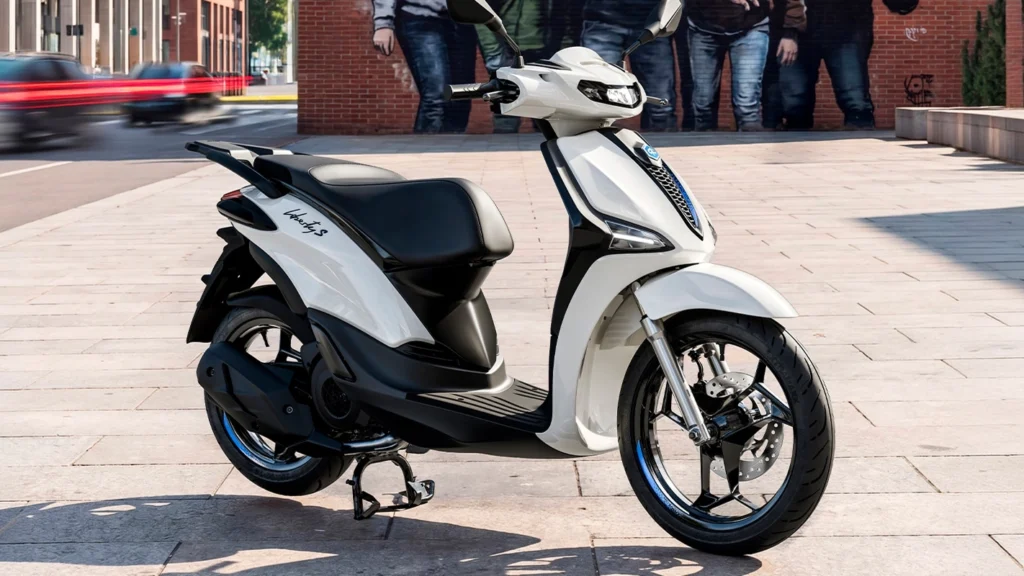
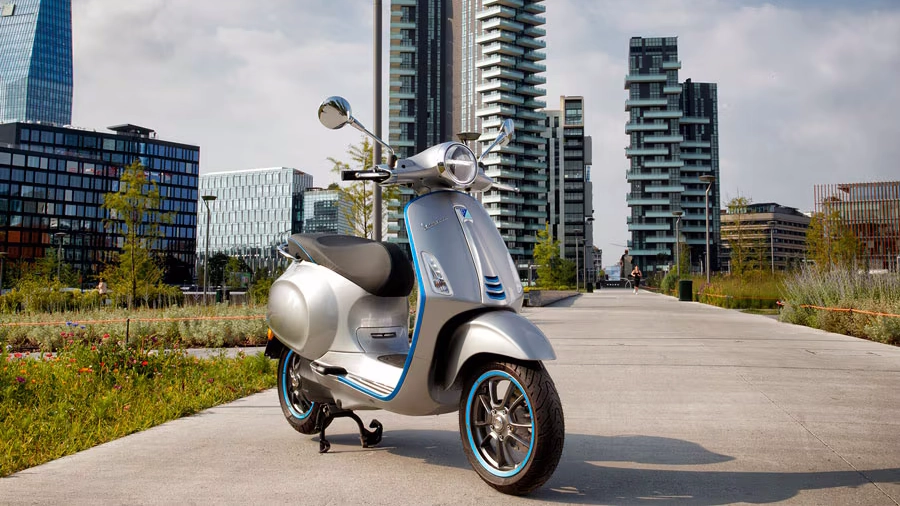
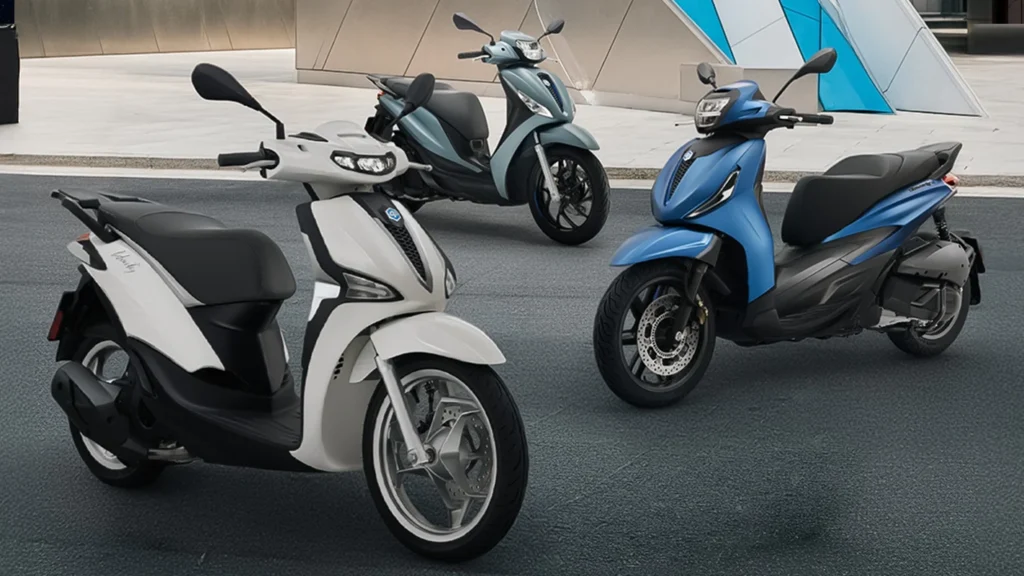
In recent years, Piaggio has invested heavily in innovation and sustainability, developing electric ranges for urban mobility and continuing to focus on design as a distinguishing feature, in keeping with the philosophy that has made the brand great since the 1950s.
Congratulations to those who bring ‘Made in Italy’ technology and design to the world.
Discover the stories of other Italian leaders in the automotive sector.